
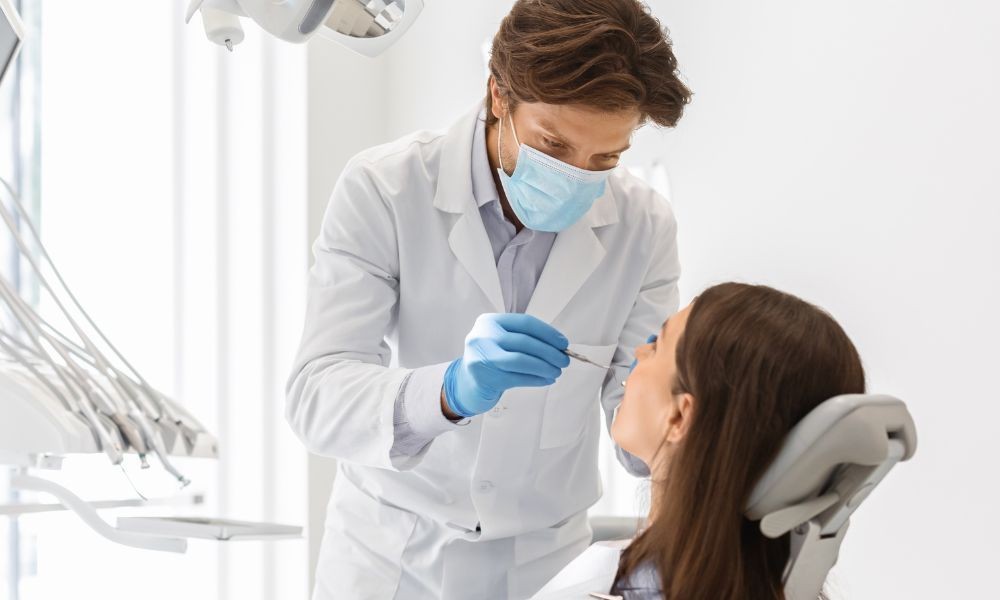
Dental care is not limited to brushing and occasional check-ups. It involves a complete approach that includes prevention, treatment, and continuous care to maintain a healthy mouth. Modern dental clinics play an important role in helping patients protect their teeth while also providing solutions when orthodontist problems arise.
The Role of Preventive Care
Preventive care is the first step in maintaining good oral health. It focuses on avoiding dental problems before they begin. Daily habits like brushing with fluoride toothpaste, flossing, and using mouthwash help remove plaque and protect teeth from decay. These simple practices form the base of strong oral hygiene.
Regular dental visits are equally important. Dentists usually recommend check-ups every six months. During these visits, professionals clean areas that are difficult to reach at home and remove tartar buildup. They also check for early signs of cavities, gum disease, or other issues. Detecting problems early helps avoid pain, complicated treatments, and higher costs later.
Restorative Care for Dental Problems
Even with proper care, dental issues can still occur. Restorative care focuses on repairing and replacing damaged or missing teeth. One of the most common treatments is a dental filling, which is used to fix cavities and restore the tooth’s structure.
For more serious damage, crowns are used to cover and protect weak teeth. Root canal treatment is another important procedure that helps save a tooth when the inner part becomes infected. This treatment removes the infection and seals the tooth, preventing further damage.
Gum treatments are also essential in restorative care. Early-stage gum problems can often be reversed with cleaning and improved hygiene. Advanced cases may require deeper cleaning procedures or other treatments to restore gum health.
When teeth are lost, dental clinics provide replacement options such as bridges, dentures, or implants. These solutions restore the ability to chew and speak properly while also improving appearance and confidence.
Use of Modern Technology
Dental clinics today use advanced technology to improve both preventive and restorative care. Digital X-rays, scanners, and imaging tools help dentists diagnose problems accurately and plan treatments effectively. These tools also make procedures faster and more comfortable for patients.
New techniques, such as laser treatments, allow for more precise procedures with less discomfort and quicker recovery. These advancements make dental care more efficient and less stressful.
Connection Between Oral and Overall Health
Oral health is closely connected to overall health. Poor dental hygiene can lead to problems like infections and inflammation, which may affect other parts of the body. Conditions such as diabetes and heart issues are often connected to oral health problems.
Dental clinics help manage these risks by encouraging regular care and early treatment. They may also work with other healthcare professionals to ensure complete patient care.
Conclusion
Dental clinics play a vital role in supporting both preventive and restorative care. By focusing on early prevention, timely treatment, and modern techniques, they help patients maintain healthy teeth and gums. Regular visits, combined with good daily habits, ensure long-term oral health and contribute to overall well-being.

Comments are closed.