Author

Mary E. Daniel

Browsing

Orthodontics (จัดฟัน, which is the term in Thai) is a part of dentistry that deals with straightening teeth that aren’t lined up right. It is a common way for people of all ages, from kids to adults, to get better. Your teeth can look better and work better after you get orthodontic treatment. Straight teeth are easier to clean, which can help avoid cavities and gum disease. They can also fix your bite, making it easier to chew and lowering your risk of TMJ disease.

There are many different kinds of orthodontic devices, such as braces, clips, and clear aligners. The type of device that will work best for you will depend on how bad your misaligned teeth are and what you need.

Getting braces is usually a long process that can take 12 to 24 months. But the result is worth it. Straight teeth can make you feel better about yourself and improve your mouth health.

Advantages Of Orthodontic Care

  • Better look: Straight teeth look better than crooked teeth.
  • Straighter teeth are easier to clean, which can help keep cavities and gum disease at bay. They can also fix your bite, making it easier to chew and lowering your risk of TMJ disease.
  • People with orthodontic treatment feel better about their looks and have more self-confidence. It can lead to better relationships with other people and more job possibilities.

Different Kinds Of Orthodontic Tools

  • Braces are the most popular type of dental device. They are made up of metal brackets that are stuck to your teeth and wires that join them. Braces can be used to fix many different types of bad bites.
  • Clear aligners are younger orthodontic devices made of a clear, flexible material. They are worn like braces and are made to shift your teeth slowly over time. People who want to straighten their teeth but don’t want to draw attention to themselves can use clear braces.
  • Retainers keep your teeth in their new places after orthodontic treatment. Retainers can be taken off or left in place.

How Much Does Orthodontic Care Cost

The cost of it depends on the type of device used, how bad your misaligned teeth are, and where you live. In most cases, dental treatment costs a lot of money. But there are many ways to pay for treatment that can make it more reasonable.

When Picking An Orthodontist

Here are some things to think about:

  • Experience: Make sure that the orthodontist you choose has worked with people with your needs.
  • Credentials: The orthodontist should be a licensed dentist who has also taken extra training in braces.
  • Check to see if your insurance will pay for orthodontic care.
  • Comfort: The dentist and their staff should make you feel at ease.

Conclusion

Orthodontic surgery can help people of all ages look better, work better, and feel better about themselves. If you’re considering getting orthodontic treatment, talk to an orthodontist about your choices and get a customized treatment plan.

Getting orthodontic care can be long and hard, but it can be well worth it. If you’re thinking about getting orthodontic treatment, make sure you do your homework and choose a qualified and experienced orthodontist.

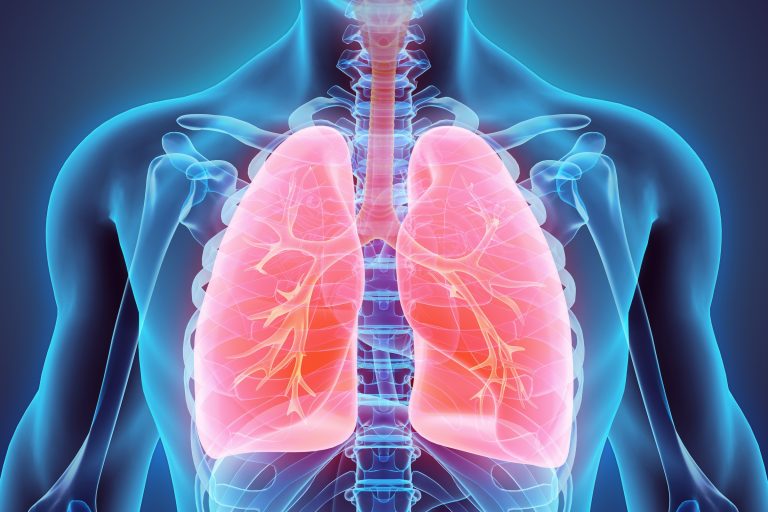
Lung cancer is a prevalent and devastating disease affecting millions of people worldwide. Within the realm of lung cancer, there exists a subset known as non-small cell lung cancer (NSCLC). While NSCLC itself is well-studied, there are rare variants within this category that require special attention and understanding. In this blog, we will delve into these uncommon variants of rare NSCLC, exploring their characteristics, diagnosis, and treatment options. For readers in Noida, we will also highlight the availability of lung cancer treatment in Noida and the best oncologists in the area.

Understanding Rare Non-Small Cell Lung Cancer

Non-small cell lung cancer encompasses approximately 85% of all lung cancer cases. However, within this classification, certain variants have a remarkably low incidence rate, earning them the label of rare NSCLC. These variants include large cell neuroendocrine carcinoma (LCNEC), sarcomatoid carcinoma, adenosquamous carcinoma, mucoepidermoid carcinoma, basaloid squamous cell carcinoma, and others.

Accurate diagnosis and identification of these rare variants are crucial for determining appropriate treatment plans. Advanced diagnostic techniques, including imaging studies, biopsies, and genetic testing, play a pivotal role in identifying the specific variant and its characteristics. In Noida, specialized facilities for lung cancer treatment are available, ensuring patients have access to accurate diagnoses and personalized treatment options.

Uncommon Variants of Rare Non-Small Cell Lung Cancer

Large Cell Neuroendocrine Carcinoma (LCNEC): LCNEC is an aggressive subtype with neuroendocrine features, accounting for less than 3% of all lung cancers. It presents challenges in diagnosis and treatment due to its rarity and resemblance to other lung cancers. LCNEC often requires multimodal treatment approaches, including surgery, chemotherapy, and radiation therapy.

Sarcomatoid Carcinoma: This variant is characterized by the presence of both carcinoma and sarcomatoid components. It represents less than 1% of all lung cancers and tends to have a poor prognosis. Treatment options include surgery, chemotherapy, and radiation therapy, although the efficacy of these approaches is still being studied.

Adenosquamous Carcinoma: Adenosquamous carcinoma is a rare variant composed of both glandular (adenocarcinoma) and squamous cell components. It accounts for less than 4% of all lung cancers. Treatment strategies involve surgery, chemotherapy, targeted therapy, or a combination of these modalities.

Mucoepidermoid Carcinoma: This variant is primarily found in the salivary glands but can occur in the lungs as a rare subtype of NSCLC. Mucoepidermoid carcinoma is characterized by a combination of glandular (mucinous) and squamous cell features. Treatment usually involves surgical resection, with the potential for adjuvant chemotherapy or radiation therapy.

Basaloid Squamous Cell Carcinoma: Basaloid squamous cell carcinoma is a rare variant with aggressive behavior and a propensity for lymph node involvement. It shares features with squamous cell carcinoma and basal cell carcinoma. Treatment may involve surgery, chemotherapy, and radiation therapy, depending on the stage and extent of the disease.

Advances in Diagnosis and Treatment

In recent years, significant advancements have been made in the diagnosis and treatment of rare NSCLC variants. Genetic testing, biomarkers, and molecular profiling have revolutionized the understanding of these tumors, allowing for more precise diagnosis and targeted treatment approaches. Targeted therapies, such as tyrosine kinase inhibitors, and immunotherapy have shown promise in certain rare NSCLC variants, providing patients with improved outcomes and quality of life.

Ongoing research and clinical trials offer hope for the development of novel treatments specifically tailored to rare NSCLC variants. These trials provide an opportunity for patients to access cutting-edge therapies and contribute to the advancement of medical knowledge.

Conclusion

Understanding and addressing the uncommon variants of rare NSCLC are crucial for improving patient outcomes. Accurate diagnosis, personalized treatment plans, and ongoing research play significant roles in combating these challenging tumors. For individuals in Noida, it is essential to be aware of the availability of lung cancer treatment in Noida and consult with the best oncologists in Noida for comprehensive care and expert guidance.

FAQs:

What are the risk factors for rare non-small cell lung cancer?

Rare non-small cell lung cancer shares similar risk factors to NSCLC, including smoking, exposure to environmental toxins, family history, and certain genetic mutations.

How is rare non-small cell lung cancer diagnosed?

Diagnosis involves imaging studies, biopsies, and genetic testing to identify the specific variant and its characteristics.

What are the treatment options for uncommon variants of rare non-small cell lung cancer?

Treatment options vary depending on the specific variant but may include surgery, chemotherapy, radiation therapy, targeted therapy, immunotherapy, or a combination of these modalities.

Are clinical trials available for rare non-small cell lung cancer patients?

Yes, ongoing clinical trials are investigating novel treatment approaches for rare NSCLC variants. Participation in clinical trials provides access to innovative therapies.

Can rare non-small cell lung cancer be cured?

The prognosis for rare NSCLC variants varies, but early diagnosis, appropriate treatment, and advancements in therapies have improved survival rates and quality of life for many patients.

Selecting the right alcohol treatment centre in Massachusetts is an essential option that may have an important behavior on one’s skill to remain sober. It is necessary to find a treatment service that can gather your exclusive needs and offer the necessary help for a successful improvement when looking to assist addiction.

Finding such a service can be tough. Selecting a facility expediently situated in one’s house can make it much easier to communicate with one’s loved ones and get help during and after treatment.

What Kinds Of Services Provides In Massachusetts?

Long-standing alcohol ill-treatment damages both the body and the brain. Your alcohol rehab centre programs must emphasize healing care, with services including:

  • Chiropractor sessions
  • Exercise classes
  • Yoga instruction
  • Nutritional education
  • Massage therapy

The whole self has been cared for through a Massachusetts alcohol rehab. As an outcome, you will be better able to experience an entire change of way of life and lasting recovery.

Specialties

It can often focus on treating certain types of habits or actions. For example, a centre may specialize in care for alcohol utilization disorder. In contrast, an additional may specialize in treating suffering with a dual analysis that regularly has higher victory when both situations are treated simultaneously. It is essential to go now to a treatment program that specializes in and has a helpful track proof of treating patients with your detailed needs.

How Staffs Support And Care For You?

The employees at our Massachusetts alcohol recovery are experts, devoted, and caring. Each member participating in your healing will hold to your exact treatment plan that deals with your unique test. They will make an effort nonstop to assist you to get success and reach a life of temperance.

But, you will also need ongoing assistance in coping with the pressure and worry of everyday life and your past suffering. Many of our customers need lifetime support to stay moderate. They are not incapable of handling recovery on their own.


Are you in the market for dental surgery in Newcastle? It’s worth knowing that there’s more to oral intervention than a simple tooth extraction. For instance, if you have a gummy smile or short teeth, you might qualify for what’s known as crown lengthening.

This procedure involves removing gum tissue to expose more of the tooth surface, resulting in a longer-looking tooth. Of course, if you’re not as familiar with it, you’re probably interested in whether it’s the treatment for you. Let’s break down crown lengthening, its benefits, and whether it’s the procedure you need.

What is Crown Lengthening?

Crown lengthening is a dental procedure that involves causing gum tissue to recede, exposing more of the enamel. The procedure is typically done on the front teeth, but it can also be done on the back teeth.

The Procedure In Brief

The procedure is typically done under local anaesthesia, and it usually takes about an hour to complete. During the procedure, your dentist will remove a small amount of gum tissue to expose more of the tooth surface. In some cases, your dentist may also remove some bone to achieve the desired results.

Laser crown removal uses a beam of high-energy light to achieve the same results. The difference is that it’s quicker, more precise, and less invasive than conventional surgery. Plus, there’s the added benefit of disinfecting your teeth. However, it can be costlier and requires the hands of a more experienced oral expert.

After the procedure, you will need to follow your dentist’s instructions for postoperative care. You may experience some pain, swelling, and bleeding in the first few days post-surgery, but these symptoms should eventually subside. You may also need a soft diet for a few days after the procedure to avoid irritating the surgical site.

Restorative Or Cosmetic

Crown lengthening can be performed for both restorative and cosmetic purposes. Restorative lengthening is typically needed when there isn’t enough tooth structure above the gum line to support a restoration. By removing gum tissue and bone, your dentist can expose more of the tooth surface.

Cosmetic lengthening, on the other hand, is done to improve the appearance of your smile. If you have a gummy smile or short teeth, surgery can give you a more symmetrical and aesthetically pleasing smile. The procedure can also be used to correct uneven gum lines or to reduce the appearance of long teeth.

Benefits of Crown Lengthening

Crown lengthening offers several benefits, including:

1. Improved Oral Health

By removing gum tissue and bone, your dentist can reduce the risk of periodontal disease and decay.

2. Improved Aesthetics

Crown lengthening can improve your smile by making your teeth look longer and more symmetrical.

3. Better Restorations

If you need a dental crown or bridge, crown lengthening can provide the necessary tooth structure to support the restoration.

4. Reduced Risk Of Injury

If you have short teeth, you may be more prone to tooth fractures or chips. Crown lengthening can help reduce the risk of these injuries by exposing more of the tooth surface.

How Affordable Is It?

The cost of crown lengthening can vary depending on the extent or method of the procedure or the surgeon’s experience. However, in general, the cost of crown lengthening can range from $500 to $3,000 per tooth.

It’s important to note that most dental insurance plans do not cover the cost of cosmetic procedures like crown lengthening. However, if the procedure is being done for restorative purposes, your dental insurance may cover a portion of the cost.

Conclusion

If you’re considering dental surgery in Newcastle and you have a gummy smile, crown lengthening might be the ideal procedure. Crown lengthening is a safe and effective way to improve your oral health and the appearance of your smile. Ask your dentist if crown lengthening is the right option, and get a cost estimate for the procedure.

With everyday advances in technology, it is no surprise that the scientific world is ever-changing. This can be especially seen in the use of laboratory centrifuges; these machines revolutionize how a laboratory runs and improves efficiency and precision of experiments. In this post, we will explore how laboratory centrifuges work and discuss their many benefits for laboratories. We’ll also talk about the different types of centrifuges and how to choose the right one for your lab. Read on to learn more about spinning science!

The different types of centrifuges

There are many different types of centrifuges available on the market today, each designed for a specific application. Here is a brief overview of some of the most popular types of centrifuges: Microcentrifuges – These compact centrifuges are specifically designed for use in microliter tubes and plates. They are perfect for applications requiring high speed and precise control, such as DNA or protein analysis. Benchtop laboratory centrifuge – A step up in size from microcentrifuges, benchtop centrifuges are still relatively compact and can be used for a variety of tasks such as cell culture or blood separation. Floor-Standing Centrifuges – The largest type of centrifuge, floor-standing models are typically used in industrial or research settings where large volumes need to be processed quickly and efficiently.

The benefits of using a centrifuge

Laboratory centrifuges are an essential piece of equipment for many different types of scientific research. They are used to separate materials of different densities by spinning them at high speeds, and can be used for a variety of tasks such as purifying DNA or proteins, separating cells, or removing solvents from samples. Centrifuges can also be used to concentrate or pellet cells and other particles in a suspension. There are many benefits to using a centrifuge in the laboratory. Centrifuges can save time and increase efficiency by allowing researchers to quickly and accurately separate materials. They can also improve the precision of experiments by providing more uniform results. In addition, centrifuges require less hands-on time than other methods of separation, such as manual filtration or gravity separation. This allows researchers to focus on other tasks while the centrifuge is running. Overall, using a centrifuge in the laboratory can save time, increase efficiency, and improve the precision of experiments. Centrifuges are an essential tool for many types of scientific research and should be part of any well-equipped lab.

How to choose the right centrifuge for your needs

There are many different types of centrifuges available on the market today. Here are a few factors to consider when choosing the right one for your needs. The type of samples you will be centrifuging. There are specific centrifuges designed for certain types of samples, such as blood or tissue. The amount of sample you need to centrifuge at one time. Some centrifuges have a smaller capacity than others. How often you will need to use the centrifuge. If you only need it occasionally, a less expensive model may be sufficient. However, if you plan to use it frequently, investing in a higher quality model will likely be worth the extra cost.

Genetics plays a significant role in shaping an individual’s health and well-being. While lifestyle choices, environmental factors, and aging are all important determinants of health, genetics can dictate a person’s susceptibility to certain health conditions and illnesses. It can also affect sexual function and can lead to lifelong medicine use to have sexual activity. Medicines like Cenforce 100mg and Fildena 100mg have been popular medicines for this condition.

Genetics and Health Conditions

Genetics are responsible for a significant portion of an individual’s health status. A person’s DNA contains instructions for how their body is built, how it functions, and how it responds to various environmental triggers. The genetic code contains information about a person’s predisposition to various diseases and disorders, including heart disease, cancer, and diabetes.

Moreover, genetics can dictate how a person’s body responds to various treatments and medications. For example, some people are predisposed to having a lower metabolism, making it harder for them to lose weight. Similarly, some people are predisposed to having a higher risk of developing certain types of cancer, which can impact their health outcomes.

Genetics and Sexual Problems

Sexual problems are a common concern for many people, regardless of age, gender, or lifestyle. Some sexual problems are the result of physical or psychological conditions, while others may be due to genetic factors.

For example, genetics can play a role in the development of sexual dysfunctions such as impotence, premature ejaculation, or low libido. Impotence, also known as erectile dysfunction, is a condition that affects millions of men worldwide. Erectile dysfunction can be caused by physical factors, such as cardiovascular disease or nerve damage, but it can also be caused by genetic factors.

Similarly, low libido, or a lack of sexual desire, is a common problem for many people. This can be caused by a variety of factors, including genetics. A genetic predisposition to low testosterone levels or hormonal imbalances can lead to a lack of sexual desire.

The Intersection of Genetics and Environmental Factors

It’s important to note that genetics and environmental factors interact in complex ways to determine an individual’s health status. For example, a person who has a genetic predisposition to a certain condition may still remain healthy if they have a healthy lifestyle and avoid environmental triggers. On the other hand, someone who has a healthy genetic makeup may develop a health condition if they engage in unhealthy lifestyle habits or are exposed to environmental toxins.

This is true for sexual problems as well. A person with a genetic predisposition to a sexual problem may not experience symptoms if they live a healthy lifestyle and engage in regular physical activity. On the other hand, someone who has a healthy genetic makeup may experience sexual problems if they engage in unhealthy lifestyle habits, such as excessive alcohol consumption or poor diet.

Genetics plays a significant role in determining an individual’s health status, including sexual problems. While genetics can dictate a person’s susceptibility to certain health conditions, environmental factors, and lifestyle choices can also have a significant impact. Understanding the interplay between genetics and environmental factors can help people make informed decisions about their health, well-being, and sexual function, preventing them from taking medicines like Malegra 100mg and Vidalista 20mg.