
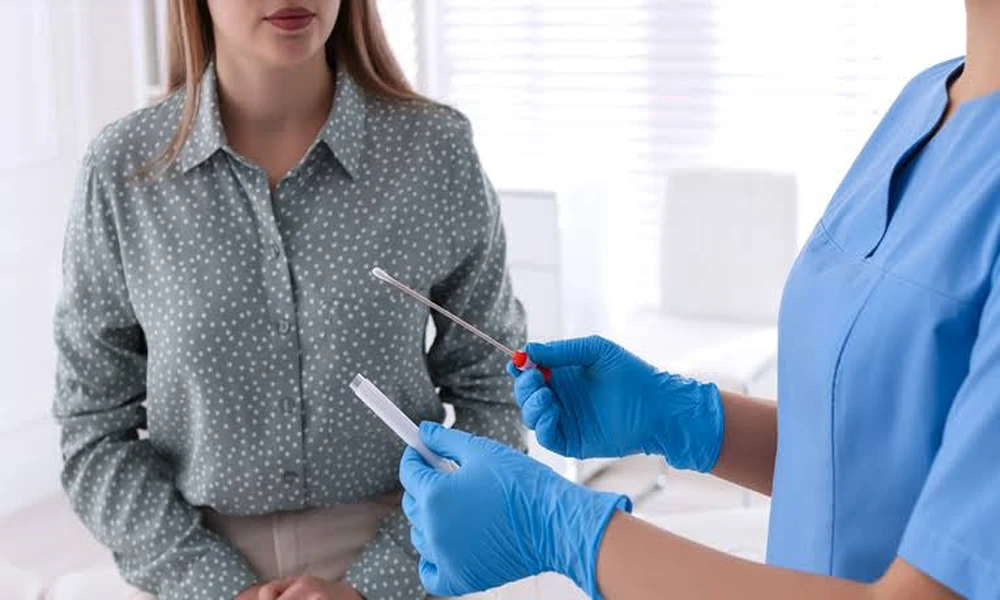
When it comes to sexual health, getting tested is only one part of the process. Many people focus on the initial screening but overlook the importance of follow-up care. Visiting an STD clinic is not just about receiving a diagnosis-it’s also about ensuring proper treatment, monitoring recovery, and preventing future complications. Understanding the role of follow-up care can make a major difference in maintaining long-term sexual health.
The Role of an STD Clinic
An STD clinic provides specialized care for the testing, diagnosis, treatment, and prevention of sexually transmitted diseases. These clinics are designed to offer confidential and professional healthcare services in a safe environment.
Many people visit an STD clinic when they experience symptoms or after potential exposure to an infection. However, regular screenings are also important for individuals who may not have any visible symptoms.
Clinics help patients stay informed about their health while providing guidance on prevention and safe practices.
Why Follow-Up Care Is Essential
Receiving treatment does not always mean the process is complete. Follow-up care ensures that the infection has been fully treated and that no additional issues have developed.
After visiting an STD clinic, healthcare providers may recommend follow-up appointments to monitor recovery or repeat certain tests. This is especially important for infections that can persist or recur if not managed properly.
Follow-up care also allows doctors to evaluate how well the treatment worked and whether any adjustments are needed.
Preventing Reinfection
One of the biggest reasons follow-up care matters is the risk of reinfection. Some individuals may unknowingly become exposed again if their partners are not tested or treated.
An STD clinic often provides counseling on partner notification and safe sexual practices to reduce the likelihood of reinfection.
Without proper follow-up, individuals may continue spreading infections or experience repeated health issues that could have been prevented.
Monitoring Long-Term Health
Certain sexually transmitted infections can have long-term effects if not carefully managed. Conditions such as HIV or herpes may require ongoing monitoring and treatment.
Through regular visits to an STD clinic, healthcare providers can track symptoms, monitor overall health, and ensure that treatment plans remain effective. This long-term support is essential for maintaining quality of life and preventing complications.
Emotional Support and Education
Sexual health concerns can sometimes create feelings of anxiety, embarrassment, or fear. Follow-up appointments provide an opportunity to address these emotional concerns in a supportive environment.
An STD clinic does more than provide medical treatment-it also offers education and reassurance. Patients can ask questions, discuss concerns, and receive guidance on protecting their health moving forward. This support helps individuals feel more confident and informed about their sexual well-being.
The Importance of Partner Communication
Follow-up care also encourages better communication between partners. Discussing testing and treatment openly can help reduce stigma and build trust within relationships. Healthcare professionals at an STD clinic may provide advice on how to approach these conversations respectfully and responsibly. When both partners participate in testing and treatment, it becomes easier to prevent future infections and maintain healthier relationships.
Addressing Asymptomatic Infections
One of the challenges with STDs is that many infections do not cause noticeable symptoms. A person may feel healthy while still carrying an infection that can affect others. This is why follow-up testing at an STD clinic is often recommended, even if symptoms disappear after treatment. Repeat testing helps confirm that the infection has been fully cleared and reduces the risk of unnoticed complications.
Encouraging Preventive Healthcare
Follow-up care plays a key role in preventive healthcare. It reinforces the importance of routine testing, safe practices, and ongoing awareness of sexual health. Regular visits to an STD clinic encourage individuals to stay proactive rather than waiting for symptoms to appear. This preventive approach can lead to earlier detection, faster treatment, and better long-term health outcomes.
Breaking the Stigma Around Continued Care
Many people feel comfortable seeking initial testing but hesitate when it comes to returning for follow-up visits. This is often due to stigma or fear of judgment. However, continued care is a normal and important part of managing health.
Returning to an STD clinic for follow-up appointments demonstrates responsibility and commitment to personal well-being. Normalizing ongoing sexual healthcare helps create a healthier and more informed society.
Conclusion
STD testing is only the first step in maintaining sexual health. Proper follow-up care ensures that infections are treated effectively, complications are avoided, and long-term health is protected.
An STD clinic provides more than diagnosis and treatment-it offers education, monitoring, emotional support, and preventive guidance. These services work together to help individuals make informed and responsible health decisions.
By prioritizing both testing and follow-up care, individuals can take a more proactive approach to protecting themselves and their partners.

Comments are closed.