
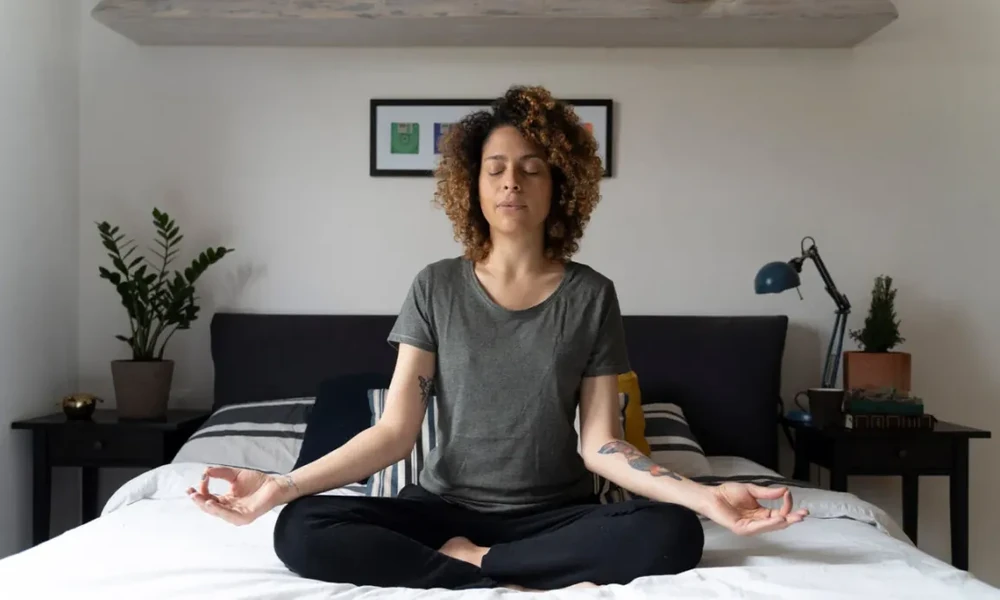
Living with a chronic skin condition can be challenging. Psoriasis often brings not only physical discomfort but also emotional stress. This guide explores how specific practices can serve as a vital tool for those seeking to improve their skin health. By integrating these techniques into daily routines, individuals may find a renewed sense of control over their condition.
Understanding the link between mental state and physical symptoms is crucial. Stress can often exacerbate skin issues, making it essential to address both aspects for effective care. By focusing on the present moment, individuals can learn to manage their reactions to stress, leading to a more balanced approach to overall well-being.
In this article, we will examine tailored practices that support unique needs while living with persistent skin conditions. This understanding is the first step toward achieving a better quality of life.
Key Takeaways
- This guide highlights essential techniques to improve skin health.
- Chronic conditions like psoriasis require consistent care and attention.
- Addressing stress can lead to better management of skin symptoms.
- Personalised practices can enhance individual experiences with skin conditions.
- Recognising the mental-physical connection is vital for effective care.
Introduction to Mindfulness and Psoriasis
Dealing with a persistent skin condition presents numerous challenges. Psoriasis is an inflammatory disorder that can lead to periods of remission followed by flare-ups. These flares are often triggered by external stress factors, making it crucial to understand the underlying causes.
A 2018 review of studies revealed that complementary therapies, including meditation, may help individuals manage their condition more effectively. Many people with psoriasis identify stress as a primary trigger for their symptoms, significantly impacting their skin health.
By incorporating a practice focused on awareness, individuals can learn to identify these triggers early. This approach may reduce the severity of their psoriasis symptoms over time. Clinical evidence suggests that over 35% of patients explore alternative therapy options, reflecting a growing interest in holistic treatment methods.
“Alternative therapies are becoming increasingly popular among those seeking relief from chronic conditions.”
The Science Behind Stress-induced Inflammation
Managing a chronic skin condition can be a complex journey. Stress plays a significant role in triggering inflammation, particularly in individuals with psoriasis. A 2018 systematic review confirmed that stress is a major factor affecting skin health.
The study found that the body’s fight-or-flight response releases hormones that can worsen symptoms. This makes effective stress management a critical component of treatment. Research indicates that inflammation is the core mechanism behind psoriasis, and calming the body through various techniques can be beneficial.
Understanding how stress impacts skin health allows individuals to utilise complementary therapies more effectively. This can help reduce the frequency of painful flare-ups. Clinical data from the review highlights that managing inflammation is essential for long-term skin health and overall comfort.
| Study Focus | Key Findings | Implications |
|---|---|---|
| Stress and Inflammation | Confirmed stress triggers inflammation in psoriasis. | Stress management is vital for symptom control. |
| Body Response | Fight-or-flight response worsens symptoms. | Calming techniques can alleviate flare-ups. |
| Long-term Health | Managing inflammation improves skin health. | Essential for overall comfort and well-being. |
Mindfulness Meditation for Psoriasis Management
Navigating the complexities of a chronic skin condition can often feel overwhelming. Integrating specific techniques into daily routines may provide significant benefits. Recent studies indicate that these practices can enhance overall well-being and skin health.
A 1998 study showed that patients who listened to guided meditation while undergoing phototherapy experienced a much faster rate of skin clearance. This highlights the potential effectiveness of combining traditional treatments with alternative methods.
Experts at The Psychodermatologist suggest that these techniques can help reduce the severity of symptoms by lowering overall body tension. Additionally, incorporating muscle relaxation into daily practice may assist in managing the anxiety that often accompanies a chronic skin condition.
While these practices are not cures, they are powerful tools. They may help individuals cope with the social challenges and stress associated with their condition. Furthermore,Surgical Arena Ltdnotes that consistent practice can enhance motivation to adhere to prescribed treatment plans.
| Study Year | Focus | Key Findings |
|---|---|---|
| 1998 | Guided Meditation | Faster skin clearance in patients undergoing phototherapy. |
| 2020 | Body Tension | Lower body tension linked to reduced symptom severity. |
| 2021 | Anxiety Management | Muscle relaxation techniques can alleviate anxiety. |
Guided Meditation Techniques for Effective Relaxation
Coping with a long-term skin issue can be a daunting experience. Implementing relaxation techniques can help alleviate the stress that often exacerbates skin conditions. Recent studies indicate that consistent practices can significantly improve mental health and overall well-being.
A 2023 study found that 12 weeks of regular deep breathing exercises led to a notable reduction in psychological stress. This simple yet effective practice can create a sense of calm and clarity.
Great Meditation Video
The Great Meditation video offers a concise 10-minute session. This guided experience aids in clearing distracting thoughts, allowing individuals to focus on the present moment.
Boho Beautiful Yoga Session
Boho Beautiful Yoga presents a 15-minute guided session designed to foster peace and manage anxiety. This practice is especially beneficial during uncertain times in life.
Daily Calm Practice
The Daily Calm practice emphasises connecting with feelings and releasing physical tension. By dedicating time each day to these techniques, individuals can enhance their ability to cope with stress, which often triggers flare-ups.
Complementary Therapies for Mental Wellbeing
Experiencing a chronic skin condition can lead to numerous difficulties. Integrating complementary therapies into daily life can significantly enhance mental well-being. These practices can provide essential support for those dealing with the emotional aspects of their condition.
The Psychodermatologist highlights the importance of managing anxiety and depression. By addressing these emotional challenges, individuals may experience improved outcomes with their skin health. This approach can lead to a more balanced and positive life.
Surgical Arena Ltd offers practical tips for incorporating stress reduction techniques into daily routines. Simple practices can help treat psoriasis and improve overall mental health. Many individuals with psoriasis also face challenges related to psoriatic arthritis, making it vital to consider holistic therapies.
- Professional guidance can aid in managing anxiety and depression effectively.
- Integrating relaxation techniques into daily life can support better treatment outcomes.
- Consistent practice of these therapies fosters a positive outlook and resilience.
- Addressing emotional health is crucial for managing the physical symptoms of psoriasis.
- Utilising complementary therapies can enhance overall well-being and quality of life.
Innovative Approaches in Mind-Body Training
The journey of living with a chronic skin condition can be fraught with obstacles. Innovative approaches in mind-body training offer promising solutions to enhance overall well-being. These techniques focus on reducing stress and managing the physical symptoms associated with skin conditions.
Biofeedback and cognitive techniques have shown significant potential. A study involving 40 participants found that those receiving phototherapy experienced better outcomes when combined with these methods. This integration allows individuals to gain real-time insights into their body’s responses to stress, enabling them to adjust their relaxation techniques effectively.
Biofeedback and Cognitive Techniques
- Combining phototherapy with biofeedback and cognitive techniques significantly improves psoriasis management outcomes.
- Cognitive techniques help identify negative thoughts, crucial for treatment plans.
- Biofeedback provides real-time data on stress responses, aiding in effective relaxation.
Aromatherapy and Spa Therapy
Mind-body training also includes aromatherapy and spa therapy. These practices help reduce stress and improve the overall experience of managing skin conditions. They create a calming environment that supports relaxation and emotional well-being.
- Aromatherapy can enhance relaxation and alleviate tension.
- Spa therapy provides a holistic approach to treating skin symptoms.
By incorporating these innovative approaches, individuals may find a holistic way to treat their skin conditions while addressing the associated anxiety.
Conclusion
Confronting a chronic skin issue often presents a unique set of hurdles. Managing psoriasis requires a comprehensive approach that combines medical treatment with practices aimed at reducing stress. Techniques such as guided meditation and muscle relaxation can help alleviate symptoms that disrupt daily life.
Research consistently shows that people with psoriasis benefit from a holistic strategy addressing both skin health and mental well-being. Remember, consistency is key; even small daily sessions can foster a positive outlook while living with this condition.
Always consult with your healthcare provider to ensure that your chosen complementary therapies align with your overall treatment plan. Embracing these practices may help improve both your skin and your quality of life.

Comments are closed.