Category

Skin Care

Category

Living with a chronic skin condition can be challenging. Psoriasis often brings not only physical discomfort but also emotional stress. This guide explores how specific practices can serve as a vital tool for those seeking to improve their skin health. By integrating these techniques into daily routines, individuals may find a renewed sense of control over their condition.

Understanding the link between mental state and physical symptoms is crucial. Stress can often exacerbate skin issues, making it essential to address both aspects for effective care. By focusing on the present moment, individuals can learn to manage their reactions to stress, leading to a more balanced approach to overall well-being.

In this article, we will examine tailored practices that support unique needs while living with persistent skin conditions. This understanding is the first step toward achieving a better quality of life.

Key Takeaways

  • This guide highlights essential techniques to improve skin health.
  • Chronic conditions like psoriasis require consistent care and attention.
  • Addressing stress can lead to better management of skin symptoms.
  • Personalised practices can enhance individual experiences with skin conditions.
  • Recognising the mental-physical connection is vital for effective care.

Introduction to Mindfulness and Psoriasis

Dealing with a persistent skin condition presents numerous challenges. Psoriasis is an inflammatory disorder that can lead to periods of remission followed by flare-ups. These flares are often triggered by external stress factors, making it crucial to understand the underlying causes.

A 2018 review of studies revealed that complementary therapies, including meditation, may help individuals manage their condition more effectively. Many people with psoriasis identify stress as a primary trigger for their symptoms, significantly impacting their skin health.

By incorporating a practice focused on awareness, individuals can learn to identify these triggers early. This approach may reduce the severity of their psoriasis symptoms over time. Clinical evidence suggests that over 35% of patients explore alternative therapy options, reflecting a growing interest in holistic treatment methods.

“Alternative therapies are becoming increasingly popular among those seeking relief from chronic conditions.”

The Science Behind Stress-induced Inflammation

Managing a chronic skin condition can be a complex journey. Stress plays a significant role in triggering inflammation, particularly in individuals with psoriasis. A 2018 systematic review confirmed that stress is a major factor affecting skin health.

The study found that the body’s fight-or-flight response releases hormones that can worsen symptoms. This makes effective stress management a critical component of treatment. Research indicates that inflammation is the core mechanism behind psoriasis, and calming the body through various techniques can be beneficial.

Understanding how stress impacts skin health allows individuals to utilise complementary therapies more effectively. This can help reduce the frequency of painful flare-ups. Clinical data from the review highlights that managing inflammation is essential for long-term skin health and overall comfort.

Study Focus Key Findings Implications
Stress and Inflammation Confirmed stress triggers inflammation in psoriasis. Stress management is vital for symptom control.
Body Response Fight-or-flight response worsens symptoms. Calming techniques can alleviate flare-ups.
Long-term Health Managing inflammation improves skin health. Essential for overall comfort and well-being.

Mindfulness Meditation for Psoriasis Management

Navigating the complexities of a chronic skin condition can often feel overwhelming. Integrating specific techniques into daily routines may provide significant benefits. Recent studies indicate that these practices can enhance overall well-being and skin health.

A 1998 study showed that patients who listened to guided meditation while undergoing phototherapy experienced a much faster rate of skin clearance. This highlights the potential effectiveness of combining traditional treatments with alternative methods.

Experts at The Psychodermatologist suggest that these techniques can help reduce the severity of symptoms by lowering overall body tension. Additionally, incorporating muscle relaxation into daily practice may assist in managing the anxiety that often accompanies a chronic skin condition.

While these practices are not cures, they are powerful tools. They may help individuals cope with the social challenges and stress associated with their condition. Furthermore,Surgical Arena Ltdnotes that consistent practice can enhance motivation to adhere to prescribed treatment plans.

Study Year Focus Key Findings
1998 Guided Meditation Faster skin clearance in patients undergoing phototherapy.
2020 Body Tension Lower body tension linked to reduced symptom severity.
2021 Anxiety Management Muscle relaxation techniques can alleviate anxiety.

Guided Meditation Techniques for Effective Relaxation

Coping with a long-term skin issue can be a daunting experience. Implementing relaxation techniques can help alleviate the stress that often exacerbates skin conditions. Recent studies indicate that consistent practices can significantly improve mental health and overall well-being.

A 2023 study found that 12 weeks of regular deep breathing exercises led to a notable reduction in psychological stress. This simple yet effective practice can create a sense of calm and clarity.

Great Meditation Video

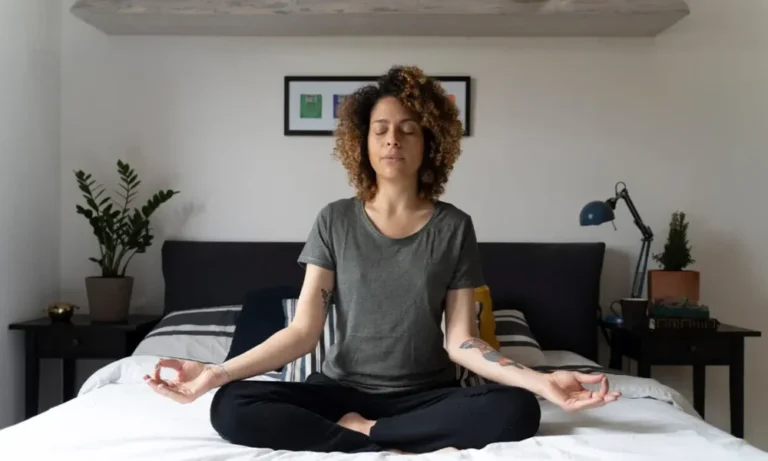
The Great Meditation video offers a concise 10-minute session. This guided experience aids in clearing distracting thoughts, allowing individuals to focus on the present moment.

Boho Beautiful Yoga Session

Boho Beautiful Yoga presents a 15-minute guided session designed to foster peace and manage anxiety. This practice is especially beneficial during uncertain times in life.

Daily Calm Practice

The Daily Calm practice emphasises connecting with feelings and releasing physical tension. By dedicating time each day to these techniques, individuals can enhance their ability to cope with stress, which often triggers flare-ups.

Complementary Therapies for Mental Wellbeing

Experiencing a chronic skin condition can lead to numerous difficulties. Integrating complementary therapies into daily life can significantly enhance mental well-being. These practices can provide essential support for those dealing with the emotional aspects of their condition.

The Psychodermatologist highlights the importance of managing anxiety and depression. By addressing these emotional challenges, individuals may experience improved outcomes with their skin health. This approach can lead to a more balanced and positive life.

Surgical Arena Ltd offers practical tips for incorporating stress reduction techniques into daily routines. Simple practices can help treat psoriasis and improve overall mental health. Many individuals with psoriasis also face challenges related to psoriatic arthritis, making it vital to consider holistic therapies.

  • Professional guidance can aid in managing anxiety and depression effectively.
  • Integrating relaxation techniques into daily life can support better treatment outcomes.
  • Consistent practice of these therapies fosters a positive outlook and resilience.
  • Addressing emotional health is crucial for managing the physical symptoms of psoriasis.
  • Utilising complementary therapies can enhance overall well-being and quality of life.

Innovative Approaches in Mind-Body Training

The journey of living with a chronic skin condition can be fraught with obstacles. Innovative approaches in mind-body training offer promising solutions to enhance overall well-being. These techniques focus on reducing stress and managing the physical symptoms associated with skin conditions.

Biofeedback and cognitive techniques have shown significant potential. A study involving 40 participants found that those receiving phototherapy experienced better outcomes when combined with these methods. This integration allows individuals to gain real-time insights into their body’s responses to stress, enabling them to adjust their relaxation techniques effectively.

Biofeedback and Cognitive Techniques

  • Combining phototherapy with biofeedback and cognitive techniques significantly improves psoriasis management outcomes.
  • Cognitive techniques help identify negative thoughts, crucial for treatment plans.
  • Biofeedback provides real-time data on stress responses, aiding in effective relaxation.

Aromatherapy and Spa Therapy

Mind-body training also includes aromatherapy and spa therapy. These practices help reduce stress and improve the overall experience of managing skin conditions. They create a calming environment that supports relaxation and emotional well-being.

  • Aromatherapy can enhance relaxation and alleviate tension.
  • Spa therapy provides a holistic approach to treating skin symptoms.

By incorporating these innovative approaches, individuals may find a holistic way to treat their skin conditions while addressing the associated anxiety.

Conclusion

Confronting a chronic skin issue often presents a unique set of hurdles. Managing psoriasis requires a comprehensive approach that combines medical treatment with practices aimed at reducing stress. Techniques such as guided meditation and muscle relaxation can help alleviate symptoms that disrupt daily life.

Research consistently shows that people with psoriasis benefit from a holistic strategy addressing both skin health and mental well-being. Remember, consistency is key; even small daily sessions can foster a positive outlook while living with this condition.

Always consult with your healthcare provider to ensure that your chosen complementary therapies align with your overall treatment plan. Embracing these practices may help improve both your skin and your quality of life.

FAQ

How can mindfulness techniques help with psoriasis symptoms?

Mindfulness techniques can aid in reducing stress, which is known to trigger flare-ups. By practising mindfulness, individuals may experience improved mental health, leading to a decrease in psoriasis symptoms.

Are there specific meditation practices recommended for people with psoriasis?

Yes, practices such as guided meditation, deep breathing exercises, and muscle relaxation techniques are beneficial. These can help alleviate tension and promote relaxation, potentially reducing inflammation.

Can mindfulness practices assist in managing anxiety and depression associated with psoriasis?

Absolutely. Research indicates that mindfulness can help reduce anxiety and depression, which often accompany chronic skin conditions like psoriasis. This holistic approach may enhance overall wellbeing.

How often should one practise mindfulness to see benefits?

Regular practice is key. Engaging in mindfulness exercises for at least 10-20 minutes daily can lead to noticeable improvements in stress levels and overall mental health.

Is there scientific evidence supporting the use of mindfulness in treating psoriasis?

Yes, systematic reviews have shown that mindfulness can play a role in managing psoriasis symptoms by reducing stress and improving emotional health, which may positively impact skin conditions.

Are there any risks associated with mindfulness practices?

Generally, mindfulness practices are safe. However, individuals with severe mental health issues should consult a healthcare professional before starting any new practice to ensure it aligns with their treatment plan.

What other complementary therapies can support psoriasis management?

Alongside mindfulness, therapies such as aromatherapy, yoga, and biofeedback can be effective. These approaches can enhance relaxation and further support skin health.

Key Takeaways

  • Daily use of a broad-spectrum sunscreen helps reduce the risk of new pigmentation developing after skin pigmentation removal treatment.
  • Topical ingredients such as antioxidants and pigment-regulating agents may help support skin maintenance and reduce melanin production.
  • Follow-up appointments at an aesthetic clinic allow practitioners to monitor skin changes and recommend maintenance treatment when appropriate.

Introduction

Following skin pigmentation removal treatment, maintaining the results requires ongoing skincare and sun protection. While professional treatments can reduce the appearance of pigmentation, factors such as ultraviolet (UV) exposure, heat, hormonal changes, and natural skin ageing may contribute to the development of new pigmentation over time. Establishing an appropriate post-treatment skincare routine and attending follow-up assessments can help support long-term skin management.

The Importance of Sun Protection

One of the most important aspects of aftercare following a laser treatment for pigmentation is protecting the skin from ultraviolet (UV) exposure. UV radiation stimulates melanin production, and treated skin may be more sensitive during the healing period.

Applying a broad-spectrum sunscreen with an SPF of at least 30 each day is generally recommended, including on cloudy days and when spending time indoors near windows, as UV rays can penetrate cloud cover and glass.

When spending extended periods outdoors, sunscreen should be reapplied according to the product instructions. Additional protective measures, such as wearing wide-brimmed hats, seeking shade, and limiting sun exposure during peak UV hours, may further reduce the risk of pigmentation recurrence.

Supporting Your Skin with Topical Skincare

Following the initial recovery period, topical skincare products may support the maintenance of treatment outcomes. Ingredients that regulate melanin production, including tranexamic acid, kojic acid, and liquorice root extract, are commonly incorporated into skincare routines for managing pigmentation concerns.

Antioxidants such as vitamin C may also help protect the skin against oxidative stress caused by environmental factors while contributing to a more even skin appearance. A qualified practitioner can recommend products that are appropriate for your skin type and treatment history.

Immediately after a laser treatment for pigmentation, it is generally advisable to avoid harsh exfoliants or strong active ingredients until the skin has recovered sufficiently. A gentle skincare routine is often recommended during the healing period.

The Role of Maintenance Appointments

Pigmentation may gradually recur due to ongoing environmental exposure and natural biological processes. For this reason, some patients may benefit from periodic review appointments following skin pigmentation removal treatment.

Depending on the individual’s skin condition and clinical assessment, practitioners may recommend maintenance sessions. These appointments allow early pigment changes to be assessed and managed before they become more noticeable.

Regular follow-up consultations also provide an opportunity to review skincare routines, assess treatment outcomes, and modify management plans if required.

Managing Heat and Other Contributing Factors

Ultraviolet radiation is not the only factor associated with pigmentation. In some individuals, particularly those with melasma, heat exposure may also contribute to increased melanin production. Activities such as sauna use, hot yoga, or prolonged exposure to high temperatures may trigger pigmentation in susceptible individuals.

Hormonal changes and certain medications may also influence pigmentation. If you notice changes in your skin after starting new medication or during periods of hormonal fluctuation, discussing these changes with your treating practitioner may help determine whether adjustments to your skincare or treatment plan are appropriate.

Considering both environmental and internal factors can support the long-term management of pigmentation concerns.

Conclusion

Maintaining the results of skin pigmentation removal involves a combination of sun protection, appropriate skincare, and regular clinical review. Daily sunscreen use, pigment-management skincare products, and follow-up consultations may help reduce the likelihood of pigmentation recurrence.

A laser treatment for pigmentation addresses existing pigmentation, while ongoing skincare and lifestyle measures contribute to maintaining treatment outcomes over time. Consulting a qualified medical practitioner can help you develop an aftercare plan that is appropriate for your skin type, medical history, and pigmentation concerns.

Get in touch with Veritas Medical Aesthetics to arrange a consultation and discuss treatment and maintenance options for pigmentation with a qualified practitioner.

Healthy-looking skin is often the result of consistent care, but even a strong home skincare routine may not address every concern. Daily cleansing, moisturizing, and sunscreen use are essential, yet many people still experience clogged pores, uneven texture, dehydration, dullness, or a tired-looking complexion. Environmental exposure, stress, makeup residue, seasonal weather, and natural aging can all affect the skin over time.

Professional facial treatments offer a more advanced level of care that complements daily skincare. They can help cleanse the skin more thoroughly, support hydration, improve texture, and create a fresher overall appearance. For people who want a personalized approach to maintaining clearer and more radiant skin, a Mediluxe facial treatment may be worth considering as part of a complete skincare routine.

Why Is Daily Skincare Sometimes Not Enough?

A home skincare routine plays an important role in protecting and maintaining the skin. However, most home products are designed for regular surface-level care. They may not always provide the deeper cleansing, exfoliation, or hydration support needed to address buildup and persistent skin concerns.

Throughout the day, the skin is exposed to oil, sweat, makeup, pollution, and other environmental particles. Dead skin cells can also collect on the surface, making the complexion look rough or dull. If this buildup is not removed effectively, pores may appear more noticeable and skincare products may not absorb as evenly.

Professional facial treatments can help bridge the gap between basic daily maintenance and more targeted care. They are not intended to replace a home routine. Instead, they can enhance it by giving the skin additional support when regular products are not producing the desired results.

What Can a Professional Facial Treatment Help Improve?

One reason facial treatments remain popular is their ability to support several skincare goals during the same appointment. The exact results depend on the treatment and the person’s skin condition, but professional facials are commonly chosen for the following benefits.

Deeper Cleansing

Regular face washing removes surface impurities, but professional care can provide a more thorough cleansing experience. This may be helpful for people who struggle with congestion, excess oil, or a complexion that does not feel completely refreshed after home cleansing.

Improved Hydration

Dehydrated skin can feel tight, rough, or uncomfortable. It may also make fine lines and uneven texture appear more noticeable. Hydration-focused facial treatments can help restore moisture and support a softer, more supple appearance.

Smoother Skin Texture

Dead skin cells and dryness can make the surface of the skin feel uneven. A professional facial may help refine the texture and leave the complexion looking smoother and more polished.

Brighter Appearance

Dullness is a common concern, especially during colder seasons or periods of stress and poor sleep. By cleansing, exfoliating, and hydrating the skin, a facial can help support a brighter and more refreshed look.

Better Support for Home Products

When surface buildup is removed, serums, moisturizers, and other products may spread and absorb more evenly. This can help make a well-planned home routine feel more effective.

Why Are Hydration-Focused Facials So Popular?

Hydration affects the way the skin looks, feels, and functions. When moisture levels are low, the skin may appear tired and less radiant. It can also become more sensitive or uncomfortable, especially when exposed to cold weather, indoor heating, or strong skincare ingredients.

Hydration-focused facials have become popular because they can help refresh the skin without requiring surgery or extended recovery. Many people want a treatment that improves the appearance of their complexion while fitting easily into a busy schedule.

These treatments may be especially appealing before an important event, vacation, professional meeting, or photo session. However, they can also be useful as part of regular skincare maintenance throughout the year.

Who May Benefit From a Facial Treatment?

Professional facial care can be useful for many different skin types and goals. It is not limited to people with severe concerns.

People With Dull or Tired-Looking Skin

A facial may help restore radiance and create a fresher overall appearance.

Individuals With Dry or Dehydrated Skin

Hydrating treatments can support softness, comfort, and a healthier-looking skin surface.

People With Congested Pores

Deeper cleansing may be beneficial for those who notice buildup, excess oil, or uneven clarity.

Adults Preparing for Special Events

Many people schedule facial treatments before weddings, celebrations, vacations, or important professional occasions.

Anyone Interested in Skin Maintenance

Even people without a specific concern may use professional facials to support regular skincare and maintain a smoother complexion.

How Does Professional Care Support Long-Term Skin Maintenance?

Skincare results usually come from consistency rather than a single product or appointment. Professional treatments can be most valuable when they are used alongside a suitable home routine.

Regular facial care may help manage seasonal dryness, surface buildup, and changes in skin texture. It can also encourage people to pay closer attention to their skin and adjust their routine when necessary.

A thoughtful skincare plan may include gentle cleansing, hydration, daily sun protection, and occasional professional treatments. The frequency of appointments can vary based on skin type, lifestyle, and personal goals.

Why Does Personalization Matter?

Every person’s skin is different. A treatment that works well for one individual may not be the best choice for another. Skin type, sensitivity, hydration level, current products, and specific concerns should all be considered when choosing professional care.

A personalized approach helps ensure the treatment supports the skin rather than overwhelming it. For example, someone with dry skin may need a different focus than a person dealing with excess oil or congestion.

Professional assessment can also help people avoid randomly combining treatments or products that do not work well together. A more structured approach often creates a better experience and supports realistic expectations.

What Should a Good Facial Experience Feel Like?

A quality facial should leave the skin feeling refreshed, balanced, and comfortable. The goal is not to make the skin feel aggressively stripped or overtreated. Instead, the treatment should support visible improvement while respecting the skin’s natural barrier.

People often look for facial treatments that offer:

  • Thorough but comfortable cleansing
  • Hydration without heaviness
  • Smoother-looking skin
  • A more radiant complexion
  • Minimal interruption to daily activities
  • Care that suits their individual concerns

The overall experience should feel professional, clean, and tailored to the person’s needs.

Why Consistency Matters More Than Quick Fixes

Many skincare concerns develop over time, so they rarely disappear after one treatment. A single facial may help the skin look refreshed, but ongoing results usually depend on regular care and healthy daily habits.

Using sunscreen, staying hydrated, cleansing gently, and choosing suitable products can help maintain the benefits of professional treatments. Consistency also helps people better understand how their skin responds to weather, stress, travel, and lifestyle changes.

Instead of viewing facial treatments as a one-time solution, it can be more helpful to see them as one part of a broader skincare strategy.

Final Thoughts

Professional facial treatments can be a useful option for people who want to support cleaner, smoother, and more radiant skin. They can provide deeper cleansing, hydration, texture improvement, and professional care that complements everyday skincare products.

The most effective approach is usually one that combines suitable home care with treatments selected for the person’s individual needs. With thoughtful planning and realistic expectations, professional facial care can help the skin feel more balanced, look more refreshed, and remain easier to maintain over time.

Facial hair removal remains a common beauty routine. Many people want smooth and healthy skin. Every method offers different benefits. Every choice also has certain limits. Some options provide quick results. Others focus on lasting improvement. So, selecting the right method depends on comfort lifestyle and personal goals. Modern treatments continue gaining attention because they combine convenience with better long-term value. Understanding every option helps create smarter decisions for future skincare.

Understanding Daily Hair Removal Choices

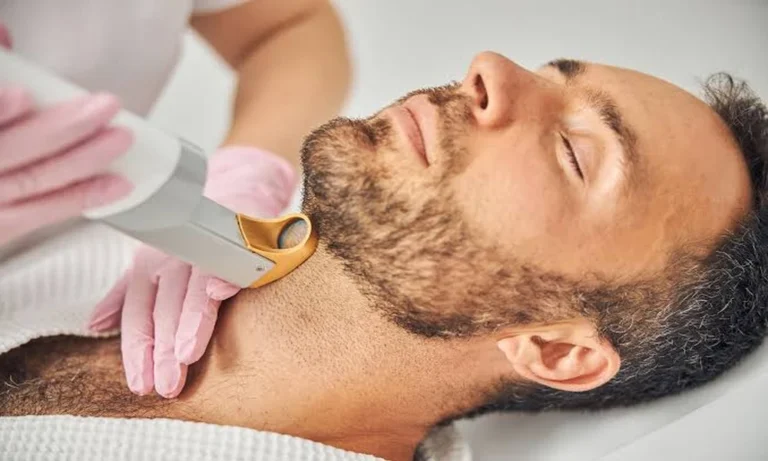
Waxing removes hair from the root. Results usually last longer than shaving. Threading shapes delicate facial areas well. Many people prefer clean eyebrow lines. Shaving cuts hair near the surface. The process feels quick and simple. But regular maintenance becomes necessary because fresh growth appears sooner than expected. The face laser hair removal offers another approach that focuses on reducing future hair growth over time. Simplicity Laser provides professional treatments that support people seeking smoother skin with less daily effort.

Comparing Comfort During Treatment

Comfort matters during every beauty routine. Waxing often causes sudden discomfort. Threading creates brief pulling sensations. Shaving feels gentle for many users. Small cuts still remain possible. Sometimes sensitive skin reacts after traditional methods, creating redness that fades with proper aftercare. Laser sessions create mild warmth instead of constant pulling. Many people describe the feeling as small snaps against the skin. Simplicity Laser uses advanced technology that helps improve comfort while supporting effective treatment results for different skin types.

Looking at Long Lasting Results

Long lasting results attract many people. Waxing delays visible regrowth effectively. Threading keeps facial features neat. Shaving requires frequent attention again. Hair returns very quickly. But laser treatments gradually reduce future growth through repeated sessions that target active hair follicles carefully. Less visible hair often appears after consistent treatments. Many individuals notice softer regrowth over time. That gradual improvement makes laser treatments appealing for busy lifestyles. Simplicity Laser continues helping clients achieve smoother skin through customized treatment plans that match individual needs and expectations.

Choosing the Best Option for Personal Goals

Every person has unique priorities. Some people value quick solutions. Others seek lasting convenience instead. Budget also influences decisions. Lifestyle affects maintenance preferences too. So, comparing every method carefully creates better confidence before choosing a suitable hair removal routine. Traditional options remain useful for occasional grooming because they offer familiar techniques with immediate visible results. Laser treatments require patience during the process, yet many people appreciate reduced maintenance afterward. Careful consultation with experienced professionals supports informed choices while considering skin type hair texture and personal expectations.