
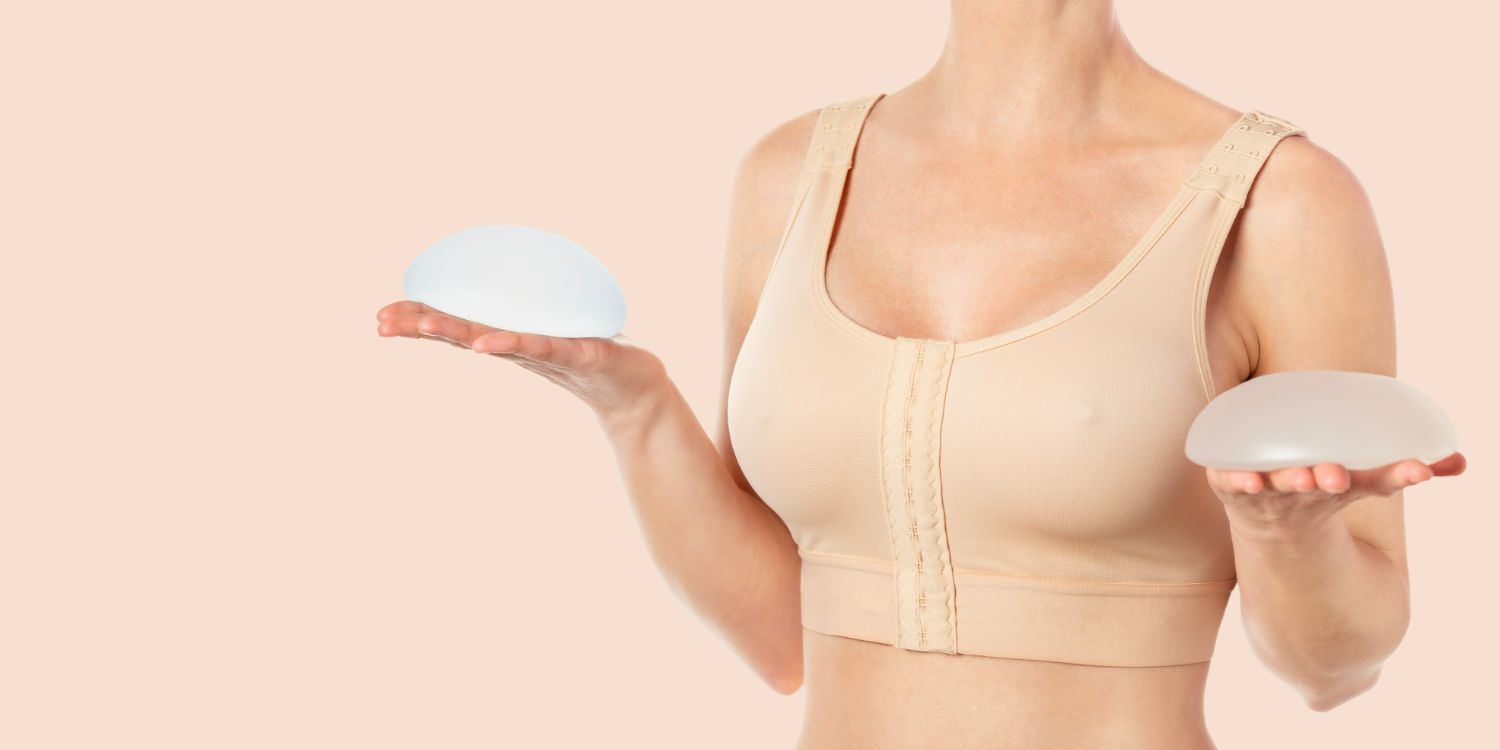
Breast augmentation is a personal decision that can be influenced by confidence, body balance, lifestyle and individual aesthetic goals. Some people consider the procedure to restore volume after pregnancy or weight changes, while others may want to enhance shape, improve symmetry or feel more comfortable in their clothing.
For anyone researching Breast augmentation Liverpool, it is important to understand what the procedure involves, how consultations work and what to expect before and after surgery. Taking time to learn about the process can help patients make informed choices with realistic expectations.
What Is Breast Augmentation?
Breast augmentation is a surgical procedure designed to increase breast size, enhance shape or improve breast symmetry. It is most commonly performed using breast implants, although the exact approach depends on the patient’s anatomy, goals and medical suitability.
The procedure is not only about choosing a larger size. A well-planned breast augmentation should consider proportion, natural movement, body frame and long-term comfort. This is why personalised medical advice is essential.
Why the Consultation Is So Important
A consultation is the first step towards understanding whether breast augmentation is suitable. During this appointment, a surgeon can discuss the patient’s goals, review medical history and assess breast shape, skin quality and body proportions.
Patients may also learn about implant sizes, shapes, placement options and incision locations. A good consultation should explain the benefits, limitations and potential risks of surgery clearly. It should also give patients time to ask questions and consider their options without feeling rushed.
Key Choices to Discuss Before Surgery
Implant Size
Choosing the right implant size is one of the most important decisions. The best option should suit the patient’s body frame, lifestyle and desired outcome. Bigger is not always better, as overly large implants may feel uncomfortable or look less natural on some body types.
Implant Shape
Implants can vary in shape and profile. Some create a fuller, rounder appearance, while others are designed for a more subtle contour. The right choice depends on the look the patient wants and what is suitable for their existing breast tissue.
Implant Placement
Implants may be placed in different positions depending on the patient’s anatomy and the surgeon’s recommendation. Placement can influence the final appearance, feel and recovery process.
Incision Location
Breast augmentation involves incisions, so scarring should be discussed in advance. A surgeon can explain where incisions may be placed and how scars are expected to heal over time.
Benefits of a Personalised Approach
Every patient has different goals and physical characteristics. A personalised approach helps ensure that the procedure is planned around the individual rather than a standard result. This can support a more balanced outcome and help patients feel confident that their treatment plan reflects their expectations.
Personalised planning also helps reduce misunderstandings. When patients understand what is achievable, they are more likely to feel prepared and satisfied with the process.
What to Expect During Recovery
Recovery after breast augmentation varies from person to person. Patients may experience swelling, bruising, tightness or temporary discomfort in the early stages. Time away from work may be needed, and strenuous activity should usually be avoided until the surgeon advises it is safe.
Aftercare is an important part of the journey. Patients may be asked to wear a supportive bra, attend follow-up appointments and follow specific guidance on rest, movement and scar care. Following these instructions can support healing and long-term results.
Questions to Ask Your Surgeon
Before making a decision, it is helpful to prepare a list of questions. Patients may want to ask about the surgeon’s experience, implant options, expected recovery times, possible risks and how results may change over time.
It is also sensible to ask about follow-up care and future considerations, including implant monitoring and whether further surgery may ever be needed. Clear communication helps patients feel more confident at every stage.
Making a Safe and Informed Choice
Breast augmentation is a medical procedure, so it should be approached carefully. Patients should choose a qualified surgeon, take time to review their options and avoid making decisions based on trends or pressure from others.
The right choice should feel personal, informed and realistic. A responsible clinic will prioritise patient safety, honest advice and long-term wellbeing.
FAQ
What is breast augmentation?
Breast augmentation is a surgical procedure that aims to increase breast size, improve shape or enhance symmetry, usually using implants.
How do I choose the right implant size?
The right implant size depends on your body frame, existing breast tissue, lifestyle and desired result. A surgeon can guide you through suitable options during consultation.
How long does recovery take after breast augmentation?
Recovery varies depending on the patient and procedure. Most people need a period of rest and should avoid strenuous activity while healing.
Will breast augmentation leave scars?
Yes, breast augmentation involves incisions, so some scarring is expected. The location and appearance of scars depend on the surgical technique and individual healing.
Is breast augmentation suitable for everyone?
No, breast augmentation is not suitable for everyone. A consultation with a qualified surgeon is needed to assess health, goals and suitability.
Conclusion
Breast augmentation is a significant decision that deserves careful thought, expert advice and realistic expectations. From choosing implant size to understanding recovery, every stage should be guided by clear information and personalised care.
For patients in Liverpool, speaking with an experienced specialist can help make the process feel more informed and reassuring. With the right guidance, breast augmentation can be planned in a way that supports confidence, comfort and individual goals.

Comments are closed.