
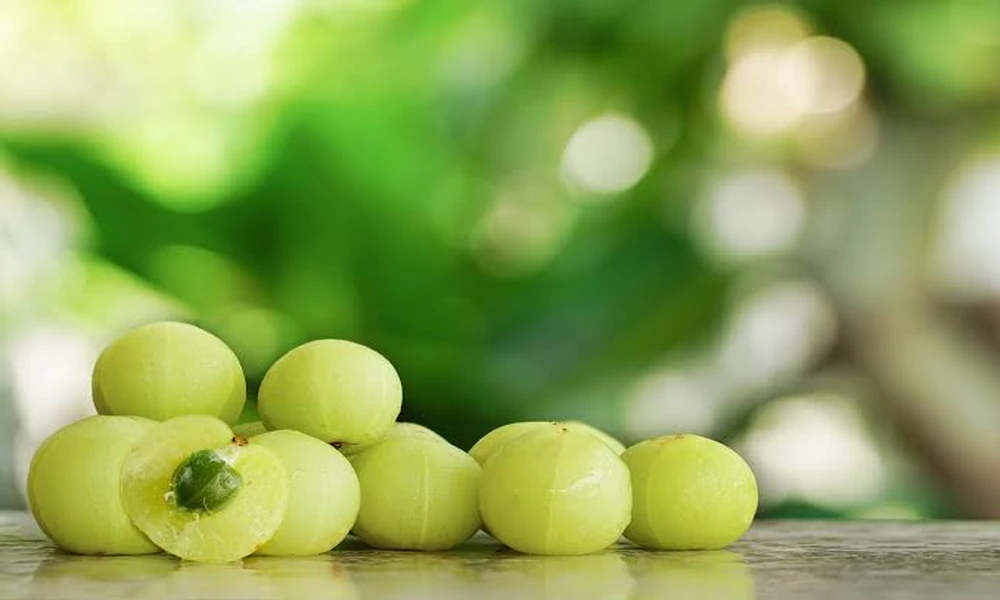
Amla, also known as Indian gooseberry, is used in food and traditional health practices. People with diabetes may encounter claims that amla can quickly lower blood sugar or replace medicine. A systematic review and meta-analysis of amla supplementation examined possible effects on glucose, blood lipids and inflammation. The findings suggest potential benefits in some measures, but the available studies have limitations and do not justify presenting amla as a cure.
It is important to separate fresh amla used as food from concentrated products. Fresh fruit, powder, juice, capsules, extracts, murabba and mixed herbal preparations can have very different ingredients and doses.
Sweetened amla products may be unsuitable for regular diabetes management. Murabba, candy and packaged juice can contain substantial added sugar. A product should not be considered healthy simply because amla appears on the label.
Concentrated extracts may have stronger biological effects than a normal food portion. This means they may also interact with diabetes medicine or contribute to unexpectedly low glucose levels.
Product quality is another concern. Herbal supplements may differ in purity, dose and manufacturing standards. Some contain several ingredients, making it difficult to identify which ingredient caused a benefit or side effect.
A person considering an amla supplement should show the full label to a qualified clinician. The review should include all diabetes medicines, blood-pressure tablets, blood thinners, kidney health, liver health and any upcoming surgery.
Amla should not distract from the basics of diabetes care. Regular medicine use, appropriate meals, physical activity, sleep, weight management and glucose monitoring have clearer roles in an overall plan.
People can include unsweetened amla in food when it suits their digestive and medical needs. A small amount of fresh amla, chutney without excess sugar, or another normal food preparation may be easier to assess than a concentrated product.
The effect on glucose may differ between individuals. A person who begins a new herbal product should not rely on symptoms alone. High and low blood sugar can both occur without clear early warning signs.
No article should claim that amla permanently reverses diabetes, prevents every complication or allows all patients to stop medicine. Such outcomes cannot be assumed from small or short studies.
Readers interested in a broader monitored approach can review Madhavbaug’s diabetes-care information. Its wider healthcare services and organisational details are available through the Madhavbaug homepage.
Amla may be considered as a food or supervised complementary option. It should not replace diagnosis, glucose testing or prescribed medical treatment.

Comments are closed.