Category

Health

Category

Introduction

In the vibrant city of Miami, where the sun kisses the ocean and the breeze carries whispers of renewal, there’s a revolution underway. It’s not just about the latest fashion or the freshest culinary delights; it’s a revolution of beauty and self-confidence. At the heart of this transformation are two remarkable trends: Sculptra Dermal Fillers and a burgeoning array of aesthetic treatments that are redefining what it means to age gracefully and embrace one’s beauty with confidence.

The Magic of Sculptra: Beyond Surface-Level Beauty

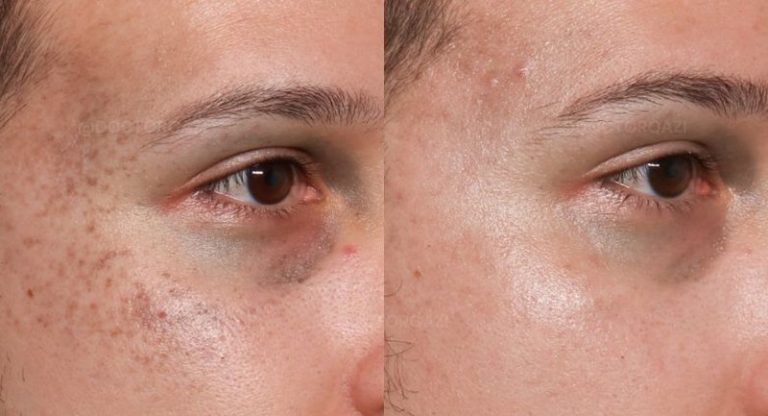
Sculptra Dermal Filler is not your average beauty enhancement. It’s a groundbreaking treatment that works not by filling in lines and wrinkles temporarily, but by revitalizing your skin’s very structure. Sculptra acts by stimulating your skin’s natural collagen production, gradually smoothing out wrinkles and restoring facial volume lost to aging. It’s a process that doesn’t just cover up signs of aging but reverses them from within, offering results that are as natural as they are long-lasting. This innovative approach to skin rejuvenation represents a shift towards treatments that enhance and work in harmony with your body’s natural processes.

Sculptra dermal filler represents a significant advancement in the field of aesthetic medicine, particularly in the realm of anti-aging treatments. Unlike traditional dermal fillers that primarily focus on immediate volume replacement, Sculptra operates on a unique principle, offering a more gradual, lasting improvement by stimulating the body’s natural collagen production. Let’s dive deeper into what makes Sculptra a sought-after option for those looking to rejuvenate their appearance with subtlety and longevity in mind.

The Science Behind Sculptra

Sculptra is made from poly-L-lactic acid (PLLA), a biocompatible, biodegradable synthetic substance that has been safely used in medical applications for decades, such as in dissolvable stitches. When injected into the deeper layers of the skin, Sculptra acts as a collagen stimulator, prompting the body to produce new collagen in the treated areas. This process gradually restores facial volume and smoothens out wrinkles and folds from within, rather than just filling them temporarily.

Gradual and Natural-Looking Results

One of the hallmark benefits of Sculptra is the natural-looking outcomes it delivers. Since the results develop gradually over several months as the body generates new collagen, the changes appear more subtle and natural compared to instant fillers. This makes Sculptra an excellent choice for individuals seeking anti-aging treatments that don’t dramatically alter their appearance overnight but rather enhance their features gently over time.

Longevity of Results

Another significant advantage of Sculptra is the longevity of its results. While the duration can vary from person to person, the effects of Sculptra can last up to two years or more in many cases, much longer than many other dermal fillers. This extended period of efficacy is due to the ongoing collagen regeneration process, which sustains the volume and elasticity improvements over time.

Versatile Applications

Sculptra’s ability to promote collagen production makes it versatile in addressing a range of aging signs and areas. It’s commonly used to treat deep lines, creases, and folds around the nose and mouth (nasolabial folds, marionette lines), the chin, and can also enhance facial contours that have become less defined due to aging. Additionally, Sculptra is used in non-facial areas, such as the buttocks (for a non-surgical butt lift) and to minimize the appearance of cellulite.

Ideal Candidates and Treatment Process

Ideal candidates for Sculptra are those looking to counteract the signs of aging, such as volume loss and wrinkles, through a gradual improvement process. The treatment involves a series of injections administered during a few sessions spread out over a few months. The gradual nature of the treatment allows for fine-tuning and adjustments, ensuring results that align with the patient’s aesthetic goals.

Safety and Considerations

Sculptra has a strong safety profile, with side effects typically limited to injection-related reactions such as swelling, redness, and bruising, which subside within a few days. It’s crucial, however, to choose an experienced injector who is familiar with the proper techniques and protocols for Sculptra treatments to minimize risks and achieve the best outcomes.

Miami: A Hub for Aesthetic Innovation

Miami, a city known for its vibrant culture and cutting-edge style, has become a focal point for the latest in aesthetic treatments. From bespoke skincare regimens to advanced body contouring techniques, Miami’s aesthetic clinics offer a sanctuary for those seeking to rejuvenate and enhance their appearance. The city’s top aestheticians and dermatologists are leveraging technologies and treatments that offer personalized solutions, catering to the unique needs and desires of their clientele. Whether it’s harnessing the power of laser technology to refresh the skin or exploring minimally invasive procedures for body sculpting, Miami stands at the forefront of aesthetic innovation.

Cutting-Edge Procedures and Technologies

Miami’s aesthetic clinics are renowned for their cutting-edge procedures that encompass a wide array of treatments designed to cater to various needs and preferences. From non-invasive skin rejuvenation techniques to advanced surgical enhancements, the city’s practitioners are skilled in the latest advancements in aesthetic medicine.

Laser Treatments and Skin Resurfacing: Utilizing state-of-the-art laser technology, clinics in Miami offer treatments that can reduce signs of aging, sun damage, and skin imperfections, promoting a youthful and radiant complexion.

Body Contouring and Sculpting: Advances in non-surgical and minimally invasive technologies have made body contouring more accessible and effective. Treatments like CoolSculpting, lipolysis, and ultrasound-based therapies are popular for shaping and refining the body without the need for invasive surgery.

Facial Enhancements: From dermal fillers like Sculptra to Botox and other neuromodulators, facial aesthetic treatments in Miami are designed to rejuvenate and enhance facial features, providing natural-looking results that align with each individual’s aesthetic goals.

Hair Restoration and Treatments: Innovative treatments, including PRP (Platelet-Rich Plasma) therapy and advanced hair transplant techniques, offer solutions for hair loss and thinning, helping individuals regain confidence in their appearance.

Personalized Wellness and Beauty Journeys

What sets Miami apart is not just the availability of advanced treatments but the personalized approach to aesthetic enhancement. Practitioners in Miami understand that each individual’s journey is unique, offering bespoke treatment plans that align with personal goals, lifestyles, and wellness journeys.

A Synergy of Culture and Aesthetics

Miami’s vibrant culture, diverse population, and dynamic lifestyle contribute to its status as an aesthetic treatment powerhouse. The city’s beauty standards are influenced by a blend of cultural perspectives on beauty, wellness, and self-care, making it a fertile ground for innovation in aesthetic treatments.

The Importance of Choosing the Right Practitioner

With the plethora of options available in Miami, selecting the right practitioner is crucial. Prospective clients are encouraged to research extensively, considering a practitioner’s credentials, reviews, and portfolio of work. Consultations provide an opportunity to discuss goals, expectations, and to develop a mutual understanding of the desired outcomes.

The Synergy of Science and Art

At the intersection of science and artistry lies the true essence of modern aesthetic treatments. It’s not merely about the application of a procedure but the skilled hands of practitioners who blend technical expertise with an artistic touch. The goal is to enhance one’s natural beauty, not to alter it beyond recognition. This philosophy is evident in treatments like Sculptra, where the outcome is a reflection of the individual’s inherent beauty, enhanced and brought to light through science.

Embracing Your Journey

Choosing to undergo aesthetic treatments, whether it’s Sculptra or any of the myriad options available in Miami, is a deeply personal decision. It’s about more than just aesthetics; it’s about embracing your journey towards self-confidence and well-being. With the guidance of skilled professionals and the support of cutting-edge treatments, that journey is more accessible and empowering than ever before.

In the heart of Miami, amidst its sunlit beauty and dynamic energy, individuals are discovering the power to redefine their beauty narratives. Through the transformative potential of Sculptra Dermal Filler and the innovative spirit of Miami’s aesthetic treatments, the future of beauty is unfolding—one where confidence and natural grace lead the way.

Introduction 

 your daily caloric needs are paramount. A Daily Calorie Calculator becomes your ally in this journey, helping you tailor your diet to meet specific goals. In this blog post, we’ll explore the significance of using a Daily Calorie Calculator and how it can empower you to achieve your fitness objectives.

Body (Approx. 400 words):

  1. Why Use a Daily Calorie Calculator?
  • People Also Ask:
    • How can a Daily Calorie Calculator benefit my health?
    • Is it necessary for weight loss or gain?
  • Answer:
    • A Daily Calorie Calculator provides a personalized estimate of the calories your body needs daily based on factors like age, weight, height, and activity level; this tool is a roadmap for your nutritional journey.
  1. How to Use a Daily Calorie Calculator
  • People Also Ask:
    • Are there different types of calculators for specific goals?
    •  Calculator?
  • Answer:
    • Using a Daily Calorie Calculator is straightforward. Input your details into the calculator, and it generates a daily caloric target. Trustworthy platforms like Fitbudd offer specialized calculators for weight loss, muscle gain, and maintenance. The accuracy of these tools lies in their scientific algorithms and extensive databases.
  1. Tailoring Your Diet to Your Goals
  • People Also Ask:
    • Should I focus more on macronutrients or overall calories?
    • Can I still enjoy my favorite foods within the calorie limit?
  • Answer:
    • Beyond just calories, the Daily Calorie Calculator can help you customize your macronutrient intake. It’s not about restriction but finding a balance. You can enjoy your favorite foods by incorporating them into your daily caloric allowance while ensuring overall nutritional adequacy.
  1. Adjusting for Physical Activity
  • People Also Ask:
    • How does exercise impact my daily calorie needs?
    • Can I eat more on days I work out?
  • Answer:
    • The Daily Calorie Calculator considers your activity level to provide a more accurate estimate. On exercise days, you may need more calories to fuel your body, so adjusting your intake ensures you meet both energy expenditure and recovery needs.

Conclusion 

A Daily Calorie Calculator is a valuable customization tool. B navigate your dietary choices with precision. Remember, it’s not about strict diets but creating a sustainable lifestyle that aligns with your objectives. Utilize tools like Fitbudd’s Daily Calorie Calculator to embark on a personalized and effective journey towards a healthier you.

Click here to explore Fitbudd’s Daily Calorie Calculator and kickstart your customized nutrition plan. For more fitness insights, visit Fitbudd.


The Roots of the Crisis: A Historical Overview

The crisis at Camp Lejeune began to unfold as early as the 1950s, when water sources at the military base became contaminated with hazardous chemicals. Over the decades, the base’s personnel and their families consumed and bathed in water that was laced with a toxic cocktail of industrial solvents, leading to a myriad of serious health issues.

  • The primary sources of contamination were two on-base water treatment facilities, Tarawa Terrace and Hadnot Point.
  • These facilities were found to be contaminated with volatile organic compounds (VOCs), including trichloroethylene (TCE), perchloroethylene (PCE), benzene, and vinyl chloride.

The contamination was not officially acknowledged until the 1980s, and it took even longer for the full extent of the environmental and health disaster to come to light. The water scandal at Camp Lejeune is now recognized as one of the worst cases of water contamination in U.S. history, with an estimated 750,000 to 1 million individuals potentially exposed to the tainted water over a period of 34 years.

Toxic Exposure: The Chemicals Involved

The water contamination at Camp Lejeune was a result of various chemicals leaching into the groundwater, which was then used as the base’s water supply. Over the decades, the primary contaminants identified were volatile organic compounds (VOCs), including trichloroethylene (TCE), perchloroethylene (PCE), benzene, and vinyl chloride.

  • Trichloroethylene (TCE): Used as a metal degreaser, TCE is a clear liquid with a sweet odor. It is known to be carcinogenic to humans and has been linked to health issues such as kidney cancer, non-Hodgkin lymphoma, and liver problems.
  • Perchloroethylene (PCE): Commonly used in dry cleaning, PCE exposure can affect the central nervous system and may lead to conditions like bladder cancer and multiple myeloma.
  • Benzene: This colorless or light yellow liquid is used in the manufacture of plastics, resins, and synthetic fibers. Benzene exposure is associated with a range of health effects, including leukemia and other blood disorders.
  • Vinyl Chloride: Primarily used to make PVC, exposure to vinyl chloride can result in liver damage, including hepatic angiosarcoma, a rare form of liver cancer.

The extent of the contamination and the prolonged exposure period significantly increased the risk of developing serious health conditions for those living or working at the Camp Lejeune Marine Corps Base. The affected populations included Marines, their families, and civilian employees, with the water systems being contaminated from 1953 to 1987. This tragic episode has led to legal options and VA benefits for those impacted by the toxic exposure.

The Scale of Impact: Affected Populations and Time Frame

The water contamination at Camp Lejeune has cast a long shadow over multiple generations of Marines, their families, and civilian employees. The crisis unfolded over decades, with the most significant exposure period identified between the 1950s and 1980s. During this time, an estimated one million individuals may have been exposed to the harmful chemicals present in the water supply.

  • The primary affected population includes active-duty Marines stationed at the base, many of whom lived there with their families.
  • Civilian employees working at Camp Lejeune also faced exposure, as did visitors and contractors who spent time on the base.
  • The repercussions of this exposure have been intergenerational, with health impacts reported in children born to those who lived or worked at the base during the contamination period.

The full extent of the impact is difficult to quantify, as health effects from exposure to the contaminants can take years to manifest. The tragedy at Camp Lejeune is a stark reminder of the importance of environmental vigilance and the need for robust health monitoring systems for military personnel and their dependents.

The Psychological Impact on Marines and Their Families

Bearing the Burden: Emotional Responses to the Scandal

The emotional toll of the Camp Lejeune water scandal on Marines and their families is profound and multifaceted. The revelation of long-term toxic exposure has led to a range of psychological responses, from shock and disbelief to anger and profound grief.

  • Shock and Disbelief: Initially, many could not fathom that the water they trusted was tainted, leading to a sense of betrayal by the institution they served.
  • Anger: As the reality set in, frustration and anger emerged, directed at those responsible for the oversight and the perceived lack of transparency.
  • Grief: The loss of health, and in some cases, the loss of loved ones, has resulted in deep mourning within the community.

The struggle to come to terms with the health implications and the uncertainty about the future continues to weigh heavily on those affected. The emotional burden is compounded by the challenges of navigating the legal and healthcare systems in search of recognition and support.

Long-Term Mental Health Consequences

The water contamination scandal at Camp Lejeune has left a lasting imprint on the mental health of many Marines and their families. The trauma of learning that one’s health or the health of loved ones may have been compromised due to toxic exposure has led to a range of long-term psychological issues.

  • Chronic stress and anxiety are common among those affected, as they grapple with the uncertainty of potential health repercussions.
  • Depression has been reported at higher rates in this population, often linked to the distress of dealing with chronic illnesses or the loss of fellow Marines.
  • Post-traumatic stress disorder (PTSD) is also prevalent, particularly among those who have experienced the loss of a child or spouse due to illnesses related to the contamination.

Support groups and mental health services have become vital for many survivors, providing a space to share experiences and seek solace among peers. However, the need for more comprehensive mental health care and recognition of the full scope of the emotional toll remains a pressing issue.

Support Systems and Coping Mechanisms

In the wake of the Camp Lejeune water contamination scandal, marines and their families have sought solace and support through various channels. The emotional toll of the crisis necessitated the development of robust support systems to help those affected cope with the long-lasting effects of toxic exposure.

  • Peer Support Groups: Many have found strength in peer support groups, where they can share experiences and feelings with others who understand their plight. These groups provide a safe space for open dialogue and mutual support.
  • Counseling Services: Professional counseling services have been instrumental in addressing the psychological trauma. Therapists specializing in environmental disasters and military life have offered tailored support to help individuals and families navigate their emotional landscapes.
  • Online Communities: The digital age has enabled the creation of online communities that offer 24/7 support. These platforms allow for the exchange of information, emotional support, and advocacy efforts, connecting those affected regardless of their physical location.
  • Military and VA Resources: The military and the Department of Veterans Affairs have implemented programs aimed at assisting those impacted by the scandal. These include healthcare services, mental health initiatives, and financial assistance programs designed to alleviate some of the burdens faced by the victims.

The establishment of these coping mechanisms has been a critical component in the healing process for many. As the community continues to grapple with the fallout of the scandal, these support systems stand as pillars of hope and resilience.

The Fight for Justice and Recognition

Legal Battles: The Road to Compensation

The quest for justice for the victims of the Camp Lejeune water contamination has been a protracted and complex legal struggle. Over the years, numerous lawsuits have been filed against the federal government, seeking compensation for the health issues attributed to the toxic water exposure.

Key milestones in the legal journey include:

  • The initial filing of claims by affected individuals and families.
  • The rejection of many claims under the Feres doctrine, which precludes service members from suing the government for injuries deemed incidental to military service.
  • The passing of the Camp Lejeune Families Act of 2012, which provided healthcare benefits but not compensation for those affected.
  • The ongoing push for broader legislation that would allow for direct compensation and overcome the limitations imposed by the Feres doctrine.

Despite the legal hurdles, the determination of the Marines, their families, and their advocates has kept the fight alive. The legal battles have not only sought financial redress but also aimed to hold the government accountable and ensure such a tragedy is never repeated.

Advocacy and Awareness: Voices from the Front Lines

The fight for justice at Camp Lejeune has been amplified by the voices of those directly affected by the water contamination scandal. Marines, their families, and civilian employees have become vocal advocates, demanding accountability and change. Their stories, shared through various media outlets and public forums, have raised public consciousness about the environmental and health issues military communities may face.

Key figures have emerged within the advocacy movement, leading campaigns and organizing events to keep the conversation alive. These individuals and groups have been instrumental in:

  • Coordinating community meetings to share information and support
  • Engaging with lawmakers to push for policy reforms
  • Partnering with environmental and health organizations to amplify their message

The collective efforts of these frontline advocates have not only provided a support network for those suffering but have also played a crucial role in the legislative victories that have been achieved. Their relentless pursuit of justice serves as a beacon of hope for current and future generations of military personnel and their families.

Policy Changes and Preventative Measures

In the wake of the Camp Lejeune water scandal, significant policy changes and preventative measures have been implemented to ensure such a tragedy is never repeated. These include:

  • Enhanced Environmental Oversight: Military bases now undergo rigorous environmental assessments to detect any potential hazards early on.
  • Strict Water Quality Standards: The adoption of stricter water quality standards aims to protect against harmful contaminants.
  • Transparent Reporting Systems: A commitment to transparency ensures that any issues are reported promptly to the affected communities.
  • Health Monitoring Programs: Long-term health monitoring programs have been established for those potentially exposed to toxic substances.

These reforms reflect a broader shift towards accountability and proactive health management within military institutions. As part of this commitment, the Comprehensive Environmental Response, Compensation, and Liability Act (CERCLA) has been a pivotal legal framework, empowering Camp Lejeune survivors to seek damages for illnesses linked to water contamination. Legal counsel can assist in filing claims for compensation under the Camp Lejeune Justice Act (CJLA). For those affected, resources are available, including legal support to navigate the complexities of such claims. For instance, a call to 516-932-0400 offers a free consultation for those seeking guidance.

The Role of the Military in Addressing the Aftermath

Institutional Accountability and Responsibility

The Camp Lejeune water scandal has thrust the military’s role in safeguarding the health of its service members into the spotlight. The demand for institutional accountability and responsibility is a clarion call from affected Marines and their families, who seek not only recognition of the past wrongs but also a commitment to systemic change.

Key elements of accountability include:

  • Transparent reporting of environmental hazards
  • Rigorous monitoring and compliance with safety standards
  • Swift action to mitigate risks and prevent future incidents

The military has been tasked with the monumental challenge of restoring trust. This involves a thorough review and overhaul of existing policies and procedures to ensure that the health and well-being of all service members are prioritized. It also requires a cultural shift within the institution, promoting an environment where safety concerns are taken seriously and addressed promptly. The path to rebuilding confidence is long, but it is a necessary journey for the military to make amends and protect its ranks.

Healthcare Initiatives for Veterans and Families

In the wake of the Camp Lejeune water contamination scandal, the military has taken significant steps to address the healthcare needs of veterans and their families. Recognizing the long-term health effects caused by exposure to toxic chemicals, a range of healthcare initiatives have been implemented to provide support and treatment for those affected.

  • Comprehensive Health Screenings: Regular health screenings are now available to identify and address potential illnesses related to toxic exposure.
  • Specialized Treatment Programs: Medical facilities have developed specialized programs to treat conditions commonly associated with chemical exposure, such as cancer and reproductive issues.
  • Mental Health Services: Understanding the psychological toll, counseling and mental health services have been expanded to help veterans and family members cope with the trauma.
  • Outreach and Education: Efforts have been made to inform affected individuals about available healthcare options and the importance of early detection and treatment.

These initiatives represent a commitment to the well-being of those who have served and their loved ones, ensuring they receive the care and attention they deserve. The military’s proactive approach aims to not only provide immediate relief but also to prevent future health crises among its ranks.

Educational Programs and Resources

In the wake of the Camp Lejeune water scandal, the military has recognized the necessity of educating its personnel and their families about environmental hazards and health risks associated with military life. A variety of educational programs and resources have been developed to increase awareness and promote safety.

Key initiatives include:

  • Awareness Campaigns: These campaigns are designed to inform service members and their families about potential environmental risks on military bases and the importance of early detection of health issues.
  • Health and Safety Workshops: Workshops provide practical information on how to navigate healthcare concerns and advocate for proper medical attention when exposed to hazardous substances.
  • Online Resources: The military has created online portals that offer access to a wealth of information regarding health risks, including detailed reports on past incidents and current safety measures in place.

These educational efforts are part of a broader strategy to foster a culture of transparency and proactive health management within the military community. By equipping marines and their families with knowledge and resources, the military aims to mitigate the risk of future tragedies and empower individuals to take charge of their health and well-being.

Healing and Hope: Moving Beyond the Tragedy

Community Resilience and Recovery Efforts

In the wake of the Camp Lejeune water scandal, the affected communities have demonstrated remarkable resilience. Grassroots organizations have emerged, spearheaded by veterans and family members, to provide mutual support and advocate for those impacted by the contamination. These groups have been instrumental in fostering a sense of solidarity and shared purpose among survivors.

Key recovery efforts include:

  • Establishing support networks that offer emotional and practical assistance.
  • Organizing community events to raise awareness and promote healing.
  • Collaborating with environmental and health experts to monitor ongoing risks and ensure safe living conditions.

Despite the challenges, these communities have shown an unwavering commitment to rebuilding and healing. The collective action taken by the residents not only underscores their tenacity but also serves as a beacon of hope for other communities facing similar adversities.

Memorials and Remembrance: Honoring the Affected

In the shadow of the Camp Lejeune water scandal, memorials and acts of remembrance serve as poignant tributes to those who suffered. Communities have come together to erect monuments and hold ceremonies that not only commemorate the victims but also offer a space for collective healing and reflection. These gestures of remembrance are vital in acknowledging the pain endured by countless Marines and their families.

The establishment of annual observances and the dedication of physical memorials at Camp Lejeune and beyond are instrumental in keeping the memory of the affected alive. They also play a crucial role in educating the public about the consequences of the contamination and the importance of vigilance in environmental safety. It is through these acts of honor that the legacy of the victims continues to influence positive change and awareness.

Amidst these efforts, it is essential to remain vigilant against exploitation. The Camp Lejeune Justice Act allows individuals, including Veterans, to file claims with the Department of the Navy. However, it is important to be aware of fraudulent schemes that may target those seeking justice. The community’s commitment to integrity in the fight for recognition and compensation is as steadfast as its dedication to remembrance.

The Path Forward: Lessons Learned and Future Outlook

The Camp Lejeune water scandal has left an indelible mark on the Marine community, but it has also paved the way for critical lessons and changes. As the affected individuals and their families look to the future, several key takeaways have emerged:

  • Vigilance and Transparency: There is a consensus on the need for rigorous environmental monitoring and transparent reporting systems to prevent similar tragedies.
  • Policy Reform: The incident has catalyzed a push for stronger regulations and oversight of military facilities to safeguard the health of service members and their dependents.
  • Healthcare Access: Ensuring that veterans and their families have access to comprehensive healthcare services, including mental health support, is paramount.
  • Community Engagement: Active involvement of the community in decision-making processes has been recognized as essential for fostering trust and resilience.

Looking ahead, the military and governmental agencies are tasked with the responsibility of not only rectifying past oversights but also setting a precedent for proactive measures. The establishment of memorials and remembrance events serves as a constant reminder of the past, while educational initiatives aim to inform and empower future generations. The path forward is one of healing, learning, and unwavering commitment to the well-being of those who serve and their loved ones.

Introduction:

Welcome to Medcare, your partner in comprehensive healthcare in Dubai. In our commitment to your well-being, we shed light on the nuanced symptoms of kidney stones and the intricacies of gallbladder stones. Explore with us as we delve into early recognition and effective management of these common yet challenging conditions.

Section 1: Crystalline Woes – Understanding Kidney Stone Symptoms

The Silent Agony of Kidney Stones

Kidney stones, though small in size, can cause immense discomfort. At Medcare, we emphasize early recognition of kidney stone symptoms to ensure prompt intervention. Understanding the signs can be crucial in alleviating pain and preventing complications.

Recognizing Key Symptoms

Explore the subtleties of kidney stone symptoms, ranging from back or abdominal pain to changes in urine color. Medcare urges individuals to be vigilant about symptoms like frequent urination, nausea, and blood in urine. Our healthcare professionals guide you through the maze of indicators, facilitating timely intervention.

Diagnostic Precision for Targeted Care

Medcare’s approach to kidney stone management involves precise diagnostics. Through advanced imaging techniques and comprehensive laboratory assessments, our specialists pinpoint the size and location of kidney stones. This allows for tailored treatment plans that prioritize your comfort and recovery.

Section 2: Gallbladder Stones – Navigating the Path to Gallbladder Health

Decoding Gallbladder Stones

Gallbladder stones can disrupt digestive harmony, necessitating a nuanced understanding of symptoms. Medcare stands as a beacon in gallbladder health, providing insights into the symptoms and proactive measures to mitigate their impact.

Unmasking Gallbladder Stone Symptoms

Explore the multifaceted symptoms associated with gallbladder stones, including abdominal pain, nausea, and bloating. Medcare encourages individuals to be aware of factors like persistent indigestion and discomfort in the upper abdomen, which may signify gallbladder issues. Recognizing these symptoms early on is pivotal for effective management.

Comprehensive Gallbladder Stone Management

At Medcare, our gallbladder stone management goes beyond symptom relief. Our specialists employ a holistic approach, combining medical and dietary interventions to address the root cause. Whether through medications or minimally invasive procedures, Medcare ensures a personalized plan tailored to your specific condition.

Conclusion: Empowering Your Health Journey with Medcare

Embark on a journey to optimal renal and gallbladder health with Medcare, where expertise meets empathy. Whether you seek insights into kidney stone symptoms or proactive measures against gallbladder stones, our dedicated teams are committed to your well-being.

Choose Medcare – your guide to comprehensive healthcare in Dubai, where we prioritize early recognition, precision diagnostics, and personalized care to pave the way for a healthier, happier life.

Introduction:

Embarking on a journey to Abu Dhabi requires meticulous planning, including understanding the visa screening process and ensuring access to quality healthcare. In this guide, we explore the essential aspects of visa screening in Abu Dhabi and the healthcare landscape, focusing on the world-class services offered by Abu Dhabi hospitals.

Visa Screening in Abu Dhabi: A Seamless Process

Understanding Visa Categories

Before setting foot in Abu Dhabi, it’s crucial to grasp the intricacies of visa categories. Whether you’re a tourist, expatriate, or seeking medical treatment, our guide provides an overview of the various visas available, ensuring a smooth entry into this vibrant city.

Visa Screening Requirements

Navigating the visa screening process is simplified at Reem Hospital. We outline the specific requirements, from documentation to health screenings, providing a comprehensive understanding of the steps involved. Our commitment to transparency ensures that individuals can confidently navigate the process, whether for medical purposes or other endeavors.

Abu Dhabi Hospitals: A Hub of Excellence in Healthcare

Diverse Specialties and Comprehensive Services

Abu Dhabi boasts a healthcare landscape characterized by a myriad of specialties and comprehensive services. Explore the diverse range of medical facilities available, emphasizing the commitment to delivering world-class healthcare. Reem Hospital, as a leading institution, stands out for its excellence in medical care across various specialties.

State-of-the-Art Facilities and Expertise

Delve into the state-of-the-art facilities that define Abu Dhabi hospitals, showcasing cutting-edge technologies and a commitment to patient-centric care. Reem Hospital, in particular, aligns with international standards, offering a blend of expertise and advanced medical infrastructure to ensure optimal patient outcomes.

III. Reem Hospital: Your Trusted Partner in Abu Dhabi

Visa Screening Assistance

At Reem Hospital, we understand the importance of a hassle-free entry process. Our dedicated team assists individuals in navigating visa screenings, ensuring that the necessary health requirements are met, paving the way for a seamless transition into Abu Dhabi.

Exceptional Healthcare Services

Experience healthcare excellence at Reem Hospital, where our commitment to patient well-being is unwavering. From preventive care to advanced treatments, our multidisciplinary approach ensures comprehensive healthcare services. Discover how Reem Hospital goes beyond expectations, providing a healing environment that prioritizes both physical and emotional well-being.

Conclusion:

Embarking on a journey to Abu Dhabi involves careful consideration of visa screening and access to superior healthcare. Reem Hospital emerges as a trusted ally, simplifying the visa process and offering unparalleled medical services. Whether you are a newcomer or a resident, Reem Hospital stands as a beacon of healthcare excellence in Abu Dhabi, ensuring your well-being every step of the way.


Choosing the right nursing home is a critical decision that requires a thorough understanding of the individual’s needs and preferences. It’s essential to consider several factors to ensure that the chosen facility can provide the appropriate level of care and quality of life.

Assessing the Level of Care Required

Begin by evaluating the medical, physical, and emotional needs of the potential resident. Different facilities offer varying levels of care, from independent living to skilled nursing care. Consider whether the individual requires assistance with daily activities, medical monitoring, or specialized care for conditions such as dementia.

Considering Location and Accessibility

The location of the nursing home is crucial for family visits and the resident’s sense of community. Look for facilities that are easily accessible and close to important amenities. Proximity to hospitals and clinics should also be taken into account for residents requiring regular medical appointments.

Evaluating Amenities and Services

A nursing home should offer more than just basic care; it should enhance the resident’s quality of life. Explore the amenities and services provided, such as recreational activities, physical therapy, dietary options, and religious services. Ensure that these align with the resident’s interests and needs.

Respecting Cultural and Lifestyle Choices

It’s important to honor the cultural and lifestyle preferences of the individual. Seek out nursing homes that respect and cater to these preferences, whether they relate to language, food, religious practices, or social activities. A supportive environment that acknowledges individuality can significantly impact the resident’s happiness and well-being.

In the process of selecting a nursing home, it’s also vital to be aware of the potential for abuse and neglect. The NHAC aims to protect seniors from abuse in nursing homes through education, legal support, and identifying signs of neglect. Legal recourse and specialized lawyers help victims seek justice.

Researching Potential Nursing Homes

When embarking on the journey to find the right nursing home, thorough research is paramount. It’s not just about finding a place with a bed available; it’s about finding a home that will cater to the individual needs and preferences of the resident, ensuring their well-being and happiness.

Utilizing Online Resources and Reviews

The internet is a treasure trove of information. Prospective residents and their families can start by:

  • Searching for nursing homes in the desired area
  • Reading reviews from current and former residents and their families
  • Looking at the facility’s website for virtual tours and detailed service descriptions

It’s important to take online reviews with a grain of salt, as they can be subjective. However, they can provide valuable insights into the experiences of others.

Seeking Recommendations from Healthcare Professionals

Healthcare professionals often have a wealth of knowledge about local nursing homes. They can provide:

  • Insights into which facilities have the best reputations
  • Information on which homes specialize in certain types of care
  • Personal experiences with facilities where they have referred patients in the past

Their recommendations can be a crucial part of the decision-making process.

Checking State and Federal Quality Ratings

Nursing homes in the United States are regularly inspected and rated by state and federal agencies. These ratings are based on:

  • Health inspections
  • Staffing levels
  • Quality of care measures

These ratings are publicly available and can be a reliable indicator of a facility’s overall quality.

Visiting Facilities in Person

While online research and recommendations are helpful, there is no substitute for a personal visit. When visiting a nursing home, one should:

  • Observe the cleanliness and maintenance of the facility
  • Pay attention to how staff interact with residents
  • Ask about resident activities and community engagement
  • Inquire about meal options and dining arrangements

A personal visit can provide a sense of the atmosphere and whether it feels like the right fit for the potential resident.

Evaluating the Cost and Financial Options

When Choosing the right nursing home, understanding the financial implications is crucial. The cost of long-term care can be significant, and it’s important to have a clear picture of the expenses involved.

Understanding the Pricing Structures

Nursing homes typically have various pricing structures, including all-inclusive rates or fees for individual services. It’s essential to get a detailed breakdown of what is included in the monthly cost and what might be additional.

Exploring Insurance and Medicare/Medicaid Coverage

Many residents rely on insurance and government programs like Medicare or Medicaid. Each program has specific coverage limits and requirements, so it’s important to determine eligibility and understand what is covered.

Considering Long-Term Affordability

The cost of care can increase over time, especially if the resident’s needs change. Projecting future costs and considering the resident’s financial resources will help in assessing long-term affordability.

Investigating Financial Assistance Programs

For those who may not have sufficient funds or insurance, there are financial assistance programs available. These can include state-specific programs, non-profit organizations, and other resources designed to help cover the costs of care.

In the context of financial planning, it’s also important to be aware of the risks of elder abuse in long-term care facilities, which can sometimes involve financial exploitation. While government regulations are in place to address this issue, vigilance is necessary to ensure the safety and well-being of residents.

Ensuring Quality of Care and Safety

Ensuring the quality of care and safety in a nursing home is paramount for the well-being of residents. This involves a thorough evaluation of several critical aspects.

Reviewing Staff Qualifications and Ratios

When considering a nursing home, it’s essential to look into the qualifications of the staff, including their education, training, and experience in elder care. Additionally, the staff-to-resident ratio is a key indicator of the level of attention and care residents will receive. A higher ratio often means more personalized care and better response times to resident needs.

Monitoring Health and Safety Standards

Health and safety standards are the backbone of a secure environment for the elderly. Regular monitoring of these standards helps ensure that the facility adheres to state and federal regulations. This includes cleanliness, maintenance of the premises, and proper administration of medication.

Understanding Resident Rights and Advocacy

Residents have rights that must be respected and protected. These rights include privacy, autonomy, and participation in their own care planning. It’s also important for residents and their families to know about advocacy groups and resources that can assist in the event of any issues.

Observing Resident and Staff Interactions

Observing interactions between staff and residents can provide valuable insights into the care environment. Positive, respectful, and compassionate interactions are indicative of a healthy living environment, while negative interactions may be a red flag for potential issues.

In addition to these considerations, it is crucial for families to be vigilant about the signs of abuse and neglect. The website covers various forms of elder abuse, neglect, and injuries in nursing homes, emphasizing signs of abuse, legal actions, and statistics. Government oversight and family vigilance are crucial in preventing and addressing these serious concerns.

Making the Final Decision

Choosing the right nursing home is a significant decision that impacts the well-being and happiness of the potential resident. It requires careful consideration of various factors to ensure that the final choice aligns with the needs, preferences, and financial situation of the individual.

Comparing Your Top Choices

After thorough research and visits, it’s important to compare the top choices. Make a list of pros and cons for each facility, considering aspects such as the level of care, staff interactions, and the overall environment. This comparison should reflect the priorities identified earlier in the decision-making process.

Involving Family and the Potential Resident

The decision should be a collaborative effort involving family members and, most importantly, the potential resident. Their comfort and opinion are paramount, and they should feel empowered in the decision-making process. Discuss the options openly and ensure that their voice is heard and respected.

Preparing for the Transition

Once a nursing home is selected, preparing for the transition is crucial. This involves organizing personal affairs, medical records, and planning the move. It’s also a time to establish a support system to help the resident adjust to their new home.

Knowing When to Reevaluate Your Choice

It’s essential to recognize that needs may change over time. Be prepared to reevaluate the nursing home choice if the resident’s needs are not being met or if there are concerns about the quality of care. Signs of nursing home neglect, such as unexplained injuries or changes in behavior, should be taken seriously and addressed immediately.

Hey, lovely beauties! Are you ready to amp up your lash game and dazzle the world with your stunning eyes? Well, get excited because Stickyyyyy by U’NUCO is here to make your lash dreams a reality!

Introducing Stickyyyyy: Your Lash’s New Bestie

Let’s jump right into what makes Stickyyyyy the ultimate game-changer for your beauty routine. Whether you’re a lash aficionado or just dipping your toes into the world of falsies, Stickyyyyy is your secret weapon for flawless, long-lasting lashes. Here’s why Stickyyyyy deserves a prime spot in your makeup bag:

  • Effortless Application, Flawless Hold: Tired of struggling with messy lash glue and lashes that won’t stay put? Say goodbye to those frustrations with Stickyyyyy! Our precision applicator makes applying your lashes a breeze, while the powerful formula ensures a secure hold that lasts all day and night. From morning meetings to late-night adventures, Stickyyyyy has your back!
  • Options for Every Style: We believe that beauty is all about self-expression, which is why Stickyyyyy comes in two fabulous variations: clear and black. Whether you’re going for a natural, understated look or full-on glamour, Stickyyyyy has got you covered. It’s time to unleash your inner lash queen and rock any look with confidence!

Common Lash Application Mistakes (and How to Avoid Them!)

Let’s face it – we’ve all made some rookie mistakes when it comes to applying lashes. Here are a few common blunders to avoid:

  1. Using Too Much Glue: Less is more, babes! Applying too much glue can lead to messy, clumpy lashes. Instead, opt for a thin, even layer of glue along the lash band for a seamless finish.
  2. Skipping the Wait Time: Patience is key! After applying the glue to your lashes, wait 30-60 seconds for it to become tacky before applying them to your lash line. This helps ensure a secure hold and prevents your lashes from slipping and sliding.
  3. Forgetting to Trim Your Lashes: One size does not fit all when it comes to false lashes! Be sure to trim your lashes to fit your eye shape before applying them. This ensures a comfortable fit and prevents any poking or discomfort.
  4. Avoiding Lash Tweezers: Lash tweezers are your secret weapon for precise application! Using tweezers allows for greater control and helps ensure that your lashes are placed exactly where you want them for a flawless finish every time.

Discover Stickyyyyy at Our Online Store

Ready to take your lash game to the next level? Head over to our online store and treat yourself to a bottle of Stickyyyyy today. Plus, be sure to join our mailing list for exclusive offers, beauty tips, and more! With Stickyyyyy in your beauty arsenal, you’ll be unstoppable! With Stickyyyyy by your side, you’ll be slaying the day away with flawless lashes that turn heads and boost your confidence. Here’s to embracing your inner lash queen and making every day a fabulous lash day – because with Stickyyyyy, anything is possible!

Kratom has become increasingly popular in recent years for its ability to provide a range of benefits, from boosting energy and improving focus to relieving pain and enhancing mood. One of the keys to getting the most out of kratom is through proper strain rotation.

Kratom strain rotation refers to the practice of switching between different strains or veins of kratom, rather than using the same strain repeatedly. There are three main veins, or varieties, of kratom: red, white, and green. Within those veins, there are many different strains that each offer distinctive effects. For example, Red Bali kratom is known for providing sedation and pain relief, while White Maeng Da delivers stimulating energy. By rotating between strains, you avoid developing a tolerance to any specific alkaloid profile. This helps maximize the benefits and keeps the effects fresh.

Why is strain rotation important?

  • Prevents tolerance build-Up – Frequent use of one specific kratom strain leads to your body developing a tolerance to that strain’s unique alkaloid makeup. This diminishes the benefits over time. Rotating strains keep alkaloid levels diverse.
  • Maintains potency – By providing your body with different stimuli with varied strains, you’re less likely to experience diminished effects or the need to increase dosage over time. The potency and intensity of effects remain stable.
  • Reduces dependence – Developing a dependence on any one specific kratom variety also increases the odds of withdrawal symptoms if you abruptly stop use. Rotating kratom strains decreases this risk.
  • Enhances experience – Blending up your kratom routine with an array of strains keeps the experience novel, interesting, and engaging. You get to discover new favorite strains and effects.

How to create an effective kratom rotation schedule?

  • Use 3-5 unique strains – Rotating between 3-5 completely different strains ensures enough variety to prevent tolerance. Having a selection of reds, greens, and whites is ideal.
  • Change strains daily – Swapping out strains daily is more effective than switching weekly or monthly. Shorter cycles between rotations keep alkaloid levels diverse.
  • Include rest days – Taking regular “off days” from kratom use gives the body a reset and helps lower tolerance build up between rotations. 1-2 rest days per week is recommended.
  • Track effects – Keeping a log to document the effects and experience of each strain helps inform future rotations. You’ll discover which strains work best for your needs.
  • Maintain stable dosing – Resist the urge to increase dosage for diminished effects. Stick with a steady dose and instead change up strains to combat tolerance issues.
  • Stay hydrated – Drinking plenty of water prevents dehydration, a common side effect that increases negative reactions. Keep buy kratom cycles side effect-free.

Sample kratom rotation schedule

Here’s an example 5-day rotation schedule using 5 popular strains:

  • Monday – Red Bali (sedating, pain relief)
  • Tuesday – Green Maeng Da (energizing, cognitive boost)
  • Wednesday – Rest Day
  • Thursday – White Borneo (uplifting mood, focus)
  • Friday – Red Thai (relaxing, anxiety relief)
  • Saturday – Rest Day
  • Sunday – Green Malay (moderate energy, euphoria)

This schedule provides a balance of red, white, and green veins with rest days in between. The diversity prevents tolerance while allowing you to target different needs on different days.

Botox, a revolutionary treatment in the realm of cosmetic procedures, has become increasingly popular for its ability to reduce the appearance of fine lines and wrinkles. With its growing popularity, many individuals wonder at what age they should consider starting Botox treatments. This blog aims to shed light on the appropriate timing for beginning Botox, taking into account factors such as individual skin concerns, preventative measures, and overall skin health.

Botox and Its Benefits

Before delving into the best age to start Botox, it’s essential to understand what Botox is and how it works. Botox, or Botulinum toxin, is a neurotoxic protein that, when injected in small doses, temporarily paralyzes muscles, reducing the appearance of wrinkles and preventing the formation of new ones. Its ability to smooth the skin and provide a more youthful appearance has made it a sought-after treatment for those looking to combat signs of aging.

The Debate on the Right Age to Start Botox

When considering Botox, there’s no one-size-fits-all answer regarding the best age to start. The decision is highly individualized, depending on various factors, including genetic predisposition to wrinkles, lifestyle, and personal cosmetic goals.

Early to Mid-20s

The concept of preventative Botox has gained traction among individuals in their early to mid-20s. The idea is to start Botox treatments before the formation of deep-set wrinkles, effectively delaying the onset of visible aging signs. While not everyone in this age group needs Botox, those who notice early expression lines or have a strong family history of wrinkles might consider it as a preventative measure.

Preventative Botox can be particularly beneficial for individuals who are starting to see faint lines from repeated facial expressions, such as frowning or squinting. By relaxing these muscles early on, Botox can help maintain a youthful appearance for longer.

Late 20s to Early 30s

Many experts suggest that the late 20s to early 30s is a common time for individuals to begin considering Botox. During this period, the first signs of aging, such as crow’s feet, forehead lines, and frown lines, become more pronounced and may not disappear as quickly as they once did.

Starting Botox treatments at this stage can be effective in smoothing out existing lines and preventing deeper wrinkles from forming. It’s a proactive approach to maintaining skin’s youthful elasticity and minimizing the need for more invasive procedures later on.

40s and Beyond

Botox remains an effective treatment for individuals in their 40s and beyond addressing more visible signs of aging. At this age, the skin naturally loses collagen and elasticity, making wrinkles and fine lines more pronounced. Botox can significantly improve the appearance of these aging signs, offering a rejuvenated look.

It’s never too late to start Botox treatments, and many find that incorporating Botox into their skincare regimen in their 40s and beyond helps restore confidence and satisfaction with their appearance.

Key Considerations Before Starting Botox

Before deciding to start Botox, it’s crucial to consult with a qualified and experienced practitioner. They can assess your skin’s condition, discuss your cosmetic goals, and recommend a personalized treatment plan. Additionally, consider your motivations for seeking Botox and ensure they align with a healthy perspective on aging and self-image.

Conclusion

There’s no universal age that’s deemed “right” for everyone to start Botox. The decision should be based on individual factors, including the condition of your skin, genetic predispositions, and personal goals. Whether you’re considering preventative Botox in your 20s or looking to address more significant signs of aging later in life, the key is to approach Botox with informed expectations and under the guidance of a professional. Remember, the goal of Botox is to enhance your natural beauty and confidence at any age.

Now that digitalization is expected, you must know how to order medicines online conveniently. Ordering medications online is easier because there are now websites and mobile applications for you to use. Besides the discounted prices, the authenticity and easy deliveries make online pharmacies suitable for everyone. Learning some tips helps you buy medicines online and know what dosage you must get. It enables you to get the proper medication, especially when looking for the appropriate valium dosage.

Check the quality

Most illegal websites use suitable language with many grammatical mistakes and errors. An excellent online pharmacy will ensure the language they are using is constantly updated and comes along with the flow of the website. When the text is in a foreign language, it is way better to stay away from websites because they need help to trust and buy medicines online.

Be wise

You are being wise means using common sense when ordering medicines online. Sometimes you are looking for where to buy viagra in pharmacies, and what most people do is they order online. You must know the authenticity of the medication by looking at the website. It also helps when you check the medicines you want to buy to get an estimated price when they are sold online.

Offer discounts

Most online pharmacies are giving you a range of discounts. When the website offers you discounts, it will show the store’s authenticity. Before you buy medicines online from a specific website, you must compare and look at which pharmacy offers an affordable price. It benefits your budget and health when the treatment is still expensive after the discount. You must do some research to find the right price of the medicine before you make any payment.

Wait for verification

Most online stores will ask you to give a prescription before you get your medicines, only if you buy over-the-counter medications. You must think that online pharmacies ask you to do it because some online medicine fraud is happening. It will ensure the drugs are delivered to real customers to avoid malpractice. Even if it is a bit of work, uploading your prescription and the verification are necessary for the authenticity of the online pharmacy.

Cancellation policy

Before ordering the medicine, you must check the online pharmacy’s cancellation policy. Most of them have a flexible cancellation policy before the delivery is made. You have to know more about the policy even after your order is successfully delivered to your house. The policy must show how the process will work, and you will lose your money when the order is canceled.

When you keep everything in mind, you will have a safe online shopping experience when you buy your medicine. The delivery of the medication to your home shows you that you are buying from an authentic online pharmacy, which you will benefit from. Getting the correct dosage in ordering medicine is essential for those ill patients. You will think that buying from a safe online pharmacy gives you a healthier life.