Author

Clare Louise

Browsing

Clear protein is a refined protein supplement designed to deliver amino acids in a lighter, water-based format with faster digestion characteristics. It differs from traditional protein powders in texture and composition.

Most formulations use hydrolyzed whey protein isolate. This process breaks protein into smaller peptides, which improves absorption speed. The result is a clear, juice-like drink instead of a thick shake. Many users prefer this format for ease of consumption.

Composition and Nutritional Profile

Clear protein products focus on purity and reduced complexity. They contain high protein content with minimal fats and carbohydrates. The hydrolysis process removes excess lactose and improves digestibility. This makes the product suitable for individuals with mild lactose sensitivity. Flavor systems often rely on fruit-based profiles instead of dairy flavors. This approach improves palatability during frequent use.

Key composition features include:

  • Hydrolyzed whey protein isolate as the primary source
  • Low fat and carbohydrate content
  • Minimal lactose levels
  • Added flavoring agents for taste
  • Fast-mixing, water-soluble formulation

These elements define the product’s structure and nutritional value.

Absorption and Digestion

The hydrolyzed structure allows faster absorption compared to standard protein forms. Smaller peptide chains require less breakdown during digestion. This reduces strain on the digestive system and improves nutrient delivery speed. Rapid absorption supports muscle recovery after physical activity. It also helps maintain amino acid availability throughout the day.

Clear protein does not create heaviness in the stomach. This characteristic makes it suitable for use during or after workouts. Faster digestion can also reduce bloating for some individuals. Consistent intake supports recovery and protein synthesis. The absorption profile aligns with active lifestyles that require efficient nutrient timing.

Everyday Use Cases

Clear protein fits into multiple daily routines due to its light texture and convenience. It works well as a post-workout recovery option. Many individuals also use it between meals to maintain protein intake. The refreshing format makes it suitable during warm conditions or extended activity periods. It can support hydration alongside protein consumption.

Common use cases include:

These applications highlight its flexibility in daily nutrition planning.

Practical Considerations

Users should evaluate ingredient quality and protein content before selecting a product. Not all clear protein supplements maintain the same purity standards. Checking labels helps ensure adequate amino acid content. Mixing instructions should be followed for proper consistency. Storage conditions also affect product stability.

Individuals can integrate clear protein into existing nutrition plans without major adjustments. Regular use supports consistent protein intake and recovery. Choosing a reliable formulation and maintaining proper timing can improve overall results while aligning with daily health and fitness goals.

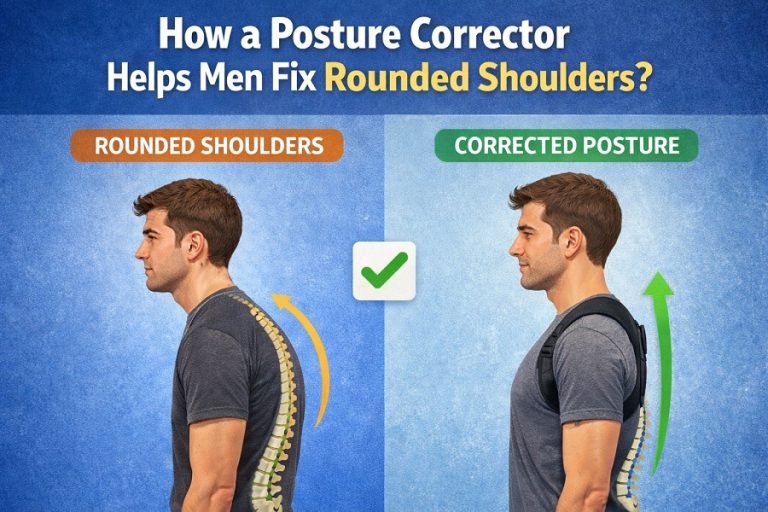
Rounded shoulders are a very common posture problem among men today. If you spend long hours sitting at a desk, working on a computer, or looking down at your phone, your shoulders may slowly start moving forward. Over time, this creates a slouched or hunched posture known as rounded shoulders.

This condition can cause pain in the neck and upper back, as well as stiff muscles. A Posture Corrector for Men is a helpful solution that a lot of people think about. These wearable supports are meant to pull your shoulders back and give your back more support, which will help you stand up straighter over time.

This blog discusses how a posture corrector works, how it helps rounded shoulders, and what to remember when using one.

What Are Shoulders That Are Rounded?

When the shoulders roll forward instead of staying in line with the spine, they become rounded. This usually happens because of bad posture habits like:

  • Sitting for a long time
  • Staring at phones or laptops
  • Muscles in the upper back are weak
  • Muscles in the chest are tight
  • Bad desk ergonomics

These habits can make the upper back curve and the shoulders move forward over time. This could make your neck, shoulders, and upper back hurt.

People who work in offices, go to school, play video games, or spend a lot of time in front of screens are more likely to have rounded shoulders.

What is a posture corrector?

A Posture Corrector for Men is a brace that you wear to help your upper back and shoulders. It usually has straps that go around the back and shoulders.

The corrector gently pulls the shoulders back, which helps the spine stay in a more natural and upright position. This helps people stop slouching and get into better posture habits.

Many adjustable, lightweight posture correctors can be worn under clothes.

How a posture corrector can help with rounded shoulders

A posture corrector won’t fix rounded shoulders right away, but if you use it correctly, it can help you stand up straighter.

These are some of the ways it helps.

1. Pulls the Shoulders Back

The main job of a posture corrector is to gently pull the shoulders back.

It helps keep the shoulders and spine in a neutral position when worn correctly. This stops the forward rounding that happens a lot when you sit or slouch.

In time, this can help your body learn how to stand up straight.

2. Gives your back more support

A lot of men get tired in their upper backs after sitting for a long time. A posture corrector gives your back more support, which helps your muscles relax.

This support helps keep the upper back and shoulders steady, which makes it easier to stand up straight while doing everyday tasks.

This can be very helpful for people who work at desks or study for a long time.

3. Reduces Pain in the Neck and Shoulders

Rounded shoulders can put extra strain on the neck and upper back. This can make you feel stiff, worried and give you headaches.

A Posture Corrector for Men may help ease pain in these areas by improving alignment. When your spine is in the right place, your muscles and joints don’t have to work as hard.

After using it regularly, a lot of people say they feel less tension in their neck and shoulders.

4. Posture Awareness

A major benefit of using a posture corrector is its ability to remind you to maintain proper alignment while sitting and standing.

The brace tightens gently when you start to slouch, which tells you to straighten up. This raises awareness and allows you to maintain better postural habits.

Your body may learn to keep better posture on its own over time, even without the device.

5. Helps to train the muscles that hold your body up

Posture correctors also help strengthen the muscles that hold up the spine.

They help keep the back muscles active by keeping the shoulders in line. This can help strengthen the muscles that support good posture if you use it regularly and do the right exercises.

Experts say that you shouldn’t just rely on posture correctors; you should also do exercises with them.

How to Use a Posture Corrector Safely

The best Posture Corrector for Men can help, but you should be careful when using it.

Here are a few easy tips:

  • Wear it for 20 to 30 minutes a day at first
  • Slowly lengthen the time you use it
  • Don’t wear it all day
  • Add it to your stretching and strengthening routine
  • Change the straps so that they fit well

If you use the corrector too tightly or for too long, it can hurt.

Exercises That Help Shoulders Stay Rounded

When you do simple exercises that strengthen your upper back and stretch your chest, a posture corrector works best.

Helpful exercises are:

  • Squeezes of the shoulder blade
  • Angels on the wall
  • Stretches for the chest
  • Rows with a resistance band
  • Exercises to make your upper back stronger

These exercises help balance the muscles, which is important for correcting your posture over time.

How to Choose the Best Posture Corrector for Men

When looking for the best Posture Corrector for Men, think about these things:

  • Straps that can be changed to fit right
  • Materials that are breathable and comfortable
  • Lightweight design for everyday use
  • Strong but soft support for your back

Comfort is very important, as you are more likely to wear the support daily if it feels good.

Final Thoughts

Rounded shoulders among men is the most common problem with posture that can generate pain in the neck and back, making muscles tired. A Posture Corrector for Men can help by gently pulling the shoulders back, supporting the back, and making you more aware of your posture.

The best Posture Corrector belt for men can help, but it should only be used with healthy habits like stretching, doing exercises to strengthen your body, and sitting up straight.

With consistent effort and the right guidance, you can gradually correct rounded shoulders and achieve better posture.

Fitness remains a vital goal for many local residents today. Now everyone seeks a healthy path toward better physical wellness. Finding the right facility often feels quite overwhelming for beginners. You might notice many different options throughout the entire city. Access and quality represent the two most important factors here. Sometimes local barriers prevent people from reaching their full potential. But dedicated fitness centers work hard to bridge these gaps. Finding the best gyms in crystal lake requires a very careful look.

Local Fitness Accessibility Matters

The location of a fitness center impacts daily workout habits. So many people prefer a spot near their own home. Short travel times help individuals stay consistent with their routines. The physical layout of a building must also feel welcoming. Now several facilities offer expanded hours for busy working professionals. You can find places that stay open very late at night. Wide doors and clear paths improve the experience for everyone. But some older buildings still face significant structural challenges today.

Quality Equipment Enhances Results

Modern machines provide a much safer environment for all users. The latest technology helps members track their progress very effectively. New treadmills and heavy weights create a professional atmosphere. Now high standards for maintenance ensure that every machine works. You deserve to use tools that feel smooth and responsive. But cheap equipment often breaks down during a busy session. Proper upkeep reflects the true dedication of the management team. A clean environment shows respect for every single paying member.

Professional Guidance for Members

Expert trainers offer essential support for those starting their journey. The right coach provides motivation during the most difficult sets. Now many centers include personal training in their basic packages. You gain more confidence when a professional watches your form. Sometimes a simple tip prevents a very painful physical injury. But finding a knowledgeable guide requires some initial research. Good instructors listen to your specific goals and your concerns. High quality coaching creates a much better long term experience.

Inclusive Community Culture

A friendly atmosphere makes a huge difference for new members. People feel more comfortable in a very supportive social setting. Now diverse classes bring different types of individuals together daily. You can meet neighbors while working on your personal health. The staff members should always greet everyone with a warm smile. But some places feel too competitive for the average person. Inclusive environments encourage people to return week after week consistently. Positive vibes turn a simple workout into a great habit.

Expanding Options for Everyone

The local market continues to grow with many new brands. One popular choice for residents is the well known VASA Fitness location. This facility provides a massive space for various workout styles. Now more people have access to premium amenities at home. You can enjoy a wide range of different exercise machines. But every person has unique needs for their fitness journey. Variety ensures that nobody feels left out of the movement. Choosing a great spot improves your health and your happiness.

Periodontal specialist is a dentist who has special training in the prevention, diagnosis, and treatment of gum disease. Although general dentists could treat routine check ups and fillings, more complicated gum issues could need specialist treatment.

Teeth are firmly supported by the gums and supporting bone. The stability of the teeth is endangered when the tissues are infected or damaged. A periodontal specialist researches the structure of the gums to a single vein and knows how the gum disease develops at the roots.

Other procedures undertaken by this kind of specialist include the execution of the deep cleaning of the area below the gum line, the gum grafts and dental implant placement. They are not only aimed at preventing infection but also at the healthy support restoration around the teeth. In case of patients who have persistent gum problems, the consultation with a periodontal specialist could be a decisive factor.

Signs to be Noticed in the Early Stages.

Periodontal disease tends to be silent at first. Loss of blood during brushing, slight swelling or redness can be not so serious. Other individuals are sensitive to bad breath, which fails to change with frequent cleaning. Their gums may be observed to be shrinking away on their teeth by other people, increasing the length of the teeth.

These are not ordinary changes which are to be disregarded. The pockets begin to develop between the teeth and the gums as the gum disease advances. These crevices hold bacteria and they cannot be easily cleaned at home. Infection may spread further and to the bone, without treatment.

A periodontal specialist measures the pocket depth, examines the loss of the bone with the help of the imaging and evaluates the general shape of the gum tissue. This extensive assessment enables taking of early measures before the damage is too severe. The sooner something is done, the easier it is to treat and the faster one heals.

The Importance of Brushing Teeth in General Wellbeing.

Healthy gums do not frame a smile. Continuous gum infection may cause an inflammatory effect on the body. Studies have indicated the association of gum disease with other diseases like heart disease and diabetes. Although research is still in its infancy, the importance of reducing oral inflammation is popularly a good idea as applied to overall health.

Once the bacteria of contaminated gums get into the blood stream the immune system has to react. This is an additional burden to those whose health conditions are already present. This burden can be reduced by treating gum disease through the assistance of a periodontal specialist.

Maintaining natural teeth also helps to improve nutrition, speech. Lacking or loose teeth may alter eating and speaking habits of a person, confidence may participate too. Correct maintenance of the gums secures functionality and comfort in the long-run.

Treatment and Prognosis.

The treatment is determined by the degree of development of the condition. The initial cleaning of the gums below the gum line and professional care can be sufficient in the initial phases to eliminate the deposits of hardened plaque. This will aid in healing the inflammation and healing of the gums.

In more complicated cases, more profound cleaning methods like scaling and root planing may be needed. Small-scale surgical care might be necessary in a few cases to clean deep fissures or repair torn tissue. A periodontal specialist is able to explain every step, and patients know what will be done.

Following active treatment, frequent maintenance visits are necessary. Failure to attend follow up may result in reoccurrence of gum disease. Regular check-ups will enable the periodontal specialist to check the healing process and handle any changes that may arise before they are serious once again.

The Specialist Gum Care.

Any person who has any bleeding of gums, recession of the gums or loosening of teeth would want to consider professional evaluation. Early diagnosis will avoid permanent harm and lessen the need to undergo major procedures in the future.

In Smiles Specialists Suite, the patient will be able to meet a periodontal specialist who will make comprehensive inspections and offer individual treatment programs. The clinic also collaborates with referring dentists to help in the efficient coordination and continuation of care.

The Smiles Specialists Suite is a multifunctional facility that is designed to regain the health of the gums and preserve the natural teeth. Making an appointment with a periodontal specialist can become a significant step in having a healthy and confident smile in the future.

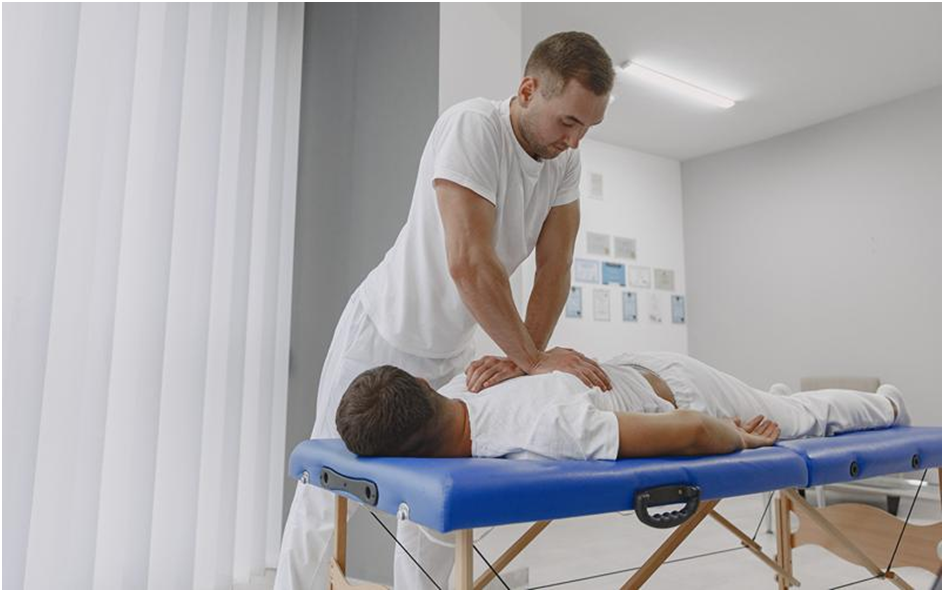
Back discomfort can creep up quietly, making daily tasks unnecessarily challenging. Many people rely on painkillers or long rests, hoping the problem resolves itself. Yet relief often comes from addressing the source directly. A chiropractor’s back adjustment does exactly that, working to realign the spine and restore natural balance to the body. Here are a few overlooked benefits that go beyond easing pain.

1. Restores Better Posture Naturally

Poor posture rarely feels like a big issue until stiffness or fatigue sets in. Over time, it can affect breathing, digestion, and even confidence in movement. Chiropractors focus on restoring spinal alignment, which allows muscles to work more efficiently. Through consistent adjustments, many people find themselves standing taller without conscious effort.

Beyond appearance, posture correction reduces the uneven strain placed on the neck and lower back. It also enhances circulation and helps the nervous system perform at its best. Subtle improvements in how you sit or walk can add up to significant comfort in the long run.

2. Reduces Muscle Tension and Improves Range of Motion

When muscles tense up around the spine, movement becomes limited. This restriction can affect not just your back but your shoulders, hips, and legs, too. Regular chiropractic sessions release these restrictions and help joints move smoothly again. A well-timed adjustment can leave the body feeling lighter and more flexible almost instantly.

By focusing on targeted areas, a chiropractic treatment for back pain helps reduce nerve irritation that triggers muscle tightness. Improved flexibility makes everyday actions (like tying your shoes or reaching overhead) less of a chore. The result is not only temporary relief but a foundation for better mobility over time.

3. Supports Stress Relief and Mental Clarity

The body and mind are closely linked. When the spine is misaligned, nerves that connect to major organs can send stress signals throughout the system. Chiropractic care encourages relaxation by releasing physical tension that contributes to emotional strain. Many patients report improved sleep and a sense of calm after an adjustment.

This sense of clarity often comes from balanced nervous function. When signals move freely through the spinal cord, your body processes daily stress with less effort. A calmer body helps create a calmer mind, allowing you to handle challenges without the same level of fatigue.

4. Enhances Long-Term Preventive Health

Spinal misalignments can cause minor discomfort that builds into chronic pain over the years. Routine chiropractic adjustments help prevent that escalation. By promoting proper joint movement and muscle support, the spine stays resilient against everyday strain.

Preventive care reduces the likelihood of developing conditions linked to poor spinal mechanics, such as tension headaches or recurring lower back pain. Investing in a schedule of chiropractic treatment for back pain is as much about maintaining function as it is about easing symptoms. The benefits often extend beyond the back, improving balance, energy, and overall coordination.

5. Encourages an Active, Pain-Free Lifestyle

When pain diminishes, movement becomes enjoyable again. Chiropractic adjustments allow you to stay active without constantly worrying about flare-ups. With improved alignment and muscle support, exercise feels more natural, and recovery tends to be quicker.

This renewed confidence in movement encourages consistency in physical activity, which further strengthens the back. It becomes a reinforcing cycle of better health. Choosing a chiropractor’s back adjustment as part of a holistic routine helps maintain that freedom for the long term.

Conclusion

Chiropractic adjustments do more than relieve tension. They promote balance, prevent long-term pain, and help the body work the way it was designed to. From posture correction to stress reduction, the hidden benefits are both physical and mental. Consistent care ensures you move, think, and rest with greater ease.

Contact True Chiropractic to book a session and experience how expert back adjustments can support your long-term spinal health and daily comfort.

Healing doesn’t have to mean nursing home care. By bringing licensed nurses into the convenience of home, families can combine clinical excellence with the routine, the relationships, and the surroundings which make for more rapid recuperation and peace of mind. The familiar surroundings also diminish anxiety in the patients, thus stimulating an interest in their own care. It maintains privacy and honors preferences that might be difficult to comply with in an institution. Skilled nursing care in a home atmosphere combines medical aptitude with necessary avocations, making for patient propriety and family centeredness.

What Is Skilled Nursing Care?

Skilled nursing care is clinical, physician directed and coordinated support in the home provided by licensed nurses. This means far more than assistance with bathing or food. It is all-embracing of evaluations, interventions and education that necessitate special training. Everything about the case: medication schedules and mobility objectives, etc., will be individually oriented as to the patient’s diagnosis, lifestyle and tastes. Also delivered by nurses will be matters relative to equipment delivery and utilization, safe use of walkers, glucometers and oxygen etc.

Check out https://www.investopedia.com/terms/s/skilled-nursing-facility.asp to know the difference from the nursing facilities.

Nursing care will form the transition from institutional care to independence and teaches safe medication practices, mobility techniques, symptom awareness in safe settings etc. while promoting through realistic goals at each patient visit. Guided by an individually attuned plan of care, the nurses watch symptoms, conferring with prescribing physicians and asking for timely modifications when required.

After surgical or serious illness this transition training goes a long way to teach the patients safe medication modalities, safe mobility techniques and symptom awareness and expression all in a timely fashion with due respect to the individual nature of each rehabilitation.

Common Medical Tasks Handled at Home

An astonishing variety of hospital-level services can be safely accomplished in the living room or bedroom. With the right equipment, the right supplies, and a clear plan of care, nurses make focused visits that accelerate recovery and build confidence in self-care.

When appropriate, clinicians demonstrate tasks with a caregiver present and follow these demonstrations with return demonstrations to assure competence. A number of agencies are now supplementing visits at the bedside with secure remote-monitoring equipment that alerts clinicians to changes in patients’ vital signs between visits and makes it possible for changes of condition to be met in a timely way.

  • Dressing changes and complex wound assessments
  • Intravenous therapy, injections, and central-line management
  • Catheter and ostomy management. Read more here
  • Cardiac, respiratory, and blood glucose monitoring
  • Education in chronic disease management such as diabetes, chronic obstructive pulmonary disease, and heart failure
  • Fall prevention evaluations and hands-on coaching for patient and family on safety in the home

Who Provides Skilled Nursing?

Registered nurses (RNs) and licensed vocational or practical nurses (LVNs/PNs) work under physician orders and in concert with therapists and social workers as necessary. These interdisciplinary teams provide specialized home care services that recognize each person’s aims while remaining tightly related to the plan of medicine.

Continuous professional education keeps clinician’s current with new developments concerning best practices, emerging treatments, and evolving technology. Families can expect caregivers with background checks, state licenses in good standing, and detailed recordings of each encounter. Common-sense language teaching and open lines of communication ensure that family members grasp each turn of the road.

This collaborative approach enables seniors and individuals to develop the new skills at a comfortable timetable without sacrificing clinical oversight.

Why Families Choose In-Home Nursing

Given where people live, care given on site is in better accord with individual time schedules, reduces tensions, keeps them near loved ones. For caregivers balancing work and family, professional supervision at home maintains point-by-point routines, while attending to their medical requirements. This continuity allows families to project working time and appointments about life without losing oversight.

  • Early recognition of alternations in symptoms, with provision of lower risk of emergency visits and readmissions
  • Greater adherence to therapeutic regimen because interventions take place in familiar surroundings
  • Clarity and uniformity in education, so that everybody clearly understands medications, equipment, and steps to follow
  • A voiding of transport problems, lower costs
  • Long-lasting relationships, same clinicians visit same patients’ week by week

Safety and Peace of Mind

In security, is the overall basis for skilled nursing care at home. Nurses check orders, verify patient identity and pursue rigorous protocols for administering medications. Strong infection control procedures ranging from proper mass hygiene to sterilization protocols provide patients needing increased rescue increased security.

Agencies support 24-hour triage and rapid escalation options, including telehealth or remote monitoring to recognize subtle changes at an early juncture. Families are taught the fundamentals of infection control, recognize red flag symptoms and rehearse emergency plans, so as to know how to react if shifts in medical conditions occur. This collaborative vigilance provides ensure that always quality medical treatment and compassionate care are immediately at hand.

When it comes to your health, what you don’t know can hurt you. That’s especially true in urology, where many serious conditions—like prostate cancer, kidney disease, and bladder cancer—can be silent in the early stages. Routine urological screenings are one of the most powerful tools we have to catch problems early, when they’re easiest to treat and most likely to lead to positive outcomes.

If you live in Brooklyn and haven’t had a urological check-up in a while, this post is for you. Whether you’re symptom-free or already noticing changes in your urinary or sexual health, early screening can give you peace of mind—or the chance to act before things get worse.

Let’s explore why routine screenings matter, what they involve, and who should be getting them.

Why Early Detection Is So Important

In urology, many conditions begin without noticeable symptoms. Patients often say, “I feel fine—why would I need to get checked?” Unfortunately, by the time symptoms appear, a condition may have already advanced.

Here are a few examples:

  • Prostate cancer: Often has no early signs but is highly treatable when caught early.

  • Kidney disease: Can quietly progress until kidney function is severely impaired.

  • Bladder cancer: May cause microscopic blood in the urine long before visible symptoms.

  • High PSA levels: May indicate prostate issues before any discomfort arises.

  • Erectile dysfunction: Sometimes a sign of cardiovascular problems—not just a quality-of-life issue.

Early detection can save lives, preserve organ function, and reduce the need for more aggressive treatment later on.

Who Should Get Routine Urological Screenings?

👨 Men Over 40

  • Start discussing PSA testing (Prostate-Specific Antigen) and digital rectal exams (DRE) with your doctor—especially if you have risk factors like:

    • Family history of prostate cancer

    • African American background

    • Previous elevated PSA

👩 Women Over 40

  • Recurrent UTIs, pelvic floor disorders, or incontinence? You may benefit from an evaluation—even if you’ve just been “living with it.”

  • Postmenopausal changes can increase urinary symptoms that are easily manageable with the right care.

🧒 Younger Adults

  • Experiencing pain, blood in the urine, difficulty urinating, or sexual health concerns? Don’t wait. Early symptoms should always be checked, regardless of age.

🧬 People with Chronic Conditions

  • Diabetes, high blood pressure, and obesity are all major risk factors for kidney and bladder problems. Routine screening is essential.

🔁 History of Stones or Cancer

  • Anyone who has had kidney stones, urinary cancers, or frequent UTIs should have regular follow-up to prevent recurrence.

What Happens During a Urological Screening?

Most screenings are quick, non-invasive, and easy to fit into a busy Brooklyn schedule. Depending on your age, symptoms, and risk factors, your screening may include:

  • Urine test: Checks for infection, blood, sugar, and proteins.

  • Blood test: Evaluates kidney function (creatinine, BUN), PSA levels for men.

  • Ultrasound or imaging: If there’s concern about kidney stones, blockages, or masses.

  • Prostate exam: A digital rectal exam (DRE) helps check for prostate enlargement or irregularities.

  • Pelvic exam (for women): If issues like prolapse, incontinence, or bladder pressure are suspected.

Most of these tests can be completed right in the office and results are often available within a few days.

Commonly Detected Conditions in Routine Screenings

  • Benign Prostatic Hyperplasia (BPH) – Treatable enlarged prostate in men

  • Urinary Tract Infections (UTIs) – Common in women, especially postmenopausal

  • Kidney Stones – Can be asymptomatic until they cause pain

  • Hematuria (Blood in Urine) – Early sign of bladder or kidney issues

  • Prostate, Bladder, or Kidney Cancer – More treatable when caught early

Why This Is Especially Important in Brooklyn

Brooklyn is a fast-paced, diverse, and dynamic borough—but those very qualities can contribute to people putting off health screenings. With long work hours, caregiving responsibilities, and limited time for self-care, many residents don’t get checked until something is seriously wrong.

In some communities, cultural stigma around urinary or sexual health makes people less likely to speak up. In others, access to healthcare or fear of invasive procedures may be a barrier. We recommend Urologist Brooklyn.

Maintaining good oral health is a multifaceted approach beyond brushing and flossing. In general, restorative, and cosmetic dentistry, mouthwash plays a vital role in complementing regular oral hygiene practices. As a powerful adjunct to brushing and flossing, mouthwash effectively kills bacteria, prevents gingivitis, and strengthens tooth enamel, reducing the risk of oral infections and diseases. By incorporating mouthwash into their daily routine, individuals can significantly enhance their oral health, reduce the need for restorative treatments, and maintain the longevity of cosmetic enhancements. 

This article explores the importance of mouthwash in general, restorative, and cosmetic dentistry, highlighting its benefits, types, and proper usage.

Understanding mouthwashes

Mouthwash is a liquid solution designed to rinse and clean the mouth, teeth, and gums, providing a comprehensive oral hygiene experience. Typically swished around the mouth for 30 seconds to 1 minute before being spat out, mouthwash serves as a supplemental tool to brushing and flossing. Its primary functions include reducing plaque, preventing gingivitis, strengthening tooth enamel, freshening breath, and whitening teeth.

History of mouthwash

Mouthwash has been used for centuries, dating back to ancient civilizations. The earliest recorded use of mouthwash was in ancient China, where people used saltwater to rinse their mouths. In the 19th century, mouthwash became more widespread, with the introduction of commercial products.

Types of mouthwash

  • Fluoride Mouthwash: Strengthens tooth enamel and prevents decay.
  • Antibacterial Mouthwash: Kills bacteria and prevents oral infections.
  • Antifungal Mouthwash: Treats fungal infections, such as oral thrush.
  • Natural Mouthwash: Contains herbal ingredients, such as essential oils.
  • Whitening Mouthwash: Contains mild abrasives for surface stain removal.

What is the importance of mouthwash for oral health?

Mouthwash plays a crucial role in maintaining good oral health. Here are some key importance of mouthwash:

Prevents Oral Infections

  • Reduces bacteria and viruses
  • Prevents gum disease (gingivitis)
  • Fights fungal infections (oral thrush)

Maintains Healthy Gums

  • Reduces inflammation
  • Prevents gum recession
  • Promotes healthy gum attachment

Strengthens Teeth

  • Fluoride mouthwashes strengthen tooth enamel
  • Prevents tooth decay
  • Reduces sensitivity

Freshens Breath

  • Kills bacteria causing bad breath
  • Leaves mouth feeling clean and fresh

Additional Benefits

  • Whitens teeth
  • Reduces plaque
  • Helps prevent oral cancer
  • Soothes mouth sores
  • Helps manage dry mouth

How to choose the right mouthwash?

Choosing the right mouthwash depends on your oral health needs and preferences. Here’s a step-by-step guide:

Step 1: Determine Your Oral Health Needs

  • Gum disease or sensitivity: Look for antibacterial or anti-inflammatory mouthwashes.
  • Tooth decay: Choose fluoride mouthwashes.
  • Bad breath: Select mouthwashes with antibacterial or odor-fighting ingredients.
  • Whitening: Opt for mouthwashes with mild abrasives or hydrogen peroxide.
  • Dry mouth: Consider mouthwashes with moisturizing ingredients.

Step 2: Consider Your Health Status

  • Pregnancy or breastfeeding: Choose mouthwashes with natural ingredients.
  • Diabetes or oral health conditions: Consult your dentist or healthcare provider.
  • Allergies or sensitivities: Opt for hypoallergenic mouthwashes.

Step 3: Check the Ingredients

  • Active ingredients: Chlorhexidine, fluoride, or essential oils.
  • pH level: Neutral or slightly alkaline (pH 6.5-7.5).
  • Artificial colors or flavors: Avoid if sensitive.

Step 4: Choose a Mouthwash Type

  • Antibacterial
  • Fluoride
  • Antifungal
  • Anti-plaque
  • Whitening
  • Natural
  • Sensitivity

Step 5: Look for Certifications

  • American Dental Association (ADA) Seal of Acceptance.
  • International Organization for Standardization (ISO) certification.

Step 6: Read Reviews and Consult Your Dentist

  • Check online reviews from trusted sources.
  • Consult your dentist or healthcare provider for recommendations.

How do you incorporate mouthwash into your oral hygiene routine?

You must ensure to incorporate mouthwashes into your oral hygiene routine:

  • Use mouthwash twice a day: After brushing and flossing.
  • Swish for 30 seconds: Allow mouthwash to contact all areas.
  • Do not swallow: Spit out mouthwash.
  • Combine with brushing and flossing: For optimal oral health.

Mouthwash is a vital component of a comprehensive oral hygiene routine, providing numerous benefits for maintaining healthy teeth, gums, and overall oral well-being. By incorporating mouthwash into daily oral care, individuals can effectively prevent oral infections, strengthen tooth enamel, freshen breath, and promote healthy gums. 

The field of endodontic surgery has undergone a transformative evolution in recent years, driven by rapid advancements in technology, materials, and techniques. Revolutionary developments in microscopic instrumentation, 3D imaging, and bioceramic materials have significantly enhanced the accuracy, efficiency, and success rates of root canal treatment. Furthermore, the integration of laser technology, dynamic navigation, and regenerative endodontic procedures has expanded the scope of endodontic surgery, enabling dental professionals to tackle complex cases with improved outcomes. 

As East County endodontics continues to advance, patients can expect more effective, minimally invasive, and aesthetically pleasing treatments, while dental professionals must be aware of these cutting-edge developments to provide optimal care.

Exploring the advances of endodontic surgery

The field of endodontica has evolved tremendously over the recent decades in terms of surgical procedures and treatments:

Microscopic Endodontic Surgery

Microscopic endodontic surgery utilizes high-powered microscopes to visualize the root canal system, enabling precise dissection and removal of infected tissue. This technique has improved success rates and reduced complications.

3D Imaging and Guided Surgery

Cone Beam Computed Tomography (CBCT) and 3D printing enable precise pre-surgical planning and guided surgery. This technology facilitates accurate localization of anatomical structures, minimizing the risk of damage.

Ultrasonic and Rotary Instrumentation

Advanced ultrasonic and rotary instrumentation enhances canal cleaning and shaping, reducing procedure time and improving outcomes.

Mineral Trioxide Aggregate (MTA) and Bioceramic Materials

MTA and bioceramic materials have revolutionized root-end filling and perforation repair. These materials promote healing, reduce toxicity, and enhance sealability.

Laser-Assisted Endodontic Surgery

Laser technology facilitates precise tissue removal, reduces bleeding, and promotes healing.

Dynamic Navigation and Robotics

Computer-aided dynamic navigation and robotics enhance precision, reduce complications, and improve patient outcomes.

Biologically-Based Root Canal Treatment

Biologically based root canal treatment focuses on preserving tooth structure, promoting healing, and minimizing chemical disruption.

Regenerative Endodontic Procedures

Regenerative endodontic procedures aim to revitalize immature or necrotic teeth, utilizing stem cells and tissue engineering.

Understanding the benefits of endodontic surgery 

Advances in endodontic surgery offer numerous benefits:

Clinical Benefits

  • Relief from pain and discomfort
  • Resolution of infection and abscesses
  • Preservation of natural tooth structure
  • Improved oral health and function
  • Reduced risk of tooth loss
  • Enhanced aesthetic outcomes
  • Increased success rates for complex cases

Patient Benefits

  • Improved quality of life
  • Reduced anxiety and stress
  • Increased confidence in smile and appearance
  • Enhanced chewing and biting ability
  • Reduced risk of systemic health issues related to untreated infection
  • Minimally invasive procedures
  • Faster recovery times

Dental Benefits

  • Preservation of tooth structure and function
  • Maintenance of dental arch integrity
  • Prevention of adjacent tooth damage
  • Reduced risk of dental implant complications
  • Enhanced dental aesthetics
  • Improved occlusal function
  • Increased longevity of dental restorations

Economic Benefits

  • Cost-effective alternative to tooth extraction and implant placement
  • Reduced need for repeated dental procedures
  • Minimized risk of costly complications
  • Increased value of dental investment
  • Reduced time off work or daily activities

Psychological Benefits

  • Reduced anxiety and fear of dental treatment
  • Increased confidence in dental care
  • Enhanced self-esteem and self-image
  • Improved overall well-being
  • Reduced stress and discomfort

Long-term Benefits

  • Permanent resolution of endodontic issues
  • Long-term preservation of tooth structure
  • Reduced risk of future dental complications
  • Enhanced oral health and function
  • Increased overall quality of life

Final thought 

The advancements in endodontic surgery have revolutionized the field, offering unparalleled precision, efficiency, and success rates. By leveraging cutting-edge technologies, materials, and techniques, dental professionals can provide minimally invasive, patient-centered care that preserves natural tooth structure and enhances oral health. As research continues to push the boundaries of endodontic surgery, patients can expect even more effective, aesthetically pleasing, and long-lasting treatments. Embracing these innovations, dental professionals can optimize treatment outcomes, reduce complications, and improve patient quality of life. 

A chipped tooth can be a frustrating and embarrassing dental issue, affecting not only one’s oral health but also their self-confidence and overall quality of life. Fortunately, advances in cosmetic dentistry have made it possible to transform damaged teeth into beautiful, healthy-looking smiles. The Dacula family dentist and their team offer porcelain veneers that are a popular and highly effective solution. These laminates offer a durable and aesthetically pleasing way to repair chipped teeth.

With their natural look, stain resistance, and long-lasting durability, porcelain veneers have become a top choice for individuals seeking to repair chipped teeth and reclaim their confident smiles.

Understanding chipped teeth

Chipped teeth refer to teeth that have suffered a fracture or crack, resulting in a visible chip or breakage. This dental issue can occur on any tooth but is most common on front teeth, particularly incisors. Chipped teeth can range from minor, barely noticeable flaws to significant structural damage. The severity of the chip can vary, from a small, superficial enamel chip to a deeper fracture exposing the dentin or pulp. Chipped teeth can be caused by various factors, including trauma, tooth decay, grinding or clenching, brittle teeth, or poor dental work.

Types of chipped teeth

  • Minor chip: Small, superficial enamel chip
  • Moderate chip: Deeper fracture exposing the dentin
  • Severe chip: Large, noticeable breakage exposing the pulp
  • Vertical chip: Fracture extending from gum line to biting surface
  • Horizontal chip: Fracture across the tooth’s width

Symptoms

  • Visible chip or crack
  • Pain or sensitivity
  • Difficulty chewing or speaking
  • Embarrassment or low self-esteem
  • Increased sensitivity to temperature changes
  • Sharp edges or rough texture
  • Discomfort when biting or closing the mouth
  • Pus or swelling around the tooth
  • Fever
  • Difficulty swallowing
  • Loose or mobile tooth

Porcelain Veneers: A Revolutionary Solution

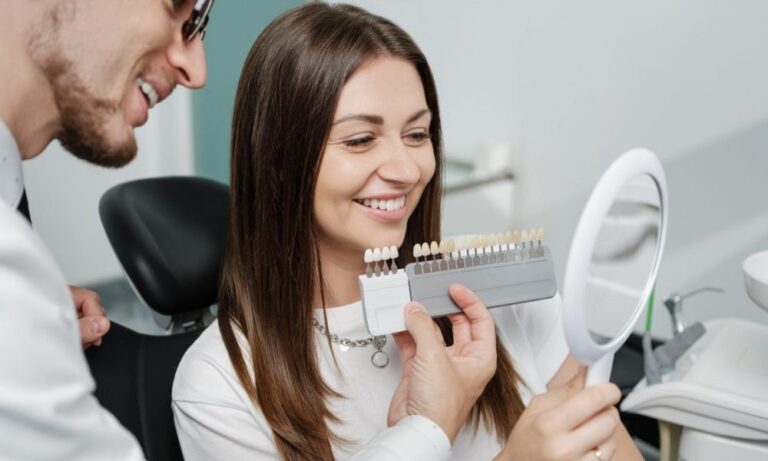
Porcelain veneers are thin, custom-made shells bonded to the front of the tooth, masking imperfections and restoring its natural appearance. 

Types of porcelain veneers

  • Traditional veneers
  • No-prep veneers (minimal enamel removal)
  • Lumineers (ultra-thin veneers)
  • EMAX veneers (high-strength ceramic)

Here’s how porcelain veneers help treat chipped teeth:

  • Cover chips and cracks: Veneers conceal imperfections, restoring tooth appearance.
  • Protect tooth structure: A thin layer of porcelain shields the tooth from further damage.
  • Relieve sensitivity: Veneers reduce sensitivity by covering exposed dentin.
  • Improve aesthetics: Natural-looking veneers enhance tooth shape, color, and alignment.
  • Boost confidence: A restored smile boosts self-esteem and confidence.

Benefits

  • Durability: Long-lasting (10-20 years)
  • Stain resistance: Maintain natural appearance
  • Natural look and feel: Indistinguishable from natural teeth
  • Minimal tooth preparation: Conservative treatment
  • Versatility: Suitable for multiple chipped teeth

Treatment Process

Here’s a detailed step-by-step procedure for treating chipped teeth with porcelain veneers:

Step 1: Consultation and Diagnosis (1 visit)

  • Examination and diagnosis
  • Discussion of treatment options
  • Smile analysis and veneer suitability assessment
  • X-rays and impressions (if necessary)

Step 2: Tooth Preparation (1 visit)

  • Administer local anesthesia (if necessary)
  • Remove minimal enamel (0.5mm) from the front and sides of the tooth
  • Shape the tooth for veneer placement
  • Take impressions of the prepared tooth

Step 3: Impressions and Veneer Creation (1-2 weeks)

  • Take dental impressions of the upper and lower teeth
  • Create a model of the teeth
  • Design and craft the porcelain veneer
  • Veneer fabrication by a skilled laboratory technician

Step 4: Bonding and Cementation (1 visit)

  • Prepare the tooth for bonding
  • Apply dental bonding agent
  • Place the veneer on the tooth
  • Cement the veneer in place
  • Adjust bite and make final adjustments

Step 5: Follow-up and Adjustments (1 visit)

  • Verify proper fit and alignment
  • Make any necessary adjustments
  • Polish the veneer for optimal shine
  • Schedule follow-up appointments 

Porcelain veneers offer a reliable and aesthetically pleasing solution for chipped teeth. By understanding the benefits and process, you can confidently restore your smiles and regain self-assurance.