Category

Health

Category

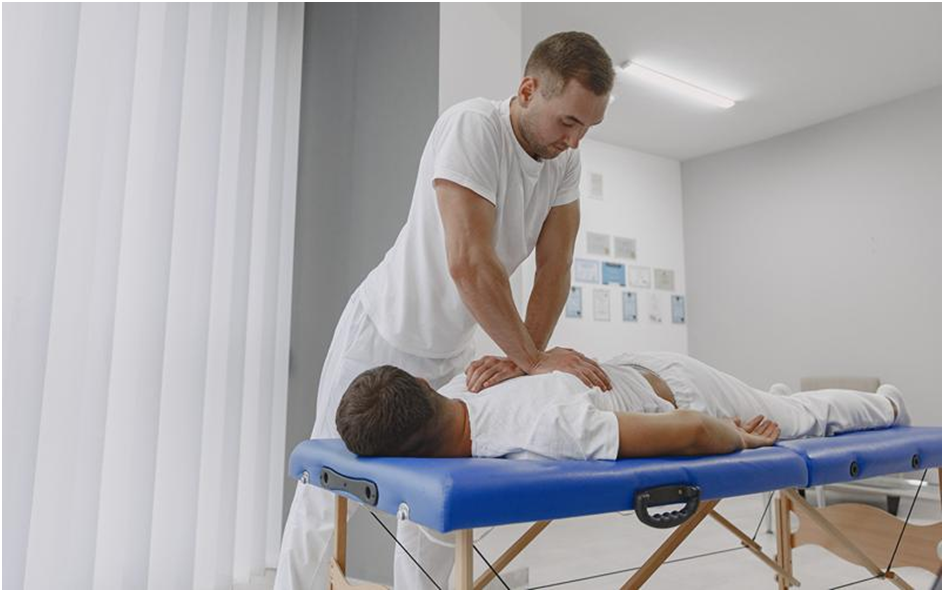
Spine surgery is only part of the recovery process. The real work often begins in the weeks that follow, when physical therapy becomes the driving force behind long-term healing. Dr. Larry Davidson, a leader in minimally invasive spine surgery, stresses that rehabilitation isn’t optional. It’s a clinical necessity for restoring function, preventing setbacks and regaining quality of life.

Yet many patients delay, avoid or abandon therapy altogether. Whether due to cost, inconvenience, discomfort or overconfidence in surgical success, skipping rehab carries more than just short-term consequences.

Why Patients Skip or Stop Rehab

Some individuals feel noticeably better after surgery and assume their body can take care of the rest. Others struggle with logistical barriers such as transportation, insurance coverage or work conflicts. A third group may start therapy but stop attending once initial improvements appear.

These decisions often feel justifiable at the moment. But healing without guidance is rarely linear, and missing the structured support of a trained physical therapist can leave gaps in recovery that won’t correct themselves.

Risk #1 – Reduced Mobility and Flexibility

After surgery, spinal tissues are vulnerable. Scar tissue can form, stiffness can develop and muscle tone can decline rapidly. Therapy is designed to counteract these risks through movement, stretching and progressive activity.

Patients who skip this step often experience a limited range of motion, difficulty bending or twisting and a gradual loss of flexibility. These deficits can affect everything from walking up stairs to tying shoelaces. Rehab ensures joints, muscles and soft tissues remain mobile, while the spine stabilizes. Without it, mobility loss becomes a silent but persistent problem.

Risk #2 – Chronic Pain and Inflammation

Pain may subside after surgery, but that doesn’t mean the body has returned to balance. Muscular imbalances, joint strain and compensation patterns can all lead to new areas of discomfort.

Dr. Larry Davidson notes that patients who forgo rehab are more likely to report recurring pain, particularly in adjacent segments of the spine or supporting muscle groups. Inflammation, stiffness and fatigue can linger for months or even years. Physical therapy addresses these imbalances early, before they calcify into chronic conditions.

Risk #3 – Re-injury or Surgical Failure

Rehab isn’t just about recovery. It’s also about protecting the investment made through surgery. Movement patterns must be relearned. Lifting, sitting and standing must be performed with care. Skipping therapy makes it easier to return to unsafe habits that strain healing tissue.

In some cases, this can lead to re-injury or hardware complications. Even minor missteps, for example, twisting abruptly or lifting incorrectly, can undo weeks of surgical progress. Therapists teach patients how to move confidently, while respecting their post-op limitations. They monitor form, adjust exercises, and ensure the spine is protected at every phase.

Risk #4 – Loss of Strength and Endurance

Muscle atrophy happens quickly after surgery. Core stabilizers weaken, leg strength diminishes and coordination suffers. Rehab reverses this by gradually reintroducing load and resistance in a safe, controlled way.

Without physical therapy, patients may find that daily activities become more taxing. Walking long distances, carrying groceries or getting up from a chair can require more effort than expected. Strength loss not only limits independence. It also increases the risk of falls and injuries, especially in older adults. Therapy prevents these deficits and restores functional capacity.

Risk #5 – Mental and Emotional Setbacks

Recovery challenges the body and mind. Fear of movement, anxiety about setbacks and frustration over slow progress can erode motivation. Physical therapy provides more than instruction. It offers reassurance, accountability and momentum.

Patients who skip rehab often feel isolated in their recovery. They may interpret normal healing discomfort as failure or avoid activity out of fear. It can trigger a cycle of inactivity and discouragement that slows recovery and affects mental well-being. Therapists help break that cycle with consistent check-ins, structured routines and encouragement to keep moving forward.

What a Structured Rehab Program Provides

A complete rehabilitation program is more than a checklist of exercises. It is a phased and personalized plan that addresses:

  • Spinal mobility and flexibility
  • Core and hip strength
  • Posture correction and gait training
  • Balance, coordination, and fall prevention
  • Education on lifting and movement strategies

Therapists also monitor signs of inflammation, address pain flare-ups and adjust pacing to meet the patient’s needs. It’s a collaborative process, not a one-size-fits-all approach.

Short-Term Gain vs. Long-Term Loss

Feeling “good enough” doesn’t mean healing is complete. Many patients abandon rehab too early, believing they’re ready to resume normal life. But skipping the final stages of therapy, often the most critical, can lead to setbacks that require more medical attention down the road.

Skipping rehab saves time in the short term but may cost more in the long run through additional appointments, medications or even repeat procedures. Consistent therapy reduces these risks by building true spinal resilience, not just temporary relief.

Staying Committed to the Process

Rehabilitation isn’t always easy. It requires time, consistency and patience. Progress can feel slow, and setbacks may occur. But each session contributes to long-term strength, mobility and confidence.

Patients should work closely with their care teams to address any barriers, be they financial, logistical or emotional. In some cases, home-based therapy or virtual rehab platforms may offer flexible alternatives.

The key is not to let the absence of pain signal the end of care. Recovery continues until movement, strength, and balance are fully restored, and that takes time. Pain relief is just one milestone. True healing requires a return to functional capacity and resilience. Skipping this crucial phase can lead to setbacks or recurring issues down the line.

Recovery Is Earned

Surgery fixes structural problems. Rehab restores performance. Without one, the other is incomplete.

Physical therapy turns surgical repair into a sustainable recovery. It reduces the risk of relapse, teaches lifelong movement habits and ensures the spine is supported for the future.

Patients who view therapy as part of their total recovery, not just an optional add-on, are the ones most likely to regain their independence and avoid future complications. They approach each session with purpose, knowing it directly impacts their quality of life. This mindset turns therapy from a task into a tool for long-term resilience and recovery.

Concerns over sexual health and appearance for many men can be extremely personal matters, yet surgery was often their go-to treatment option in the past. Over the last several decades however, male enhancement has undergone dramatic change – transitioning away from surgical solutions towards noninvasive solutions with proven effectiveness without risky surgeries being necessary – providing more comfortable, less invasive methods that offer results faster. It reflects an emerging trend toward medical solutions without operations as an answer for male enhancement issues.

Before, men seeking to increase penis size faced the intimidating idea of surgery with its associated risks, long recovery periods and potential issues. Meanwhile, treatments for erectile dysfunction were mostly restricted to medication or more extreme options like implants; with increasing demand for less drastic but still effective methods came new research on non-invasive solutions allowing non-surgical alternatives.

Initial attempts at non-invasive enhancement included vacuum pumps and devices designed to stretch for size as well as some pills to treat ED. While these remedies provided some help, many were often bothersome or had clear side effects. With increased knowledge about how the penis functions and technological developments that could gently and effectively stimulate it naturally coming onstream, real progress began taking shape.

Modern Advancements in Non-Surgical Options Today

Non-invasive male enhancement has experienced tremendous expansion. There are now an abundance of non-surgical male enhancement options that utilize cutting edge techniques that support scientific knowledge to make natural functions better while increasing blood flow, stimulating tissue growth without resorting to surgical solutions or lengthy recuperation times. These methods focus on optimizing natural function while simultaneously improving blood flow and stimulating tissue growth without needing knives and lengthy recovery times for recovery periods.

Key areas where non-surgical methods have expanded include:

  • Injectable Treatments: Perhaps among the most significant new approaches are injectable therapies.
  • PDE5 Inhibitors (like Alprostadil): Although PDE5 inhibitors are medications, injecting them directly into the penis was a revolutionary breakthrough that eliminated pills or surgery as potential solutions to ED for many men. Now many can turn to them when necessary for relief of symptoms.
  • Dermal Fillers: Hyaluronic Acid (HA) fillers first approved for beauty applications have become popular “off-label” fillers to make penises thicker, with many advantages including being nonpermanent (they can be dissolvable), giving quick results, and being less invasive than surgery compared with alternatives like these. This technology marks an incredible step toward improving appearances without surgery!
  • Energy-Based Therapies:Low-Intensity Extracorporeal Shockwave Therapy (LI-ESWT): This amazing treatment for ED uses gentle sound waves to encourage new blood vessel formation in your penis and improve its blood flow, promising relief not just from its symptoms. LI-ESWT promises long term resolution of its root cause versus just its symptoms!
  • Platelet-Rich Plasma (PRP) Therapy: By harnessing growth factors found within an individual’s own blood, PRP injections use growth factor therapy to restore penile tissue, enhance blood flow and possibly even make feeling and erections better for men.
  • Vacuum Erection Devices (VEDs) and Penile Traction Devices (PTDs): Although not completely new, these mechanical devices have recently undergone improvements that enhance how they look and feel, providing options to manage ED without using medication; over time these could possibly give users some length increase!

Modern Non-Surgical Therapies

  • Its advantages are evident: these non-invasive approaches promise better health care without surgery.
  • Minimally Invasive Procedures: Most procedures consist of injections or applying something on the outside to avoid cuts while being put to sleep quickly and seamlessly.
  • Reduced Risk: Non-surgical techniques usually carry lower risks than surgical ones; usually only minor side effects like bruising and swelling can occur from these strategies.
  • Minimal to No Downtime: Most patients can quickly resume their normal activities after treatment has concluded.
  • Convenience: Treatments tend to take less time when conducted in a physician’s office and take place quickly.
  • Natural-Looking Results: Many methods focus on supporting and strengthening natural body processes for more natural-looking results that feel and look more authentic.
  • Reversibility/Adjustability: HA fillers have the added advantage of being reversible or adjustable, giving patients greater comfort and control during treatment. This gives HA fillers another distinct edge in providing this feature to patients.

Non-invasive male enhancement treatments represent a monumental advancement for men’s health. By offering more gentle solutions than surgical ones, men are now better able to address worries without incurring the big commitment and risks that accompany surgical enhancement. And with continued research underway, non-invasive enhancement solutions should become even more refined over time.

This post was written by a professional at Loria Medical USA. Dr. Victor Loria introduces an innovative and groundbreaking approach to Penile Shaft Girth Enhancement, known as the Platinum Method. This advanced, non- invasive technique employs a Permanent Dermal Filler Injection, exclusively available at Loria Medical Cosmetic Centers and their affiliated locations across the United States. Click here to learn more about male enhancement injections florida services!

When it comes to straightening out your teeth, braces remain one of the reliable and effective options, especially to challenging dental skewing. Nonetheless, aesthetics and the consideration of comfort weigh heavily in decision-making process. This is where metal and ceramic braces are incorporated. Although they approach the same objective of alignment and bite adjustment, their materials, visibility, expense, and upkeep set them apart. Knowing these variances will guide you in selecting the perfect match for your goals for smiles and way of life.

One great option for professional advice in Yulee, FL is Onshore Orthodontics. The staff of this local orthodontist is caring and dedicated to individual treatment plans and the facility has all modern amenities. Known to combine business expertise and personable, hometown service, their goal is to have your orthodontic experience be a winning one.

What are the Metal Braces?

Metal braces are what most people consider when they avail orthodontic treatment. The arch-wire that gently and gradually moves teeth into proper position is connected to stainless steel brackets fixed to the front of each tooth with the help of stainless-steel wires.

Benefits

  • Strength & Reliability: From little gaps to complicated malocclusions, metal braces can address practically every tooth alignment problem.
  • Cost-effective: Usually, the least expensive treatment is metal braces.
  • Durable: These braces are strong and forgiving; they withstand chewing forces and unintentional harm better than other kinds.

Considerations

  • Looks: Their metallic shine is not hard to spot, and this may be a worry to teens or adults who are not comfortable with a showy bling brace face.
  • Uncomfortable: Metal can be painful on lips and cheeks and readjusting periodically may be unpleasant until you are accustomed to it.
  • Oral hygiene: It becomes even harder to brush and floss due to the wires and brackets.

What are Ceramic Braces?

Ceramic braces are slightly different to metal braces. However, they operate in the same way but utilize brackets that are made of tooth or translucent ceramic to better match your natural teeth and are therefore less noticeable.

Benefits

  • Less Obvious: These braces have an aesthetic appeal that particularly appeals to image-conscious teenagers or experts.
  • Effective: These can fix virtually any dental problem with regular observation just like metal braces.

Considerations

  • Vulnerable: Ceramic braces are more prone to crack or break.
  • Cost: It is normally more expensive than metal braces due to material and cosmetic value.
  • Maintenance: Ceramic one can stain easily when subjected to harsh colored drinks like curry or wine, coffee etc.

Treatment Time and Effectiveness

In correcting crooked teeth, metal and ceramic braces both produce remarkable results. Typically ranging from 18 to 30 months, treatment length varies according to individual needs.

  • Being stronger, metal braces may let orthodontists exert more pressure, therefore reducing total treatment duration.
  • Ceramic braces may need sporadic strategic changes for more complicated situations because their gentler force application usually causes treatment time similar to metal ones.

Visual Appeal: Discreet vs Traditional

  • Metal braces are undeniably clear. Some feel self-conscious, while others love their appearance with bright bands.
  • From a distance, ceramic braces with tooth-matching brackets and clear or white wires are almost undetectable, making them a great option for those who give invisibility first importance.

Comfort and Oral Care

  • Metal braces may cause initial pain as your mouth tries to adjust to the changes. Frequently tightening wires can cause pain for a couple of days.
  • Ceramic braces are somewhat less rough against lips and cheekbones, so there is less initial irritation.

Achieving a confident, straight smile has never been more inexpensive or customized to match your lifestyle thanks to modern possibilities.

In Apple Valley and across the country, more people are looking for natural, non-invasive ways to manage pain, improve their health, and maintain an active lifestyle. Chiropractic care has steadily grown in popularity as a trusted option for those seeking relief without surgery or medication. Whether you’re an office worker, an athlete, a busy parent, or a retiree enjoying life in the High Desert, chiropractic care offers benefits that are attracting people from all walks of life.

Here are the top five reasons why residents of Apple Valley are choosing chiropractic care—and why it might be right for you.

1. Relief from Chronic Back and Neck Pain

It’s no surprise that one of the biggest reasons people seek chiropractic care is for back and neck pain. Whether from long hours at a desk, poor posture, or strain from physical work, these issues are incredibly common—and often debilitating.

Chiropractic adjustments focus on realigning the spine, relieving pressure on nerves, and restoring normal movement to the joints. For many Apple Valley residents dealing with persistent discomfort, regular chiropractic visits have become a go-to solution to reduce pain and improve mobility without relying on prescription medications.

Plus, studies show that chiropractic care can be as effective—if not more so—than traditional medical treatments for certain types of back pain, especially when combined with stretching, strengthening, and lifestyle adjustments.

2. A Natural Alternative to Medication

With growing awareness of the risks associated with long-term medication use, especially opioids, people are actively searching for drug-free alternatives. Chiropractic care offers a natural approach to pain relief and wellness by addressing the root causes of discomfort rather than simply masking symptoms.

By restoring alignment, improving nervous system function, and supporting the body’s innate ability to heal, chiropractic care empowers individuals to take control of their health—without the side effects and dependencies often associated with medication.

This is especially appealing in family-oriented communities like Apple Valley, where patients want safe, holistic options for both themselves and their children.

3. Improved Posture and Spinal Health

As more people work remotely or spend hours looking down at phones and computers, “tech neck” and poor posture have become everyday problems. These habits can lead to spinal misalignments, tension headaches, upper back pain, and reduced range of motion.

Chiropractors specialize in identifying postural issues and creating personalized treatment plans to correct them. Through a combination of adjustments, ergonomic advice, and targeted exercises, patients often see improvements in posture, flexibility, and overall spinal health.

Better posture not only reduces physical pain but also contributes to increased energy levels, improved focus, and even better breathing—all essential for a productive and active life in Apple Valley.

4. Support for Active Lifestyles

Apple Valley offers plenty of ways to stay active, from hiking in the nearby Mojave River Forks to playing recreational sports at local parks. But staying active also means staying on top of your body’s performance and recovery.

Chiropractic care helps athletes and active individuals prevent injuries, maintain proper alignment, and bounce back more quickly from strains and sprains. Regular adjustments can enhance joint mobility, muscle coordination, and balance—all of which contribute to better performance and lower injury risk.

Whether you’re a weekend warrior or a daily dog-walker, chiropractic care can help you stay mobile and doing what you love.

5. Whole-Body Wellness and Preventive Care

Many people in Apple Valley are turning to chiropractic care not just for pain relief, but as a part of their ongoing wellness routine. Chiropractors take a holistic view of health, considering how the spine and nervous system influence the entire body.

By keeping the spine aligned and the nervous system functioning properly, chiropractic adjustments may support better immune function, sleep quality, digestion, and stress management. Some patients even report fewer colds, more energy, and a better sense of overall well-being after beginning chiropractic care.

Preventive care isn’t just about avoiding illness—it’s about optimizing health so you can live your life fully and comfortably, now and in the future.

Final Thoughts

As the demand for natural, effective healthcare continues to grow, more Apple Valley residents are discovering the lasting benefits of chiropractic care. Whether you’re dealing with chronic pain, recovering from an injury, or simply looking to take better care of your body, chiropractic care offers a safe, personalized, and proactive approach to health.

Choosing chiropractic care means investing in your long-term well-being—without relying on quick fixes or invasive treatments. For many people in Apple Valley, that choice is making all the difference. We recommend chiropractor apple valley.

Caring for our brain is just as important as caring for our heart or any other part of the body. As research continues to uncover the complexities of dementia and Alzheimer’s disease, evidence suggests that certain lifestyle choices may help support brain health and potentially reduce the risk of cognitive decline. While there are no guaranteed ways to prevent dementia, adopting healthy habits can contribute to long-term cognitive wellness. Here are some strategies that may help protect brain function as we age.

1. Stay Physically Active

Regular physical activity is one of the most effective ways to support both physical and mental health. Exercise increases blood flow to the brain, helps reduce inflammation, and promotes the release of chemicals that support neuron health. Activities like walking, swimming, cycling, yoga, or strength training can make a difference. Experts recommend aiming for at least 150 minutes of moderate-intensity aerobic activity each week.

2. Eat a Balanced, Brain-Healthy Diet

What we eat can have a significant impact on brain function. Diets that emphasize fruits, vegetables, whole grains, legumes, lean proteins, and healthy fats are associated with better cognitive health. The Mediterranean and DASH (Dietary Approaches to Stop Hypertension) diets, in particular, have been linked to a reduced risk of dementia. Limiting processed foods, added sugars, and unhealthy fats may also support long-term brain health.

3. Prioritize Quality Sleep

Sleep plays a critical role in memory consolidation and clearing waste products from the brain, including beta-amyloid plaques linked to Alzheimer’s disease. Poor sleep patterns or disorders like sleep apnea can contribute to cognitive decline. Adults should aim for seven to nine hours of restful sleep per night. Establishing a calming bedtime routine, reducing screen time before bed, and seeking treatment for sleep disorders can all contribute to better brain health.

4. Challenge Your Mind

Just as physical exercise strengthens the body, mental exercise helps keep the brain sharp. Engaging in intellectually stimulating activities like reading, puzzles, playing musical instruments, learning new languages, or taking up new hobbies can help build cognitive reserve. Lifelong learning encourages the brain to form new connections and may offer protection against decline.

5. Stay Socially Connected

Human beings are social creatures, and meaningful connections play a vital role in emotional and cognitive well-being. Studies show that staying socially active can help reduce the risk of dementia. Whether it’s spending time with friends and family, joining clubs or volunteer groups, or participating in community events, maintaining social engagement helps keep the mind active and resilient.

6. Manage Cardiovascular Health

The connection between heart health and brain health is strong. Conditions such as hypertension, diabetes, obesity, and high cholesterol can all increase the risk of cognitive decline. Keeping these conditions in check through regular checkups, prescribed medications, exercise, and healthy eating habits is key to supporting brain function over time.

7. Avoid Smoking and Excessive Alcohol Consumption

Both smoking and heavy alcohol use have been linked to an increased risk of dementia. Smoking damages blood vessels, reducing blood flow to the brain, while excessive alcohol can cause brain atrophy over time. Quitting smoking and limiting alcohol intake to recommended guidelines are positive steps for overall health, including brain health.

8. Protect Against Head Injuries

Traumatic brain injuries are associated with a greater risk of developing dementia later in life. Taking precautions to prevent falls, wearing seat belts, and using protective headgear during sports or certain activities can help minimize the risk of head injury.

9. Manage Stress and Mental Health

Chronic stress and untreated depression or anxiety can negatively impact brain health. Prolonged stress may contribute to structural changes in areas of the brain responsible for memory. Incorporating relaxation techniques like meditation, deep breathing, or gentle yoga, and seeking support when needed, can help protect mental well-being.

10. Seek Regular Medical Care

Routine medical checkups allow for early detection and management of conditions that could impact brain health. Discussing memory concerns with a healthcare provider and undergoing cognitive screenings when recommended can lead to timely interventions. Early support can be especially important when planning for Dementia patient in-home care if cognitive decline begins to affect daily living.

While no single strategy guarantees the prevention of dementia, adopting a combination of healthy habits can contribute to overall brain wellness and may help lower the risk. From staying active and eating well to engaging socially and protecting mental health, small daily choices can have a powerful impact over time. Prioritizing these practices not only supports cognitive function but also promotes quality of life well into older age.

Hormone therapy has become a trusted approach for many seeking balance in their overall well-being. It involves the use of hormones to address imbalances that can impact various aspects of health. For those struggling with symptoms like fatigue, mood swings, or low energy, hormone therapy can be a game-changer. It is a personalized approach, designed to restore the body’s natural hormone levels and promote a sense of balance.

Enhancing Energy Levels with Hormone Therapy

Low energy is a common issue faced by many individuals. Hormone therapy can help restore vitality by balancing key hormones responsible for energy production. Whether it’s testosterone for men or estrogen and progesterone for women, these hormones play a crucial role in maintaining energy levels. By optimizing these hormones, hormone therapy can lead to a noticeable boost in daily energy and motivation.

Supporting Mental Clarity and Cognitive Health

Mental clarity can be affected by hormonal imbalances, leading to brain fog and difficulty focusing. Hormone therapy addresses this by maintaining balanced levels of hormones like estrogen and testosterone, which are linked to cognitive function. Regular therapy can help improve focus, enhance memory, and promote sharper thinking. It’s not just about physical health but also about staying mentally sharp.

Managing Mood and Emotional Stability

Mood swings are a common symptom of hormonal imbalance, affecting both men and women. Hormone therapy works by stabilizing levels of estrogen, progesterone, and testosterone, which are directly linked to mood regulation. Balanced hormones can lead to reduced anxiety, improved mood, and a more positive outlook on life. It provides a natural way to achieve emotional stability without relying solely on medications.

Improving Sleep Patterns Naturally

Poor sleep is another issue that can be traced back to hormonal imbalances. Hormone therapy can help regulate sleep-related hormones like melatonin and cortisol. With balanced hormone levels, individuals experience better sleep quality, find it easier to fall asleep, and wake up feeling refreshed. This natural improvement in sleep contributes to overall well-being.

Boosting Physical Health and Vitality

Hormone therapy is not just about managing symptoms—it can also enhance physical health. Balanced hormones promote muscle strength, improve metabolism, and maintain bone density. For those looking to maintain an active lifestyle, hormone therapy can provide the necessary support. It helps the body stay strong, active, and resilient against age-related decline.

Hormone Therapy and Sexual Health

Hormonal imbalances can impact sexual health, leading to a loss of desire or performance issues. Hormone therapy offers a solution by restoring the natural balance of hormones like testosterone in men and estrogen in women. This leads to improved libido, better performance, and enhanced intimacy. It helps individuals maintain a healthy and satisfying personal life.

Personalized Approach for Maximum Benefits

One of the key benefits of hormone therapy is its personalized nature. Each individual receives a treatment plan based on their unique hormonal profile. This means that the therapy is specifically tailored to meet personal health goals. Regular monitoring ensures that hormone levels remain balanced, providing ongoing benefits without unnecessary side effects.

Conclusion

Hormone therapy is a comprehensive approach to achieving overall well-being. From boosting energy levels and mental clarity to enhancing sleep, mood, and physical health, it offers a wide range of benefits. Its personalized approach ensures that each individual receives the right support based on their specific needs. For those seeking a natural way to maintain balance and vitality, hormone therapy can be an effective solution.

I’ve seen a lot of flashy ads and empty promises from facilities that claim to be the best. That’s not what I recommend. I focus on real support systems that offer personalized care, solid treatment plans, and 24/7 availability. That’s how I landed on DrugHelp.com. I based my recommendation on how consistent they are in connecting people to credible facilities across the country. Their range of services, including medication assisted treatment programs, really stood out as a dependable solution for different addiction types and severities.

What You Should Expect From the Right Rehab Center

Choosing a treatment program is more than just finding a nearby location. You need a place that provides the right services based on your health, mental state, and substance use history. Most people I speak with ask about flexibility. Some can commit to inpatient care, while others need outpatient solutions. DrugHelp.com offers access to both, helping you narrow down options that work for your life, not just your zip code.

Whether you’re looking for full detox supervision or long-term care with psychological support, you want to make sure you’re in a place that knows how to guide recovery, not just manage symptoms. One of the things I like about DrugHelp.com is how their partnered centers offer a range of care types. That includes detox, outpatient services, sober living arrangements, and dual diagnosis support.

Another thing people often overlook is how habits outside of illicit drug use can still reinforce dependency patterns. That includes reliance on nicotine products like a cigalike, which is often marketed as a safer or more convenient alternative but can still contribute to addictive behavior. The right rehab center doesn’t ignore these patterns. They address them as part of a broader recovery strategy, which is something DrugHelp.com prioritizes when connecting people to treatment options.  

How They Handle Co-Occurring Conditions

If you’re dealing with anxiety, depression, PTSD, or any other mental health condition along with addiction, the facility you choose has to be prepared to treat both. It’s not enough to address only the physical aspects of drug or alcohol use. DrugHelp.com connects individuals with centers that offer dual diagnosis treatment, ensuring both your mental and physical health are considered in the recovery plan.

That kind of integrated support helps reduce relapse rates and actually gives people a real chance to stay sober. Without this, you’re likely to bounce from one short-term solution to the next. That’s not something I’d recommend, and it’s not something DrugHelp.com tolerates from their treatment partners either.

Support for Prescription Drug Dependency

Prescription drug abuse is more common than most people realize, especially with medications like opioids, benzodiazepines, or stimulants. I always advise people not to wait until things spiral out of control. The earlier you seek treatment, the better your odds are. For anyone facing these challenges, DrugHelp.com offers targeted support through their network. Their centers are equipped to handle treatment for prescription drug abuse and tailor the recovery plan to match the individual’s medical needs.

You don’t want a one-size-fits-all approach. These are complex substances with real withdrawal risks, and you need a facility that can handle both the detox and the behavioral therapy to follow.

Finding a Facility Near You Without Guesswork

Searching online for local treatment usually leads to generic results, questionable centers, or marketing-heavy pages with little real information. I prefer tools that actually connect people to verified help. If you’re typing “rehab” or “addiction support” into a search bar, skip the random listings and use a source that actually filters based on care quality. DrugHelp.com does exactly that. If you’re trying to locate alcohol and drug rehab near me, they’ll help you find programs that suit your recovery timeline, insurance, and location.

They’ve built a national network, which makes it easier to find something local without giving up quality. And because they partner with facilities in nearly every state, you don’t have to move across the country to find effective treatment.

The Value of Medical and Emotional Support

Addiction isn’t just about the substance. It’s about the pain, habits, and conditions that led to it. That’s why I stress the importance of programs that treat both the body and the mind. DrugHelp.com’s treatment options include counseling, cognitive behavioral therapy, and group sessions. They also offer programs that provide medication when needed, especially for substances that create strong physical dependency.

Facilities in their network handle heroin, alcohol, cocaine, meth, and prescription meds. They look at your background, your current mental state, and your health history to figure out the best approach. That kind of structured support improves your odds of getting through the hardest parts of withdrawal and maintaining long-term sobriety.

Why I Recommend DrugHelp.com

If you want real help, you need to rely on a service that’s built to connect people with care that works. DrugHelp.com isn’t trying to sell a single facility or one treatment path. They guide you through the process of finding care that’s tailored to your situation. Their helpline runs all day, every day. They assist with insurance questions, treatment planning, and even location matching. They’re not in it for volume. They focus on getting the match right.

In my experience, that’s what makes the difference between a failed attempt and a successful recovery. I’ve looked at what other companies offer. DrugHelp.com is one of the few that provides real access to help, not just redirection.

Beginning couples therapy could be daunting, particularly if you have no idea what to anticipate. The wolcott couples therapy Gainesville aims to provide a safe, nonjudgmental space where both partners feel heard and supported. Your first session is all about setting the stage for healing and communication. Therapy can be a life-changing experience whether you are developing emotional connection, rebuilding trust, or resolving conflict. Knowing what to expect in that first session might reduce worry and enable you to face the process with assurance. Here, we describes what usually takes place during your first session, so you can enter open-minded and ready.

A Friendly Greeting and Intake Procedure

Usually, the first few minutes of your session are spent on paperwork and introductions. Your therapist will probably request fundamental information, go over confidentiality policies, and clarify how the procedure runs. This first period establishes the tone for transparency and trust.

Telling Your Relationship Story

You and your spouse will be asked to tell your relationship narrative how you met, significant milestones, and present issues. The therapist pays close attention to your dynamic, difficulties, and personal points of view to acquire background information. This enables them to customize a strategy that meets your particular requirements.

Setting Expectations and Goals

Your therapist will inquire as to what you want to gain from treatment. This could vary from addressing particular disputes to enhancing communication. Starting with clear, reasonable objectives guarantees that both partners are on the same page and helps to guide them.

Creating Ground Rules

Therapists usually set ground rules such as speaking respectfully, avoiding interruptions, and taking responsibility for emotions to help them have meaningful discussions. These rules serve to establish a safe environment where both people may express themselves free of judgment or conflict.

A First Evaluation of Patterns

The therapist starts to see repeated patterns such as blaming, avoidance, or emotional withdrawal by watching your interactions. Future sessions built on this evaluation will allow for more in-depth work on certain patterns.

The first session of couple’s therapy is more about comprehension than issue resolution. It lays the groundwork for further emotional connection, healing, and development. Taking this significant action demonstrates already your dedication to the future of your relationship. Should you be thinking about assistance, wolcott couples therapy Gainesville offers the direction and compassion required to begin this significant trip together.


As we age, our skin changes. You could see eyes that appeared weary, fine wrinkles, or drooping. These indicate that your skin is becoming less firm. It could be time to consider facelift treatment if creams are not working. High-Intensity Focused Ultrasound, or HIFU, is a non-surgical approach that may be helpful. If money is a concern, you will discover that the HIFU price (hifu ราคา, term in Thai) is often easier on your pocket than surgery while still producing excellent outcomes.

Let us look at five clear signs that show you may benefit from investing in facelift therapy.

Your skin is starting to sag

One of the most common signs is sagging skin. This often shows up around the cheeks, jawline, or neck. You might see jowls or loose skin that wasnot there before. This happens when collagen breaks down over time. Facelift therapy like HIFU helps tighten the skin naturally by boosting collagen. It lifts and firms without the need for surgery. If you are noticing this kind of change, it may be time to consider treatment.

You see deep lines or wrinkles

Fine lines are normal, but deep wrinkles can change how you feel about your appearance. When these lines stay even after you rest, or makeup doesnot smooth them out anymore, facelift therapy can help. HIFU targets the deeper layers of skin where wrinkles form. It works under the surface to make skin look smoother and fresher over time. If deep lines are bothering you, this is a strong sign to explore therapy.

Your face looks tired even when you are rested

Do people ask if you are tired, even when you feel fine? If your eyes look puffy or your face lacks glow, facelift therapy may help. As we age, our skin can start to look dull or tired, even with good sleep. A gentle treatment like HIFU improves skin tone and tightens loose areas, especially around the eyes and mouth. It gives you a refreshed look that matches how you feel inside.

You want results without surgery

Surgery can feel like a big step. It is costly, comes with downtime, and can look unnatural if not done well. If you want real results without cutting or long healing time, facelift therapy is a great choice. HIFU treatments are quick, safe, and you can return to your day right after. It is perfect for people who want a lift without the stress of surgery. If this sounds like you, therapy could be a smart investment.

Your self-confidence needs a boost

Sometimes, the way we look affects the way we feel. If you find yourself avoiding mirrors or photos, it could be time for a change. Facelift therapy helps you look more like yourself again, just fresher and younger. Many people feel happier and more confident after their treatment. A small change on the outside can make a big difference inside.

Final thoughts 

Facelift therapy is more than a beauty step. It is about feeling good in your skin. If you see these signs, consider a gentle option like HIFU. It is safe, natural, and fits into your busy life.


In a world obsessed with efficiency and instant results, the humble protein shake has undergone a dramatic transformation. No longer confined to post-workout recovery, protein-based meal replacements are now marketed as convenient solutions for weight management, busy lifestyles, and optimized nutrition. But is this a revolutionary approach to fuelling our bodies, or just another fleeting health fad fueled by clever marketing?

The Allure of the Protein-Packed Meal

The appeal of meal replacement proteins lies in their simplicity. They offer a pre-portioned, calorie-controlled dose of protein, often accompanied by essential vitamins, minerals, and fiber. This convenience resonates with individuals seeking to streamline their diets, whether they’re aiming to lose weight, build muscle, or simply save time. The promise of a quick, nutritious meal without the hassle of cooking or planning is undeniably attractive in today’s fast-paced world.

Riding the Wave of Fitness Culture

The soaring popularity of meal replacement proteins is inextricably linked to the pervasive influence of fitness culture, particularly as amplified by social media. Platforms like Instagram and TikTok are awash in images of idealized physiques and meticulously crafted diets, with protein shakes frequently presented as an indispensable component. This constant bombardment of aspirational content normalizes and even glamorizes the consumption of these products, portraying them as keys to achieving a desired body image and lifestyle. Consequently, many individuals striving to emulate fitness influencers and attain similar physical transformations are drawn to meal replacement proteins, perceiving them as a convenient and effective shortcut to reaching their goals.

Beyond the Hype: The Science of Protein

Marketing frequently emphasizes the advantages of meal replacement proteins, but scientific evidence supports protein’s role in weight management and health. Protein promotes satiety more effectively than carbs or fats, helping individuals feel fuller for extended periods. This can lead to reduced calorie consumption, aiding weight loss or maintenance. Furthermore, protein plays a vital role in muscle building and repair, making it essential for athletes, active individuals, and those recovering from injuries. Adequate protein intake can preserve lean muscle mass during weight loss, preventing metabolic slowdown. Choosing protein sources wisely, considering factors like amino acid profile and digestibility, maximizes the benefits of incorporating protein into a balanced diet and lifestyle.

Distinguishing Fact from Fiction

Not all meal replacement proteins are created equal. The nutritional value of these products can vary widely, with some containing excessive amounts of sugar, artificial sweeteners, and unhealthy fats. It’s crucial to carefully examine the ingredient list and nutritional information before choosing a product. Look for options that are low in added sugar, high in fiber, and contain a balanced blend of essential nutrients.

A Sustainable Solution or a Short-Term Fix?

The long-term sustainability of relying solely on meal replacement proteins is questionable. While they can be a useful tool for weight management or occasional convenience, they shouldn’t replace whole, unprocessed foods entirely. A balanced diet consisting of fruits, vegetables, lean proteins, and whole grains is essential for optimal health and well-being. Meal replacement proteins should be viewed as a supplement to a healthy lifestyle, not a replacement for it.