
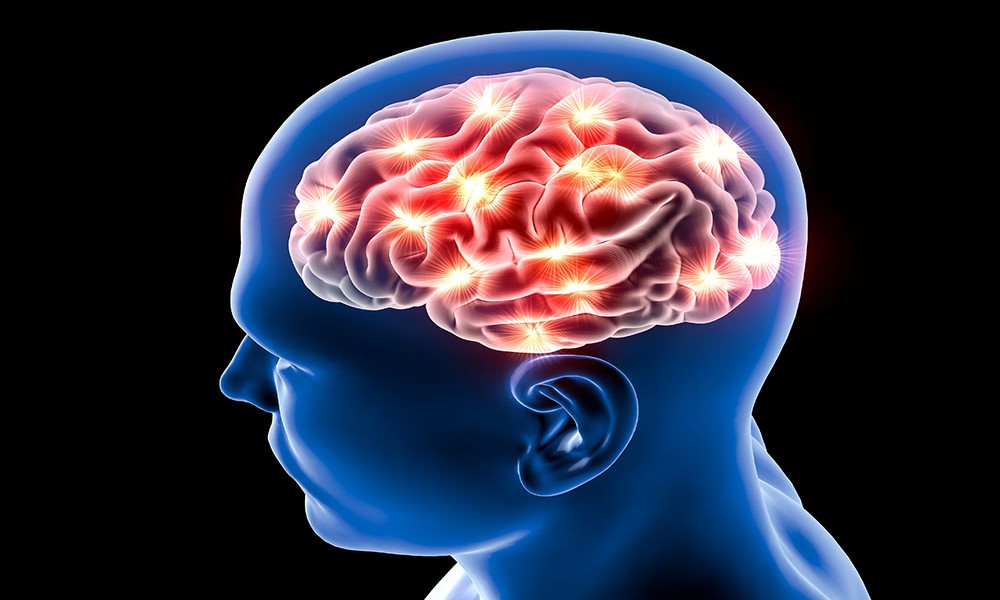
Living with a neurological condition can change daily life in unexpected ways. Simple activities such as walking, concentrating, speaking clearly, or managing routine tasks may suddenly require extra effort. For many people, these changes affect not only physical health but also emotional wellbeing, confidence, and independence.
Neurological disorders impact millions of people worldwide, and the number continues to grow due to ageing populations, lifestyle factors, and improved diagnosis rates. At the same time, medical science continues advancing through better rehabilitation methods, improved surgical precision, and supportive technologies. Modern healthcare environments now rely on specialized instruments, including Surgical Hooks, during delicate neurological procedures where accuracy and tissue protection remain critical.
Key Takeaways
- Neurological conditions can affect movement, memory, emotions, and communication
- Early diagnosis often improves treatment and recovery outcomes
- Mental health support is important during long-term neurological care
- Rehabilitation and lifestyle changes help many people maintain independence
- Consistent routines and strong support systems improve quality of life
How Neurological Conditions Affect Everyday Life
The nervous system controls nearly every function in the body. It helps regulate movement, balance, speech, breathing, memory, and sensory responses. When this system becomes disrupted, daily routines can become more difficult.
Some neurological conditions develop gradually, while others appear suddenly after injuries or medical emergencies. Common neurological disorders include:
- Parkinson’s disease
- Multiple sclerosis
- Stroke-related complications
- Epilepsy
- Peripheral neuropathy
- Alzheimer’s disease
- Traumatic brain injuries
Symptoms vary from person to person. Some individuals experience muscle weakness and coordination problems, while others struggle more with memory, concentration, or chronic fatigue.
Because symptoms differ widely, treatment plans usually require a personalized approach.
The Emotional Impact Often Goes Unnoticed
Neurological challenges affect more than physical movement. Many people also experience emotional stress as they adapt to lifestyle changes and uncertainty.
Tasks that once felt simple may become frustrating. Driving, writing, speaking clearly, or remembering appointments can suddenly require more focus and energy. Over time, this pressure may contribute to anxiety, social withdrawal, or depression.
Family support and emotional care therefore become an important part of treatment. Counseling, therapy, and support groups often help individuals manage stress more effectively while maintaining stronger emotional balance.
Why Early Diagnosis Makes a Difference
Doctors frequently emphasize early intervention because timely treatment may help slow progression or reduce complications in certain neurological conditions.
Modern diagnostic tools now allow healthcare providers to detect abnormalities earlier than before. Brain imaging, nerve testing, and cognitive assessments help doctors create more targeted care plans.
Rehabilitation also plays a major role in recovery and symptom management. Depending on the condition, treatment may include:
- Physical therapy
- Occupational therapy
- Speech therapy
- Cognitive rehabilitation
- Balance and coordination training
Consistent rehabilitation often helps patients improve mobility, communication, and overall independence over time.
Daily Habits Can Influence Long-Term Wellbeing
Lifestyle choices can strongly affect neurological health. While healthy habits may not cure neurological disorders, they often help support overall function and symptom management.
Many healthcare professionals recommend:
Staying Physically Active
Regular movement supports circulation, muscle strength, and balance. Gentle activities such as walking, stretching, or guided exercise programs may improve physical comfort and mobility.
Prioritizing Sleep
Poor sleep can worsen fatigue, concentration issues, and emotional stress. Consistent sleep routines help the brain and body recover more effectively.
Managing Stress Levels
Chronic stress may increase physical and emotional symptoms. Relaxation techniques, breathing exercises, and mindfulness practices can help reduce mental strain.
Maintaining Social Connection
Strong relationships and regular interaction often improve emotional resilience. Supportive environments help people feel less isolated while managing long-term conditions.
The Role of Medical Innovation in Neurological Care
Neurology continues evolving through better technology and treatment methods. Advances in minimally invasive surgery, rehabilitation devices, and precision-based procedures are improving patient outcomes in many areas.
Healthcare providers now use advanced imaging systems to guide treatment with greater accuracy. Rehabilitation technology has also expanded through digital therapy tools, mobility assistance systems, and interactive recovery programs.
Researchers continue studying nerve regeneration, brain stimulation therapies, and new rehabilitation strategies designed to improve long-term quality of life.
Although many neurological conditions still require ongoing care, modern treatment approaches increasingly focus on helping patients maintain independence and daily function.
Building Confidence through Support and Routine
Living with a neurological condition often requires patience and adaptation. Progress may happen slowly, but small improvements can still make a meaningful difference in everyday life.
Creating structured routines, following medical guidance, and staying connected with supportive people can help individuals manage challenges more confidently. Consistency usually matters more than perfection.
Many people living with neurological conditions continue building successful careers, relationships, and personal goals while learning practical ways to adjust to changing circumstances.
Final Thoughts
Neurological challenges can affect many aspects of life, from movement and memory to emotional wellbeing and independence. However, early medical support, rehabilitation, healthy routines, and emotional care can help individuals manage these conditions more effectively.
As healthcare technology continues improving, more people now have access to treatments and support systems that encourage better quality of life. With the right care and consistent support, individuals facing neurological conditions can continue navigating life with strength, adaptability, and confidence.

Comments are closed.