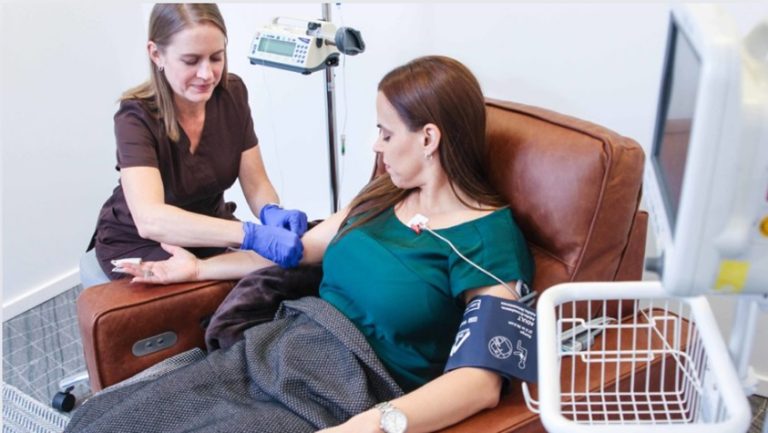
Residential addiction treatment, where clients live on-site for the duration of their program, produces consistently stronger outcomes than outpatient alternatives for moderate to severe substance use disorders. The 24-hour clinical environment removes access to substances, structures the recovery process, and allows for intensive therapeutic work over a sustained period.
These eight residential programs in Los Angeles offer clinically credible programming, qualified staff, and the structured environments that produce meaningful recovery outcomes.
1. Hollywood Hills Recovery
Hollywood Hills Recovery operates a residential program in which every aspect of the daily environment is designed to support recovery. Clients live on-site in luxury accommodations and participate in a full schedule of individual therapy, group sessions, holistic programming, and wellness activities supervised by their clinical team.
- Full-time residential care with 24-hour staff availability
- Individualized treatment plans updated throughout the residential stay
- Daily schedule integrating therapy, wellness, nutrition, and social activities
- Small facility size ensuring clinical attention and peer community
- Transition planning begins at intake and continues throughout the residential stay
2. Studio City Recovery
Studio City Recovery provides 24-hour inpatient care in a residential setting with specialized tracks for different demographics. Their 92% success rate reflects a structured program that takes aftercare planning seriously from the first week of treatment.
3. Cri-Help
Cri-Help in North Hollywood is a nationally accredited nonprofit residential program offering long-term treatment for complex addiction cases. Their 12-step-based model and community structure make it effective for clients who have cycled through shorter programs without lasting results.
4. The Salvation Army Adult Rehabilitation Centers
The Salvation Army operates residential rehab programs in Los Angeles for individuals who cannot access private-pay treatment. Their long-term program structure and work therapy model produce strong outcomes for clients committed to a sustained recovery effort.
5. Alta Centers
Alta Centers provides luxury residential addiction treatment in Los Angeles with medical detox integrated into the same facility. Their full continuum of care allows clients to move from detox into residential without disrupting the therapeutic relationship.
6. Numa Recovery Centers
Numa Recovery Centers in Hollywood offers a luxury residential program with 24-hour medical access, personalized treatment plans, and a strong focus on clients with co-occurring disorders alongside substance use.
7. Muse Treatment Center
Muse Treatment in Los Angeles offers residential programming with a strong dual diagnosis focus. Their clinical team addresses underlying psychiatric conditions alongside addiction, producing more stable long-term outcomes for complex cases.
8. Westwind Recovery
Westwind Recovery provides residential and outpatient addiction treatment in Los Angeles with an emphasis on affordable access to quality care. Their programs are accredited and accept most major insurance plans, broadening access for clients without private-pay resources.
Final Thoughts
The most effective residential programs combine structured daily programming with genuine individualization, ensuring that each client’s treatment plan reflects their specific addiction history, mental health status, and recovery goals. Residential programs that feel more like hotels than clinical facilities often lack the therapeutic depth needed for lasting change. For a residential addiction treatment program in Los Angeles that delivers genuine clinical depth within a comfortable environment, verifying staff credentials and daily programming structure before admission is essential.