Author

Benito Martin

Browsing

Gastric bypass surgery is a life-changing procedure that can significantly impact a person’s health and lifestyle. For women considering pregnancy after undergoing gastric bypass in Manhattan, it’s essential to understand the potential effects of the surgery on pregnancy and vice versa. This article explores the key considerations for women planning to conceive after gastric bypass surgery, including the benefits, risks, and necessary precautions.

Understanding Gastric Bypass Surgery

Gastric bypass surgery, or Roux-en-Y, transforms the digestive system by forming a small stomach pouch and redirecting the small intestine. This alteration drastically lessens food consumption and nutrient absorption, resulting in significant weight loss. Recognized as a potent solution for obesity and its associated health issues, it nevertheless necessitates enduring adjustments to diet and lifestyle.

Timing Your Pregnancy After Gastric Bypass

One of the most critical factors to consider is the timing of your pregnancy post-surgery. Most healthcare providers recommend waiting at least 12 to 18 months after gastric bypass surgery before trying to conceive. This waiting period allows your body to stabilize, reach a healthier weight, and adjust to the new nutritional regimen. Pregnancies that occur too soon after the surgery may result in nutritional deficiencies and complications for both the mother and the baby.

Nutritional Considerations During Pregnancy

Nutritional intake is a major concern for women who have undergone gastric bypass surgery. The procedure reduces the absorption of essential vitamins and minerals, which are crucial for a healthy pregnancy. Nutrient deficiencies, particularly in folate, iron, calcium, and vitamin B12, can lead to complications such as anemia, neural tube defects, and low birth weight. It’s important to work closely with your healthcare provider to monitor your nutritional status and take appropriate supplements to ensure a healthy pregnancy. For more information on dietary considerations post-surgery, you might want to read about eating corn after gastric bypass surgery.

Monitoring Weight Gain During Pregnancy

Weight management during pregnancy is another important aspect to consider. While weight gain is a natural part of pregnancy, excessive weight gain can negate the benefits of gastric bypass surgery. Conversely, insufficient weight gain can also pose risks to the baby’s development. Hence, adhering to a balanced diet and seeking guidance from a healthcare professional to ascertain the appropriate amount of weight gain based on your pre-pregnancy weight and overall health.

Potential Pregnancy Complications

While many women successfully have healthy pregnancies after gastric bypass surgery, there are potential risks and complications to be aware of. These may include gastrointestinal issues, such as bowel obstruction, internal hernias, or dumping syndrome. Additionally, women who experience severe morning sickness or hyperemesis gravidarum may find it challenging to maintain adequate nutrition and hydration. Regular prenatal care and close monitoring by a healthcare provider experienced in managing post-bariatric surgery pregnancies are vital to mitigating these risks.

Reversing Gastric Bypass: Is It Necessary?

In some cases, women may wonder whether reversing the gastric bypass procedure is necessary to have a healthy pregnancy. While gastric bypass reversal is possible, it is generally not recommended unless there are significant complications that cannot be managed through other means. For more details on this topic, consider reading about gastric bypass reversal.

Conclusion

Pregnancy after gastric bypass surgery requires careful planning and close collaboration with your healthcare team. By understanding the timing, nutritional needs, and potential risks, women can successfully navigate pregnancy and ensure the best outcomes for both themselves and their babies. Always seek advice from your healthcare provider to develop a customized plan tailored to your specific health requirements.

Are you considering Spravato treatment for depression? If you’re in the Annapolis area, you might be looking for a spravato treatment center in Annapolis to begin your journey towards improved mental health. Preparing for your first Spravato session is crucial for ensuring a smooth and effective treatment experience. This detailed guide will lead you through the crucial steps you need to undertake before your first appointment.

Understanding Spravato: What Is It?

Before diving into preparation tips, it’s important to understand what Spravato is and how it works. Spravato, also known as esketamine, is a nasal spray medication approved by the FDA for treating treatment-resistant depression and major depressive disorder with suicidal thoughts or actions. It’s a form of ketamine, but it is specifically designed for use in depression treatment.

Also Read: Spravato vs. Ketamine: Understanding the Differences

Steps to Prepare for Your First Spravato Treatment

  1. Consult with Your Healthcare Provider

The first step in preparing for Spravato treatment is to have a thorough consultation with your healthcare provider. They will assess your medical history, current medications, and overall health to determine if Spravato is right for you. Be prepared to discuss:

  • Your depression symptoms and history
  • Previous treatments you’ve tried
  • Any medications you’re currently taking
  • Any other medical conditions you have
  1. Arrange Transportation

Spravato can cause drowsiness and dizziness, so you won’t be able to drive yourself home after the treatment. Ensure a reliable friend or family member is arranged to transport you to your appointment and back. Some treatment centers may require this as a condition of treatment.

  1. Plan Your Schedule

A typical Spravato treatment session lasts approximately two hours. This includes administering the medication and a post-treatment observation period. Plan your day accordingly, allowing for rest time after your session.

  1. Prepare for Potential Side Effects

While everyone’s experience with Spravato differs, it’s important to be aware of potential side effects. These may include:

  • Nausea or vomiting
  • Dizziness
  • Anxiety
  • Increased blood pressure
  • Feeling disconnected from your body or surroundings

Discuss these potential side effects with your healthcare provider and how to manage them if they occur.

  1. Follow Pre-Treatment Instructions

Your healthcare provider will provide you with detailed instructions to adhere to prior to your treatment. These may include:

  • Avoiding food for at least 2 hours before treatment
  • Avoiding liquids for at least 30 minutes before treatment
  • Not using nasal sprays on the day of treatment

Adhering to these instructions is crucial for the effectiveness and safety of your treatment.

  1. Bring Comfort Items

The treatment session can last a couple of hours, so bring items that will make you comfortable. This might include:

  • Comfortable clothing
  • A light blanket
  • Headphones and calming music
  • A book or magazine
  1. Set Realistic Expectations

While Spravato can be highly effective for many people, setting realistic expectations is important. Some people may experience relief quickly, while others may need several treatments before noticing significant improvements. Discuss with your healthcare provider what you can reasonably expect from your treatment.

What to Expect During Your First Session

On the day of your first Spravato treatment, you’ll arrive at the treatment center and go through a brief health check. The medication will be administered as a nasal spray, which you’ll self-administer under the supervision of a healthcare provider. After taking the medication, you’ll be monitored for about two hours to ensure you’re responding well to the treatment.

After Your First Treatment

After your session, you may feel tired or disconnected. It’s important to:

  • Rest for the remainder of the day
  • Avoid operating machinery or making important decisions
  • Stay hydrated
  • Follow any additional instructions provided by your healthcare team

Long-Term Considerations

Spravato treatment is typically part of a comprehensive treatment plan that may include other medications and therapy. Regular follow-ups with your healthcare provider will be necessary to monitor your progress and adjust your treatment. Learn more about what to expect from Spravato treatment.

Conclusion

Preparing for your first Spravato treatment session is an important step in your mental health journey. Following these guidelines and working closely with your healthcare provider can set you up for the best possible treatment experience. Remember, seeking help for depression is a sign of strength, not weakness. If you’re considering Spravato treatment in the Annapolis area, contact a reputable treatment center to learn more about how this innovative therapy could benefit you.

Taking the first step towards Spravato treatment can be both exciting and nerve-wracking. By being well-prepared and informed, you can confidently approach your first session. Remember, your healthcare team supports you every step of the way. Here’s to taking a positive step toward improved mental health and well-being!

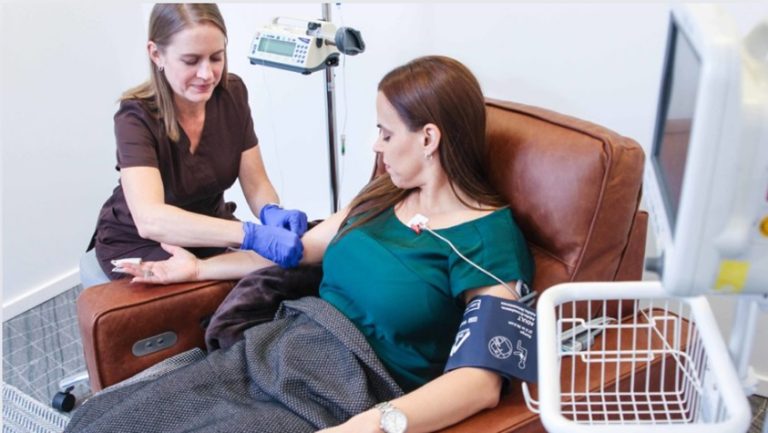
Ketamine therapy has emerged as a promising treatment option for individuals struggling with opiate withdrawal. Located in Fort Lauderdale, specialized clinics offer ketamine sessions that aim to provide relief from the challenging symptoms associated with opiate detoxification. The unique properties of ketamine target the NMDA receptors in the brain, helping to alleviate withdrawal symptoms and reduce cravings. According to experts, ketamine for opiate withdrawal in Fort Lauderdale can be a game-changer for those looking to overcome addiction without the severe discomfort of withdrawal.

Understanding Ketamine Therapy

Ketamine has been used medically for decades, primarily as an anesthetic. Its newfound application in addiction treatment leverages its ability to reset specific neural pathways that are disrupted by substance abuse. The therapeutic process typically involves a series of infusions administered under medical supervision. Patients often report rapid relief from symptoms, which is particularly beneficial for those experiencing severe opiate withdrawal.

Benefits of Ketamine for Opiate Withdrawal

One of the significant advantages of using ketamine therapy is its ability to provide quick symptom relief. Traditional withdrawal treatments can take weeks or even months to become effective. Ketamine, on the other hand, often shows results within hours of the initial infusion. This swift action can be critical for maintaining motivation and coping with the initial harsh phases of withdrawal.

Furthermore, ketamine has shown a remarkable capability to alleviate the psychological aspects of addiction, including anxiety and depression, which are common during opiate withdrawal. It provides a holistic approach by addressing both the physical and mental aspects of the detoxification process.

Comparisons with Other Treatments

While there are various methods available for managing opiate withdrawal, such as methadone and buprenorphine, these treatments sometimes come with a risk of dependency themselves. In contrast, ketamine provides a different mechanism of action that does not involve opioid receptors, thus reducing the likelihood of developing an additional dependence.

Addressing Benzodiazepine Withdrawal

In addition to treating opiate withdrawal, ketamine therapy has also shown efficacy in managing symptoms related to benzodiazepine withdrawal. Clinics offering ketamine for benzo withdrawal have noted improved outcomes for patients undergoing detox from benzodiazepines. This expanded utility of ketamine makes it a versatile tool in the arsenal against various forms of substance use disorder.

Conclusion

Ketamine therapy represents a significant advancement in the treatment of opiate withdrawal, providing rapid, effective relief that addresses both physical and psychological symptoms. Through careful medical supervision, individuals dealing with withdrawal can find a new path to recovery, one that offers hope and reduced suffering. Consider exploring ketamine treatment options for a more comfortable and manageable withdrawal experience.

Frequently Asked Questions

What is ketamine therapy?

Ketamine therapy involves the use of ketamine infusions to treat various conditions, including opiate withdrawal, by targeting neural pathways in the brain.

How quickly does ketamine start working for opiate withdrawal?

Patients often begin to experience relief within hours of the initial infusion, making it a fast-acting treatment option.

Chronic pain is a common and complex condition that affects millions of people worldwide. It is defined as any persistent or recurrent pain that lasts for more than three months, often beyond the expected healing time of an injury or illness. This type of pain can be debilitating, severely impacting a person’s quality of life and daily functioning. Therefore, seeking a reputable pain clinic in Des Moines can be the first step toward managing chronic pain. So, if you are experiencing persistent pain, it is essential to understand the condition and seek appropriate treatment.

What Causes Chronic Pain?

The leading causes of either acute pain vs. chronic pain are often due to underlying health conditions and injuries. These include:

  1. Musculoskeletal disorders: Conditions that affect the muscles, bones, joints, and other connective tissues in the body.
  2. Nerve damage or dysfunction: Nerves play a critical role in transmitting pain signals from the affected area to the brain.
  3. Chronic illness or disease: Certain chronic illnesses like arthritis, fibromyalgia, and multiple sclerosis can cause persistent pain.
  4. Injuries: A past injury can lead to ongoing pain if not appropriately treated or healed.
  5. Surgery: Some surgeries can result in chronic pain even after successful procedures.

The Role of the Pain Clinic Specialist

A pain clinic specialist is a medical professional with specialized training and expertise in diagnosing, managing, and treating chronic pain. They work with a multidisciplinary team to develop an individualized treatment plan that addresses the underlying cause of the pain while also considering the patient’s overall well-being. They may use a combination of medications, physical therapy, psychological interventions, and other non-invasive treatments to manage chronic pain effectively.

Moreover, a pain clinic near me understands the complexities of chronic pain and its impact on patients’ physical, emotional, and mental health. They can provide valuable insights, education, and support to help patients cope with their condition and improve their quality of life. By understanding what you should expect from a pain clinic, you will be better prepared for your first appointment and have realistic expectations about the treatment process.

Managing Chronic Pain

Managing chronic pain is an ongoing process that requires patience, commitment, and collaboration with healthcare providers. Here are a few general tips to help you manage your chronic pain:

  1. Stay active: Regular exercise can help improve muscle strength, flexibility, and overall function while reducing pain levels.
  2. Practice relaxation techniques: Techniques such as deep breathing, meditation, and yoga can help reduce stress and promote relaxation, which may alleviate chronic pain symptoms.
  3. Follow a healthy diet: A balanced diet rich in fruits, vegetables, and lean protein can help reduce inflammation and support overall health.
  4. Take medications as prescribed: It is crucial to take medications as directed by your pain clinic specialist to effectively manage your pain.

Seeking Help for Chronic Pain

If you are experiencing persistent or recurrent pain, do not suffer in silence. Seek help from a reputable pain clinic in your area to receive an accurate diagnosis and tailored treatment plan. Remember that managing chronic pain is a team effort, and with the right support and resources, you can improve your quality of life.  So don’t hesitate to reach out for professional assistance today! Whether it’s through medication, therapy, or lifestyle changes, there are many ways to effectively manage chronic pain and improve your overall well-being. You don’t have to suffer alone – seek help and take control of your health today!

In our fast world, we all want relaxation to maintain our mental health.We want to minimize our stress so that we can enjoy the beauty of life. To find effective ways to relax and calm down our mood is important. One of the most strengthened methods to gain this is through massage. Massage is actually a therapy. In this article, we’ll explore various techniques to help you relax your body, with a focus on the profound benefits of medical massage therapy.

First of all we have to understand the nature of stress, how our body affects our moods and how our stress affects our body. Both these bodies and stress go side by side. Chronic stress can cause muscle tension, severe pain in the head, digestive issues, and even long-term health problems such as chronic heart disease. Therefore, by doing regular relaxation practices into your routine can minimize these adverse effects and promote overall health.

Techniques to Relax Your Body

Deep Breathing Exercises:

How It Works: Deep breathing exercises relax the body. It involves taking slow, deep breaths to calm your nervous system.

Benefits: eradicates anxiety, slows down blood pressure, and improves oxygen flow to your brain. You should take a deep breath. First of all, inhale a long breath into your lungs then count till 4 and now you can exhale. It works very well.

Progressive Muscle Relaxation (PMR):

How It Works: PMR is a method in which first you tighten your muscles and then you slowly release them. Muscles are actually of different kinds of groups. In this procedure every group works well. 

Benefits: Helps recognize and eradicate muscle tension, promulgating overall relaxation.

Try This: Start with your feet and work your way up, tensing each muscle group for five seconds before releasing.

Meditation and Mindfulness:

How It Works: Meditation involves focusing your mind on a particular object, thought, or activity to train attention and awareness.

Benefits: Reduces stress, enhances emotional health, and promotes self-awareness.

Try This: Spend a few minutes each day sitting quietly, focusing on your breath, and letting go of distracting thoughts.

Hydrotherapy:

Water is used to relax the body in Hydrotherapy. In Hydrotherapy, a flux of water is induced in the body and all the muscles get relaxed. It flourishes physical well-being. Hydrotherapy uses water to relieve discomfort and promote physical well-being.

Benefits: Eases muscle tension, improves circulation, and reduces stress.

Try This: Take a warm bath with Epsom salts to soothe tired muscles and calm your mind. 

How does Therapy Works:

Personalized Treatment: Medical massage therapists assess your specific needs and customize the treatment to target problem areas.

Techniques Used: Various techniques such as deep tissue massage, trigger point therapy, and myofascial release are employed to alleviate pain and tension.

Holistic Benefits: Beyond physical relaxation, medical massage therapy can reduce anxiety, improve sleep quality, and enhance overall well-being.

It is very important to relax your body to gain the maximum sum of your mental health. When you do daily exercises and relax your body your life achieves a balance on which you establish a healthy life. But medical massage therapy is higher than any other relaxation techniques. So, take a step towards a more relaxed and healthier you—your body will thank you.

The fitness industry is evolving rapidly, and online training sessions have become integral to this transformation. As a fitness professional, the power to implement online training is in your hands. Your revenue, and offer flexible training solutions to your clients. To effectively implement online training sessions and leverage technology to transform your fitness business.

The Rise of Online Fitness Training Sessions

The demand for online fitness training sessions has surged, driven by technological advancements and changing consumer preferences. Clients now seek the convenience of training from home or on the go, making virtual fitness coaching a valuable addition to your service offerings. Integrating online training into your business allows you to cater to a broader audience and provide personalized fitness solutions that meet modern needs.

Choosing the Right Online Personal Training Platform

Selecting the best online personal training platform is crucial for delivering high-quality training sessions. FitBudd offers an all-in-one solution to help fitness professionals manage their businesses efficiently. Setting up FitBudd is as easy as [specific steps], and once you’re up and running, you can take advantage of features like automated scheduling, client progress tracking, and seamless communication. FitBudd enables you to deliver exceptional training experiences and scale your business effectively.

Implementing Virtual Training for Your Clients

To implement virtual training, understand your client’s needs and preferences. Offer a mix of live video sessions, on-demand workout videos, and personalized training plans. Live sessions provide a real-time connection and accountability, while on-demand content allows clients to train at their convenience. FitBudd’s platform supports live and recorded sessions, ensuring you can meet diverse client needs and foster a sense of connection.

Benefits of Transforming Your Fitness Business Online

  1. Increased Reach: Expand your client base beyond geographical limitations.
  2. Flexibility: Offer training sessions that fit into your clients’ schedules.
  3. Scalability: Manage multiple clients efficiently with digital tools.
  4. Increased Revenue: Introduce new income streams through virtual classes and digital products.
  5. Enhanced Client Engagement: Use technology to track progress, provide feedback, and maintain communication.

Using Fitness Business Software for Efficiency

Effective fitness business software is essential for streamlining your operations. FitBudd’s software includes features like client management, automated billing, and progress tracking, which help you focus on delivering quality training rather than administrative tasks. This efficiency not only saves time but also enhances the client experience. For example, [specific features or tools] 

Engaging Clients with Virtual Fitness Coaching

Maintaining high levels of client engagement is crucial for online trainers’ retention and success. Personalize your coaching approach by regularly checking in with clients, providing tailored feedback, and adjusting training plans based on their progress. FitBudd’s communication tools make staying connected with your clients easy, ensuring they feel supported and motivated.

Increasing Revenue with Online Training

Implementing online training can significantly increase revenue with online training. Offer various packages, such as one-on-one coaching, group classes, and subscription-based on-demand workouts. Additionally, consider upselling services like personalized nutrition plans or wellness coaching. FitBudd’s platform supports diverse revenue streams, helping you maximize your earning potential.

Creating Scalable Online Fitness Programs

Design training modules that multiple clients can use with slight modifications to create scalable online fitness programs. Develop a library of workout videos, educational content, and training plans that clients can access anytime. This approach allows you to serve more clients without significantly increasing your workload. FitBudd’s platform makes it easy to create and manage these scalable programs by [specific features or tools].

Personal Trainer Virtual Sessions: Best Practices

Leveraging Digital Fitness Business Tools

Utilize digital fitness business tools to enhance your training services. Tools for video conferencing, progress tracking, and client management are essential for delivering a seamless online training experience. FitBudd’s platform integrates these tools, providing a comprehensive solution for managing your virtual fitness business.

Managing Online Training Sessions Effectively

Effective online training management involves planning, organization, and consistent communication. Sessions should be scheduled in advance, clients should be reminded, and attendance and progress should be tracked. FitBudd’s automated scheduling and reminders help ensure that sessions run smoothly and clients stay engaged.

Encouraging Clients to Book a Demo

Encouraging potential clients to Book a Demo of your services can give them a firsthand experience of what you offer. FitBudd’s demo feature allows trainers to showcase the functionalities of their app and the value of their training programs. Including a clear call to action on your website and marketing materials can drive more demo bookings and convert prospects into clients.

Monitoring and Analyzing Business Performance

Acquisition, retention rates, and revenue streams. FitBudd’s performance analytics provide detailed insights into your business, helping you make data-driven decisions and optimize your strategies. For example, [specific insights or metrics] can help you understand [specific business aspects] and make [particular types of decisions].

Promoting Your Online Personal Training Services

Effective promotion is critical to attracting new clients. To showcase your services. Highlight the benefits of online training, share client success stories, and offer introductory discounts to attract new clients. FitBudd’s marketing tools can help you create and execute successful promotional campaigns using [specific features or tools].

Building a Strong Online Presence

Optimizing your website with relevant keywords like ‘transform your fitness business’ and ‘online personal training platform’ can improve your search engine rankings. . Expertise and client testimonials can also help can also help. ItBudd’s platform can help you optimize your website using [specific features or tools].

In conclusion, implementing online training sessions can be a catalyst for transformative growth in your fitness business. It offers flexibility, scalability, and increased revenue potential. By leveraging the right tools and strategies, you can deliver exceptional training experiences and attract a broader audience. FitBudd provides comprehensive solutions to help fitness professionals not just grow, but thrive in their businesses with the power of its apps on iOS and Android. FitBudd is your partner in success, ensuring you have everything you need to excel in the competitive fitness industry.

Breastfeeding is a beautiful and natural bonding experience between a mother and her baby. However, it can also bring unique challenges for mothers with medical conditions. That’s where lactation consultants come in. These knowledgeable and compassionate professionals play a vital role in empowering mothers with medical conditions to breastfeed their babies successfully.

The Importance Of Breastfeeding For Mothers With Medical Conditions

Breastfeeding is widely recognized as the optimal source of infant nutrition, providing essential antibodies and nutrients that protect against various illnesses and promote healthy development. For mothers with medical conditions, breastfeeding offers additional benefits. It can help manage certain medical conditions, such as diabetes or high blood pressure, and reduce the risk of complications for both the mother and the baby. Breast milk contains specific components that can support infants’ health and immune systems, which is especially important for babies born to mothers with medical conditions.

What Is A Lactation Consultant And Their Role In Breastfeeding Success

Lactation consultants are trained professionals who specialize in providing breastfeeding support and guidance to mothers. They have extensive knowledge about breastfeeding techniques, anatomy, and common challenges that may arise during the breastfeeding journey. Lactation consultants are crucial in empowering mothers with medical conditions to overcome obstacles and achieve breastfeeding success.

A lactation consultant’s role is multifaceted. They offer education and practical strategies to address medical concerns that may affect breastfeeding. This includes helping mothers manage medication while breastfeeding, adapting breastfeeding positions to accommodate physical limitations, and providing guidance on maintaining milk supply. Lactation consultants also offer emotional support, empowering mothers to overcome any doubts or concerns they may have about breastfeeding with a medical condition.

Common Medical Conditions That May Affect Breastfeeding

Various medical conditions can impact a mother’s ability to breastfeed. Some common examples include:

  • Diabetes: Mothers with diabetes may face challenges in regulating blood sugar levels while breastfeeding. Lactation consultants can guide managing diabetes medications, monitoring blood sugar levels, and ensuring a healthy breastfeeding routine.
  • Thyroid disorders: Thyroid conditions, such as hypothyroidism or hyperthyroidism, can affect milk production and the let-down reflex. Lactation consultants can help mothers with thyroid disorders optimize their breastfeeding experience through appropriate interventions and support.
  • Breast surgery: Mothers who have undergone breast surgery, such as breast augmentation or reduction, may experience difficulties with milk production or latching. Lactation consultants can provide strategies to overcome these challenges, including techniques for increasing milk supply or alternative feeding methods.

How Lactation Consultants Support Mothers With Medical Conditions

Lactation consultants provide personalized support tailored to the specific medical conditions of each mother. They work closely with healthcare providers to ensure a comprehensive approach to breastfeeding support. Here are some of the ways lactation consultants support mothers with medical conditions:

  • Education and guidance: Lactation consultants educate mothers about the impact of their medical conditions on breastfeeding and provide evidence-based information to address concerns. They offer practical medication management strategies, monitoring health parameters, and optimizing breastfeeding techniques.
  • Emotional support: Breastfeeding can be emotionally challenging, especially for mothers with medical conditions. Lactation consultants provide empathetic and compassionate support, helping mothers navigate their emotions and build confidence in their ability to breastfeed successfully.
  • Lactation consultants excel at problem-solving, adeptly addressing common breastfeeding challenges caused by medical conditions. They assist mothers in troubleshooting issues like low milk supply, breast plugged ducts, and resolving latching problems.

The Benefits Of Working With A Lactation Consultant

Working with a lactation consultant can benefit mothers with medical conditions. Some of these include:

  1. Increased breastfeeding success: With the guidance and support of a lactation consultant, mothers with medical conditions can overcome challenges and achieve their breastfeeding goals. Lactation consultants can provide strategies to optimize milk supply, manage medications, and navigate any physical limitations.
  2. Confidence and empowerment: Breastfeeding with a medical condition can feel overwhelming and uncertain. Lactation consultants give mothers the knowledge and tools to feel confident in their breastfeeding ability. This empowerment can have a positive impact on a mother’s overall well-being.
  3. Improved health outcomes: Breastfeeding offers a range of health benefits for both mothers and babies. With the support of a lactation consultant, mothers with medical conditions can maximize these benefits and reduce the risk of complications related to their condition.

The Impact Of Lactation Consultants On Maternal And Infant Health Outcomes

The impact of lactation consultants extends beyond breastfeeding success. Numerous studies have shown that breastfeeding has significant health benefits for mothers and infants. Lactation consultants are crucial in promoting and supporting breastfeeding, thereby contributing to improved health outcomes for both mothers and babies. By addressing mothers’ unique challenges with medical conditions, lactation consultants help ensure these women can provide the best nutrition and care for their infants.

Conclusion: The Crucial Role Of Lactation Consultants In Empowering Mothers With Medical Conditions

Breastfeeding can be challenging for mothers with medical conditions, but with the support of lactation consultants, these challenges can be overcome. Lactation consultants play a vital role in empowering mothers by providing education, emotional support, and practical strategies to navigate the complexities of breastfeeding. They bridge the gap between medical care and breastfeeding success, ensuring that mothers with medical conditions can confidently and safely breastfeed their babies. With their expertise and guidance, lactation consultants empower mothers to provide their infants with the best possible start, setting a solid foundation for their health and well-being.

Cardiovascular health is pivotal in maintaining overall well-being and longevity. It encompasses the functionality and conditions related to the heart and blood vessels. Understanding the basics of cardiovascular disease, the heart’s key functions, and the risk factors associated with heart disease is essential for prevention and management.

What is Cardiovascular Disease?

Cardiovascular disease refers to a range of conditions that affect the heart and blood vessels. It includes common issues like coronary artery disease, heart attacks, and strokes. Recognizing the signs and understanding the causes can lead to early intervention and better health outcomes.

Key Functions of the Heart

The heart is a vital organ responsible for pumping blood throughout the body, supplying oxygen and nutrients, and removing waste products. Its proper function is crucial for sustaining life and supporting other organs’ functions.

Risk Factors for Heart Disease

Several factors can increase the risk of developing heart disease. These include:

  • Genetics: A family history of heart disease can increase risk.
  • Age: The risk increases as one gets older.
  • Lifestyle choices: Poor diet, lack of exercise, and smoking.
  • Medical conditions: High blood pressure, high cholesterol, and diabetes.
    Understanding and mitigating these risk factors can significantly improve cardiovascular health and reduce the likelihood of heart-related issues.

Importance of Regular Exercise

Regular exercise plays a crucial role in maintaining cardiovascular health. Engaging in physical activity helps strengthen the heart muscle, improve blood circulation, and reduce the risk of heart disease and stroke.

Types of Cardiovascular Exercises

  • Aerobic exercises: such as walking, running, and swimming, which increase heart rate and improve endurance.
  • Strength training: involving resistance exercises to build muscle and support heart health.
  • Flexibility exercises: like yoga and stretching, which enhance muscle elasticity and prevent injuries.

Benefits of Regular Physical Activity

  • Enhanced heart function: Regular exercise helps the heart pump more efficiently.
  • Lower blood pressure: Physical activity can reduce hypertension, a major risk factor for heart disease.
  • Improved cholesterol levels: Exercise can help lower levels of bad LDL cholesterol and increase good HDL cholesterol.

Exercise Recommendations by Age

  • Children (6-17 years): At least 60 minutes of moderate-to-vigorous activity daily.
  • Adults (18-64 years): Minimum of 150 minutes of moderate aerobic activity or 75 minutes of vigorous activity per week, plus muscle-strengthening activities on two or more days.
  • Older adults (65 years and older): Should follow adult guidelines as able, including activities that promote balance and flexibility.

Nutrition and Heart Health

Heart-Healthy Diet Basics

A heart-healthy diet emphasizes the intake of vegetables, fruits, whole grains, and lean proteins. It limits the consumption of saturated fats, trans fats, and high amounts of salt and sugar. Key components include:

  • Fruits and vegetables: Rich in vitamins, minerals, and antioxidants.
  • Whole grains: Such as oats, brown rice, and whole wheat.
  • Lean proteins: Including fish, poultry, and plant-based sources like beans and lentils.

Foods to Avoid

To maintain optimal heart health, certain foods should be minimized or avoided:

  • Saturated fats: Found in red meat and full-fat dairy products.
  • Trans fats: Commonly found in fried foods, baked goods, and processed snacks.
  • High sodium foods: Excessive salt intake can lead to high blood pressure.

Importance of Omega-3 Fatty Acids

Omega-3 fatty acids are crucial for heart health, reducing inflammation and lowering the risk of heart disease. They are predominantly found in:

  • Fish: Such as salmon, mackerel, and sardines.
  • Nuts and seeds: Including flaxseeds, chia seeds, and walnuts.
  • Plant oils: Such as flaxseed oil and canola oil.

Monitoring Your Heart Health

Maintaining a vigilant eye on heart health is crucial for early detection and management of cardiovascular issues. Regular monitoring can help identify potential problems before they escalate, ensuring a proactive approach to heart care.

Understanding Blood Pressure and Cholesterol

Blood pressure and cholesterol levels are vital indicators of cardiovascular health. Regular checks can prevent complications such as heart attacks or strokes. It’s important to understand the optimal levels and what adjustments might be necessary to maintain them.

Tools for Monitoring Heart Health

A variety of tools are available to assist individuals in keeping track of their heart health. These include blood pressure monitors, cholesterol testing kits, and wearable technology that tracks heart rate and rhythm. Utilizing these tools can provide insights into heart function and alert users to any abnormal changes.

When to See a Cardiologist

It is essential to know when to seek expert advice. Key moments include experiencing symptoms like chest pain or shortness of breath, a significant change in blood pressure or cholesterol levels, or if there is a family history of heart disease. Regular check-ups with a cardiologist can lead to early detection and management of potential issues, ensuring a healthier heart.

Managing Stress for a Healthy Heart

Stress is a common factor that can significantly impact cardiovascular health. Chronic stress can lead to high blood pressure, a major risk factor for heart disease. It is crucial to adopt effective stress management techniques to maintain a healthy heart.

Impact of Stress on Heart Health

Chronic stress triggers the body’s fight-or-flight response, releasing hormones that increase heart rate and blood pressure, potentially leading to long-term cardiovascular problems. Managing stress is essential for maintaining optimal heart health and preventing heart disease.

Stress Management Techniques

  • Regular physical activity is a proven way to reduce stress.
  • Engaging in hobbies and activities that bring joy can also help lower stress levels.
  • Professional counseling or therapy can be beneficial for those dealing with high levels of stress.

Role of Meditation and Relaxation

Meditation and relaxation techniques such as yoga and deep breathing exercises can significantly reduce stress. These practices help calm the mind and have a positive effect on heart rate and blood pressure. Incorporating these techniques into daily routines can lead to better heart health and overall well-being.

The Role of Sleep in Cardiovascular Health

Sleep plays a crucial role in maintaining cardiovascular health. Adequate sleep helps regulate stress hormones and assists in the proper functioning of the body’s repair processes, which are vital for heart health.

How Sleep Affects the Heart

Poor sleep can lead to higher blood pressure and inflammation, increasing the risk of heart disease. Consistent good sleep helps to maintain a healthy heart rate and blood pressure, reducing the overall stress on the heart.

Tips for Better Sleep

  • Maintain a regular sleep schedule.
  • Create a restful environment in the bedroom.
  • Avoid caffeine and heavy meals before bedtime.
  • Limit exposure to screens and bright lights in the evening.

Link Between Sleep Disorders and Heart Disease

Sleep disorders such as sleep apnea can significantly impact heart health. These conditions lead to interrupted sleep patterns and can increase the risk of developing heart disease. Managing these disorders is crucial for maintaining optimal cardiovascular health.

Advancements in Cardiovascular Medicine

Recent Innovations in Heart Treatment

The field of cardiovascular medicine has seen significant advancements in recent years. Innovations such as minimally invasive surgical techniques, improved stent designs, and advanced drug therapies have revolutionized the treatment of heart disease. These developments not only enhance the effectiveness of treatments but also reduce recovery times and improve patient outcomes.

The Future of Heart Health Technology

The future of heart health technology promises even greater strides in diagnosing, treating, and preventing heart disease. Wearable technology that monitors heart health in real-time and AI-driven diagnostic tools are on the horizon. These technologies aim to provide earlier detection of heart conditions and more personalized treatment plans.

Genetics and Personalized Medicine

Personalized medicine is becoming increasingly important in the treatment of cardiovascular disease. By understanding a patient’s genetic profile, doctors can tailor treatments that are more effective and have fewer side effects. This approach not only improves patient care but also helps in the development of new therapies that are specific to individual genetic makeups.

According to a study published in the U.S. National Library of Medicine, compression wear has been proven to improve athletic performance and aid in recovery. With this increasing popularity, it can be overwhelming to choose the right compression wear for your needs. It is designed to provide graduated pressure on specific areas of the body, which can improve blood flow and reduce muscle fatigue. This results in better performance, faster recovery, and reduced risk of injury. However, with the plethora of options available in the market for compression wear in Roswell, it is important to understand how to choose the right compression wear for your specific needs.

Understand Your Needs

The first step in choosing the right compression wear is to understand your needs. Are you looking for compression wear to improve your athletic performance or to aid in recovery? Different types of compression wear cater to different needs. For example, compression tights are designed for running and cycling, while compression sleeves are more suitable for weightlifting.

Consider the Material

The material used in compression wear is crucial as it determines the comfort and durability of the garment. Compression wear is typically made from materials such as nylon, spandex, and polyester. Nylon is known for its durability, while spandex provides stretch and flexibility. It is important to choose a material that is comfortable for your skin and allows airflow to prevent excessive sweating.

Find the Right Fit

Proper fit is essential in getting the full benefits of compression wear. Compression wear should be snug, but not too tight that it restricts movement or causes discomfort. It should also not be loose as it will not provide the proper pressure needed for its benefits. Most manufacturers have a size chart to help you find the right fit for your body measurements.

Consider the Compression Level

Compression wear is available in different levels of compression, measured in mmHg (millimeters of mercury). The higher the mmHg, the tighter the garment will be. Mild compression (less than 20 mmHg) is suitable for daily wear or low-impact activities, while high compression (above 30 mmHg) is recommended for intense workouts and recovery.

Do Your Research

It is important to do your research before purchasing compression wear. Look for reviews and testimonials from other users to get a better understanding of the product’s quality and effectiveness. You can also consult with a healthcare professional or an experienced athlete for recommendations.

Consider Your Budget

Compression wear can range from affordable to high-end prices. While it may be tempting to go for cheaper options, keep in mind that higher-quality compression wear will provide better support, durability, and effectiveness. Consider your budget, but also prioritize the quality of the product.

Conclusion

Choosing the right compression wear can greatly benefit your athletic performance and recovery. With these tips in mind, you can make an informed decision on which compression wear best suits your needs. Remember to understand your needs, consider the material, find the right fit and compression level, do your research, and consider your budget. Thanks for reading.

Pregnancy is a time when a woman’s body undergoes many changes to support the growth and development of her baby. One of the most crucial aspects of this stage is proper nutrition, which directly affects the health and well-being of both mother and child. While all vitamins are essential during pregnancy, one group that plays a vital role is the Vitamin B complex. In this article, we will discuss the importance of Vitamin B complex during pregnancy and for fetal development.

What is Vitamin B Complex?

Vitamin B complex refers to a group of eight water-soluble vitamins that are essential for various bodily functions. These include thiamine (B1), riboflavin (B2), niacin (B3), pantothenic acid (B5), pyridoxine (B6), biotin (B7), folic acid (B9), and cobalamin (B12). Each of these vitamins has a specific role to play in maintaining the health of our body.

Why is Vitamin B Complex Important During Pregnancy?

Pregnancy puts a significant strain on a woman’s body as it works to support the growth and development of the baby. This is why pregnant women need more vitamins and minerals than usual to ensure that both mother and child are getting enough nutrients. If they feel fatigued or deficient in any of the essential nutrients, it is essential to take them to an experienced doctor for vitamin B complex in Davie, as they can provide the appropriate supplements needed and make sure that the mother and baby remain healthy.

Benefits of Vitamin B Complex During Pregnancy

Supports Fetal Development: Vitamin B complex is crucial for the development of the baby’s brain, spine, and nervous system. It also helps in the production of red blood cells, which carry oxygen to the developing fetus.

  1. Helps Prevent Birth Defects: Folic acid (B9) is an essential vitamin in the B complex group that helps prevent birth defects such as spina bifida and anencephaly. Pregnant women should take 400-800 micrograms of folic acid daily.
  2. Boosts Energy Levels: Pregnancy can leave women feeling constantly fatigued, especially during the first and third trimesters. Vitamin B complex helps in converting food into energy, giving expecting mothers the much-needed boost to get through the day.
  3. Reduces Nausea and Vomiting: Vitamin B6, also known as pyridoxine, has been found to be effective in reducing nausea and vomiting during pregnancy. It is commonly prescribed by doctors to women experiencing morning sickness.
  4. Helps with Anemia: Iron deficiency anemia is a common condition during pregnancy, which can lead to complications for both mother and child. Vitamin B12 helps in the production of red blood cells, preventing anemia.

Foods Rich in Vitamin B Complex

The best way to get the required amount of Vitamin B complex is through a healthy and balanced diet. Some foods that are rich in this group of vitamins include:

  • Whole grains such as brown rice, oats, and quinoa
  • Leafy green vegetables like spinach and kale
  • Legumes such as lentils, beans, and peas
  • Nuts and seeds, especially almonds, walnuts, and chia seeds
  • Dairy products like milk and cheese
  • Eggs and lean meats like chicken and turkey

Conclusion

Pregnancy is a beautiful journey that brings about significant changes in a woman’s body. Ensuring proper nutrition through a healthy diet and appropriate supplements is crucial for the health and well-being of both mother and child. While taking supplements, it is crucial to know who should take vitamin B12 injections and why. It is important to consult with a doctor before starting any new medication. Vitamin B complex plays a vital role in supporting fetal development and preventing birth defects, making it an essential component of every pregnant woman’s diet. So be sure to include foods rich in this group of vitamins for a healthy pregnancy and a healthy baby!