Category

Health

Category

Liposuction, also known as lipoplasty or body contouring, is one of the most popular cosmetic procedures worldwide. It involves the removal of excess fat from various areas of the body, helping individuals achieve a more sculpted and toned appearance. In Bahrain, the demand for liposuction has been steadily increasing as people seek non-invasive solutions to body shaping. This blog post explores what liposuction entails, the benefits, risks, and why Bahrain is becoming a sought-after destination for cosmetic surgery.

What is Liposuction?

Liposuction is a cosmetic surgery that targets localized fat deposits, which can be stubborn and resistant to diet and exercise. Common treatment areas include the abdomen, thighs, arms, flanks (love handles), buttocks, and under the chin. The procedure involves the use of a thin tube (cannula) inserted through small incisions in the skin. The cannula is used to break down and suction out excess fat from the targeted area.

While liposuction is not a weight-loss procedure, it is an effective way to contour and refine the body, especially for individuals who are close to their ideal weight but have specific areas of fat that are difficult to reduce.

Why Choose Bahrain for Liposuction?

Bahrain, a small island nation in the Arabian Gulf, has become an attractive destination for medical tourism, particularly for cosmetic surgery. Here are some reasons why people are choosing Bahrain for liposuction:

1. Highly Qualified Surgeons

Bahrain is home to a growing number of highly trained and internationally accredited plastic surgeons who specialize in liposuction and other body-contouring procedures. Many surgeons have trained in Europe or North America and are members of global professional associations, ensuring they adhere to the highest standards of care and safety.

2. State-of-the-Art Medical Facilities
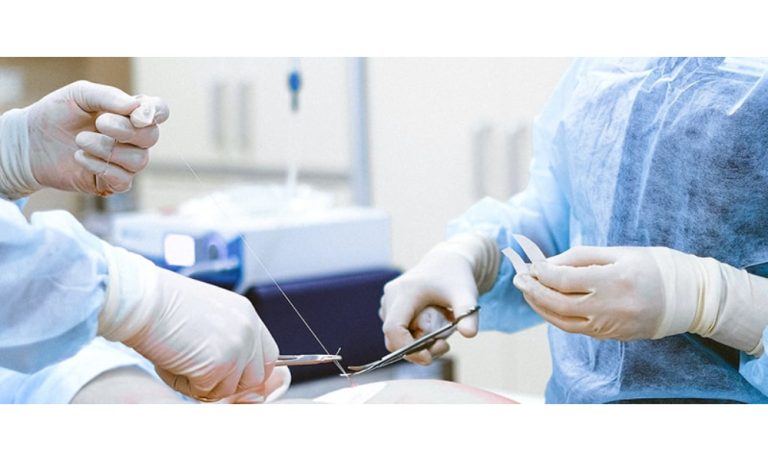
Liposuction Surgery

The country boasts modern, well-equipped medical facilities that meet international standards. Hospitals and clinics in Bahrain are equipped with advanced technology for liposuction, ensuring that the procedure is performed safely and effectively. Many of these centers also provide post-operative care and follow-up services to ensure optimal results.

3. Affordable Costs

While the cost of liposuction can vary depending on the complexity of the procedure and the area being treated, Bahrain generally offers more affordable rates compared to countries like the US, UK, or European nations. Patients can often save a significant amount of money while still receiving high-quality care, making Bahrain an attractive destination for those seeking cosmetic surgery abroad.

4. Discreet and Personalized Care

Bahrain’s relatively small size allows for more personalized attention, and many clinics cater to international patients by offering private consultations and discreet service. This level of privacy and individual care can be especially appealing to those who wish to undergo cosmetic procedures in a low-profile, comfortable environment.

Benefits of Liposuction

The primary benefit of liposuction is improved body contour and appearance. People who undergo the procedure often report increased confidence and a boost in self-esteem. The results are typically long-lasting, as the fat cells removed during the procedure do not regenerate. However, it is important for patients to maintain a healthy lifestyle to prevent new fat deposits from forming.

Liposuction can also help with medical conditions such as lipomas (benign fatty tumors) or gynecomastia (excess breast tissue in men). In some cases, it can even improve the body’s proportions and help with areas of asymmetry.

Risks and Considerations

Like any surgical procedure, liposuction carries certain risks, including infection, scarring, blood clots, and anesthesia complications. There is also the possibility of uneven results or skin irregularities after the fat is removed. It’s crucial to choose a reputable surgeon who will provide thorough pre-operative consultations and post-operative care to minimize risks.

Additionally, liposuction should not be considered as a weight-loss solution, and it is not suitable for people who are obese. Candidates should be in good overall health, with realistic expectations about the results.

Liposuction in Bahrain offers individuals an opportunity to reshape their bodies and enhance their appearance with the expertise of skilled surgeons, modern medical facilities, and affordable prices. However, like any surgical procedure, it requires careful consideration and proper planning. If you’re considering liposuction in Bahrain, be sure to do thorough research, consult with a qualified surgeon, and have a clear understanding of the risks and benefits involved. With the right preparation, liposuction can be a life-changing procedure that helps you achieve the body you’ve always wanted.


If your doctor has recommended an upper endoscopy, it’s natural to feel anxious. But don’t worry! With a little preparation, you can make the experience smoother and less stressful. This guide will walk you through some important tips to help you get ready for your procedure.

1. Understand the Upper Endoscopy Procedure

An Upper Endoscopy Procedure is a medical test that allows the doctor to look inside your esophagus, stomach, and the first part of your small intestine. A thin, flexible tube with a camera at the end is inserted through your mouth.

Though the procedure sounds uncomfortable, it is usually quick and is done under mild sedation. Knowing what to expect will ease your nerves. You’ll be asked to fast for at least 6-8 hours before the test. This helps ensure that your stomach is empty and that the doctor can clearly see the areas they need to examine.

2. Follow Pre-Procedure Instructions

Your doctor will provide you with specific instructions on how to prepare. This might include stopping certain medications, adjusting your diet, or fasting for a period of time before the procedure. Follow these guidelines carefully to ensure the test goes smoothly.

In some cases, you may need to arrange for a ride home after the procedure. Since you will be sedated, it’s unsafe to drive on your own. Make sure to plan ahead and have someone available to take you.

3. Ask About Medications

Certain medications may interfere with your endoscopy results, especially blood thinners or medications for heart conditions. Be sure to tell your doctor about any medicines you’re taking, including over-the-counter drugs and supplements.

The doctor may advise you to temporarily stop some medications or switch to alternatives before your procedure. This ensures your safety and helps get the best results from the test.

4. Wear Comfortable Clothing

On the day of your endoscopy, wear loose, comfortable clothing. You’ll be lying down during the procedure, and wearing something easy to move in will help you feel relaxed. Avoid wearing tight clothes or anything with zippers or buttons that might be uncomfortable.

You’ll be asked to remove any jewelry, glasses, or contact lenses before the procedure, so consider leaving these items at home or storing them in a safe place.

Upper-Endoscopy-Procedure

5. Consult an Experienced Doctor

Before undergoing an upper endoscopy, it’s essential to consult a doctor who is experienced with the procedure. A skilled doctor will explain the process, answer your questions, and ease any concerns you might have.

Choosing a doctor who has performed many endoscopies can give you peace of mind. They will be able to handle any issues that might arise and ensure you receive the best care possible.

Conclusion

While preparing for an upper endoscopy can feel overwhelming, taking the right steps can help you feel more confident. Following your doctor’s instructions, adjusting your medications, and ensuring you have support on the day of the test will make the process easier.

Trust in your healthcare team and remember that this procedure is a valuable tool in diagnosing and treating your condition.

Hearing tests are an often-overlooked aspect of maintaining overall health. Regular evaluations can ensure that any changes in hearing are identified early, which is crucial for preserving communication abilities and quality of life. Here’s why scheduling hearing tests should be part of your healthcare routine.

  1. Early Detection of Hearing Issues
    Many hearing problems develop gradually, making them hard to notice without a professional evaluation.
  • Identifying Subtle Changes: Even slight declines in hearing can be detected through regular tests.
  • Preventing Further Damage: Early intervention can stop or slow down progressive hearing loss.
  • Improved Treatment Options: Timely diagnosis allows for better use of treatments like hearing aids or therapy.

By catching these issues early, you can manage them more effectively and avoid complications.

  1. Enhanced Communication and Relationships
    Clear hearing is vital for maintaining strong connections with others.
  • Improved Conversations: With better hearing, it becomes easier to engage in discussions without missing critical details.
  • Reduced Misunderstandings: Addressing hearing issues helps avoid frustration in personal and professional interactions.
  • Increased Confidence: Better hearing leads to improved self-assurance in social settings.

Regular hearing care ensures that communication remains effortless and enjoyable.

  1. Better Overall Health
    Hearing is closely linked to physical and mental well-being.
  • Cognitive Health: Studies suggest untreated hearing loss can contribute to cognitive decline or dementia.
  • Emotional Wellness: Hearing difficulties can lead to feelings of isolation or anxiety, which regular tests help mitigate.
  • Balance and Safety: Some hearing-related issues, such as inner ear problems, can affect balance and increase fall risks.

Maintaining auditory health supports a holistic approach to overall wellness.

  1. Tailored Hearing Solutions
    One of the biggest benefits of hearing tests is their ability to provide personalized recommendations.
  • Custom Hearing Aids: If needed, hearing aids can be calibrated to suit your specific needs.
  • Specialized Treatments: For conditions like tinnitus, tailored therapies can offer relief.
  • Lifestyle Adjustments: Audiologists may provide advice on noise protection or other preventative measures.
  1. Proactive Hearing Maintenance
    Regular testing ensures that your hearing remains in optimal condition over time.
  • Tracking Changes: Baseline tests allow audiologists to monitor your hearing and detect trends.
  • Preventative Measures: Ongoing evaluations can identify environmental risks and suggest protective strategies.
  • Lifelong Hearing Health: Consistent care ensures your auditory system stays resilient as you age.

This proactive approach helps avoid the stress of sudden or unexpected hearing issues.

Conclusion
Incorporating regular hearing tests into your healthcare routine has numerous benefits, from early detection and improved communication to enhanced overall well-being. By scheduling a test auditif Audiologie, you can take control of your hearing health and enjoy the advantages of better auditory function for years to come.

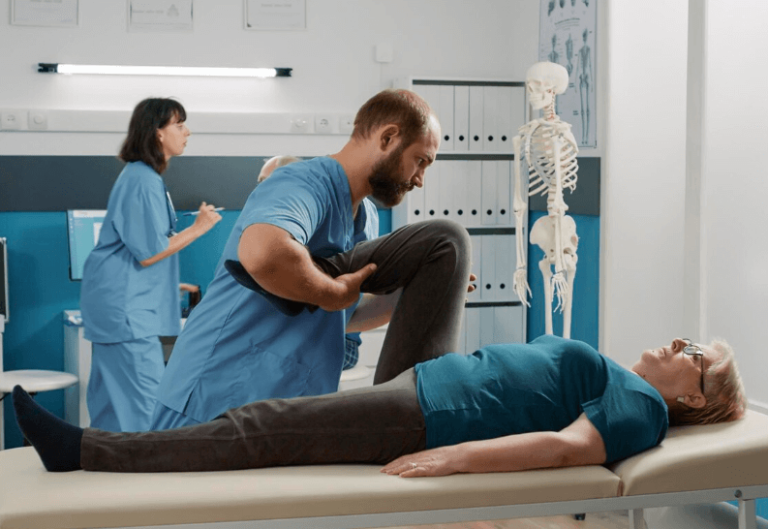
Tailored rehabilitation and corrective exercise specialists craft unique programs to improve your movement. Customized rehab strategies help them craft Exercise recipes for real-life recovery, focusing on functionality over mere Physical gains. At the heart of it all is one-on-one attention, precisely customized to propel you forward with maximum impact. 

A program that mirrors your needs is just what you need to stay invested from start to finish. When care is molded to the individual, a deep-seated desire to heal takes hold, and commitment to the recovery journey reaches new heights

Crafting Personalized Rehab Strategies

Creating a personalized rehab plan takes into account each person’s unique healing journey. You feel more involved when your individual needs steer the recovery process, right? This increased involvement leads to quicker and healthier recoveries.

Health leaders are making waves by delivering these custom care programs on a budget. One smart move is using telehealth platforms for remote guidance during exercises, slashing costs linked with traditional clinic visits. Plus, if you’re sporting some wearable tech or using health apps, therapists can track your progress without overdoing it on resources.

Spot-on prevention strategies also play a big role here—nipping potential problems in the bud means less need for serious rehabilitation down the road, which ultimately saves money! When merging technology with therapy approaches like virtual reality or digital coaching sessions through wearables, it’s all about that tailored touch without costing an arm and a leg.

Think of it as having high-tech allies in your corner who give feedback just for you while keeping things affordable. The point is crystal clear: personalizing rehab isn’t just smart healthcare; it’s cost-effective, too! Want deeper insights from someone who knows their stuff? A corrective exercise specialist could be exactly what you’re looking for

Key Exercises for Functional Recovery

  • Post-Surgery Exercise Essentials: Bouncing back after surgery relies on careful planning and the right exercises. Your progress is key; tailor every step to your body’s signals.
  • Upgrading Intensity Safely: Pacing yourself is critical when ramping up post-surgical workouts. Watch for signs of improvement, but remember. Easy does it. A thoughtful increase avoids harm while pushing forward steadily.
  • Avoid Rehabilitation Pitfalls: Skip not warm-ups or ignore sharp pain. It spells trouble. Protect your recovery by steering clear of these errors, ensuring a smoother path to regaining strength and mobility.

Maximizing Results with Corrective Movements

Corrective movements in physical therapy can be game-changers for pain relief and mobility. Therapists guide you through specific exercises, targeting muscles that might pinch your sciatic nerve; they teach core strengthening to offload the lower back and stretch tight spots like hamstrings. They also tackle posture, showing you how to stand right and lift without extra stress on your spine.

If walking’s a chore or leg numbness kicks in, don’t wait. These signs scream for a professional’s touch. With their mix of hands-on treatment, personalized stretches, strength work plus golden advice on everyday activities, therapists aim not just to ease your current woes but keep them from coming back.

You might not pause to think about it, but your body’s ability to move freely and without pain matters a lot. That’s where tailored rehab programs come in. They fit your unique needs like a key slide into a lock.

Smoothly, turning discomfort into ease. Next Level Fitness understands that no two bodies are alike; each one deserves its own roadmap back to health. By working closely with you, they help restore strength and range of motion so you can get back to living life at full tilt.

As a security guard on my feet for long shifts, knee pain had become my constant companion. Every step was a reminder of the wear and tear my job was putting on my joints. I’d tried everything – from over-the-counter pills to expensive creams – but nothing seemed to provide lasting relief. That’s when I stumbled upon Wellnee Pain Relief Patches, and let me tell you, they’ve been a game-changer for me.

At first, I was skeptical. How could a simple patch do what so many other products had failed to achieve? But after my first 12-hour shift wearing one, I was amazed. The dull ache in my knee had significantly subsided, and I could move with a freedom I hadn’t experienced in years. Now, these patches are an essential part of my daily routine, allowing me to focus on my job instead of my discomfort.

In this review, I’ll share my honest experience with Wellnee Pain Relief Patches. 

What is Wellnee Pain Relief Patch?

Wellnee Pain Relief Patches are transdermal adhesive patches designed to provide targeted pain relief, particularly for knee and joint discomfort. These patches are formulated with natural plant extracts and feature a self-heating design that delivers deep, long-lasting relief for up to 8-12 hours. 

They are marketed as an effective solution for various types of pain, including osteoarthritis, rheumatoid arthritis, tendonitis, bursitis, and sports-related injuries.

How Does It Work

Wellnee Pain Relief Patches work through a combination of natural ingredients and advanced patch technology. The patches contain a blend of active ingredients, including wormwood, ginger oil extract, radix aconiti, capsaicin, and other herbal components known for their pain-relieving and anti-inflammatory properties. When applied to the skin, these ingredients are slowly released and absorbed transdermally, allowing them to target the affected area directly.

The patches utilize a three-layer design to maximize effectiveness. The adhesive layer ensures the patch stays in place, even during movement. The ingredient layer contains the active components, while the outer layer provides overall support and keeps the patch intact. This design allows for consistent delivery of the pain-relieving compounds over an extended period.

The self-heating feature of the patches is another key aspect of their functionality. As the patch warms up, it increases blood flow to the affected area, which helps deliver oxygen and nutrients to promote healing. This increased circulation also aids in reducing inflammation and stiffness, contributing to improved mobility and flexibility.

By combining targeted delivery of natural ingredients with heat therapy, Wellnee Pain Relief Patches aim to provide comprehensive pain relief. They work to reduce inflammation, block pain signals from reaching the brain, and support the body’s natural healing processes.

How to Use Wellnee Pain Relief Patch

Using Wellnee Pain Relief Patches is a straightforward process:

  1. Clean and dry the affected area thoroughly before application.
  2. Remove the protective film from the patch.
  3. Apply the patch directly to the area experiencing pain or discomfort, such as the knee.
  4. Press the patch firmly against the skin to ensure proper adhesion.
  5. Leave the patch in place for up to 8-12 hours, depending on the level of relief needed.
  6. After use, gently remove the patch and discard it.

The patches are designed to stay in place during daily activities and even intense movement, making them suitable for use throughout the day or night. It’s important to note that while the patches are generally safe for most users, individuals with sensitive skin or specific medical conditions should consult with a healthcare professional before use.

The Pros and Cons of Wellnee Pain Relief Patch

Pros:

  • Natural ingredients with minimal side effects
  • Easy to apply and use
  • Provides long-lasting relief for up to 12 hours
  • Non-invasive alternative to oral medications
  • Targets pain directly at the source
  • Suitable for various body parts like knees, shoulders, and back
  • Self-heating design enhances effectiveness

Cons:

  • May cause skin irritation in some users with sensitive skin
  • Results can vary from person to person
  • More expensive than some over-the-counter pain relief options
  • Not suitable for open wounds or broken skin
  • May not be as effective for severe chronic pain conditions

Is Wellnee Pain Relief Patch Legit?

Yes, Wellnee Pain Relief Patches appear to be a legitimate product. The patches use well-known natural pain-relieving ingredients like menthol, eucalyptus oil, and wormwood. They are made in facilities that follow FDA guidelines.

Many users report significant pain relief and improved mobility after using the patches. The company provides straightforward guidelines on how to apply and use the patches safely.

Wellnee offers a 30-day refund policy, showing confidence in their product. However, it doesn’t promise miracle cures, acknowledging that results may vary among users.

Where to Buy Wellnee Pain Relief Patch?

To ensure you’re getting the real deal, always purchase Wellnee Pain Relief Patches from the official Wellnee retail store. 

I ordered mine from there and have no regrets. The patches are quickly delivered to my doorstep in a well-packaged parcel. 

They provide excellent customer support to answer any questions you might have before and after your purchase. 

Frequently Asked Questions

1. How long does it take for the Wellnee Pain Relief Patch to work?

Many users report feeling relief shortly after applying the patch. For optimal results, it’s recommended to wear the patch for up to 8 hours. However, individual experiences may vary.

2. What types of pain are Wellnee Patches effective against?

Wellnee Patches are designed to address various types of pain, including muscle aches, joint pain, and knee discomfort. They are particularly noted for their effectiveness in reducing knee and joint inflammation, which can help with conditions like arthritis and runner’s knee.

3. Are there any side effects?

While Wellnee Patches are made with natural ingredients and are generally safe, some users may experience skin irritation or a burning sensation at the application site. It’s recommended to test the patch on a small area first if you have sensitive skin.

4. How long do the effects of a Wellnee Patch last?

The duration of pain relief can vary, but generally, the patches provide relief for up to 12 hours. Users should follow the specific instructions provided with the patches for optimal results.

5. Can I use Wellnee Patches if I have sensitive skin?

Yes, Wellnee Patches are designed to be gentle on the skin. However, if you have particularly sensitive skin, it is advised to test the patch on a small area first. If irritation occurs, discontinue use and consult a healthcare provider.

6. Can I use the patch on other body parts besides the knees?

Absolutely! While designed primarily for knees, you can use Wellnee Patches on your back, neck, shoulders, or other joints. However, do not use them on your face, on cuts, or on broken skin.

7. Is there a money-back guarantee?

Yes, Wellnee offers a 30-day money-back guarantee. If you are not satisfied with the product, you can return it within 30 days for a full refund.

8. What are the main ingredients in Wellnee Pain Relief Patches?

The patches contain a blend of natural ingredients, including wormwood, ginger oil extract, radix aconiti, capsaicin, saffron, camphor, cinnamon, menthol, and borneol. These ingredients are known for their pain-relieving and anti-inflammatory properties.

When it comes to working out, everyone wants to get the best results for their effort. A big question many ask is: can supplements help with that? Workout supplements come in various forms, like powders, pills, and drinks. They’re designed to help improve your performance, recovery, and overall results. Some common types include protein powder, creatine, and pre-workout formulas. Let’s explore what supplements do and whether they make a difference in your fitness journey.

How supplements work

Supplements provide your body with nutrients it might not get enough of through food alone. For example, protein helps repair muscles after a tough workout. Creatine gives your muscles a quick energy boost, which can help you lift heavier or run faster. So, do supplements improve workout results? The answer is maybe. For some people, they can provide the extra edge needed for better performance and recovery. Others might find they don’t notice a big difference. It all comes down to individual needs and goals. The most important factor is consistency in both your workouts and your nutrition.

The role of protein supplements

Protein supplements are super popular and for a good reason. They help your muscles recover and grow. After a workout, your muscles are like sponges ready to soak up the good stuff. By consuming Supplement First protein, you’re feeding those muscles and helping them get stronger. Whether in the form of shakes or bars, protein supplements can be an easy way to hit your daily protein goals.

daily protein goals

Creatine: The power boost

Creatine is another popular supplement, especially among weightlifters. It helps your muscles produce more energy during workouts. With this extra energy, you can push harder and achieve better results in less time. Studies show that creatine can help improve strength and increase muscle mass. Isn’t that what everyone wants?

Pre-workout supplements: The energy kick

Pre-workout supplements provide a boost of energy that can help enhance your performance during workouts. These products usually contain ingredients like caffeine, creatine, and B vitamins, all aiming to increase focus and endurance. Many people find that taking these supplements before exercising leads to improved strength and stamina, allowing them to push harder and achieve better results. However, it’s important to use them wisely and stay aware of how your body reacts, as too much can lead to jitters or crashes afterward.

Do supplements replace good nutrition?

Supplements can’t replace good nutrition because whole foods offer a wide range of nutrients that work together in ways supplements can’t match. Fruits, vegetables, whole grains, and proteins provide vitamins, minerals, and fiber, all essential for health. While supplements can help fill gaps in a diet, they don’t offer the same benefits as nutrient-rich foods. Relying on supplements might lead to missing out on important nutrients that come from a balanced diet. Eating a variety of foods is still the best way to stay healthy.

If you choose to incorporate supplements, use them wisely. They should complement a balanced diet and consistent exercise routine, not replace them. With the right approach, you can give your workout results the boost they need.

When it comes to maintaining your health, selecting the right health screening package in Singapore is essential. These packages are crafted to assess your health status, detect potential conditions early, and provide a comprehensive overview of your physical well-being. With a variety of health screening packages available, understanding the options and choosing the one that best suits your needs can set you on the right track toward a healthier life.

What Is a Health Screening Package?

A health screening package in Singapore is a pre-designed set of medical tests and assessments tailored to provide an overview of an individual’s health. These packages often include tests for common but potentially serious conditions such as diabetes, high blood pressure, high cholesterol, and various cancers. By choosing a suitable package, you can catch early warning signs of health issues before they develop into more significant problems, allowing for timely intervention.

How Health Screening Packages Work

Health screening packages are structured with specific groups of tests that assess various aspects of your health. After selecting a package, you’ll undergo a series of tests at a clinic or medical center. These may include blood tests, imaging scans, and other assessments that focus on different parts of the body, from cardiovascular health to metabolic functions. The results, often discussed with a healthcare professional, provide a snapshot of your current health status and highlight any areas requiring attention or lifestyle adjustments.

Key Components of a Health Screening Package in Singapore

The elements within a health screening package in Singapore can vary widely depending on the package level. Here are some typical components you can expect to find:

  1. Blood Tests
    Blood tests are fundamental in any health screening package, covering essential markers such as blood glucose, lipid profile, and liver and kidney function. These tests provide insight into issues like diabetes, high cholesterol, or liver dysfunction.
  2. Imaging Scans
    Imaging is used to visualize internal organs and detect any abnormalities. Common imaging tests include ultrasound scans of the abdomen and pelvis, which help identify issues like kidney stones or liver abnormalities.
  3. Cardiovascular Assessments
    Heart health is another priority in health screening packages. Tests like ECG (electrocardiogram) check for irregular heart rhythms, while additional tests may measure blood pressure and cholesterol levels, assessing your risk for cardiovascular diseases.
  4. Cancer Markers
    Some packages include screening for specific cancer markers, especially for high-risk areas like the liver, pancreas, and colon. Cancer marker tests help detect early signs of cancer, increasing the chance of successful treatment if diagnosed early.
  5. Bone Density Tests
    For individuals at risk of osteoporosis, bone density tests are often included in comprehensive health screening packages. This assessment is crucial for older adults, particularly women, as it can detect early signs of bone loss and help prevent fractures.
  6. Hepatitis and Infectious Disease Testing
    Screening for infections such as Hepatitis B and C is common in many packages. These tests are important for assessing liver health and catching any infectious diseases that might have gone undetected.
  7. Vision and Hearing Tests
    Basic sensory tests like vision and hearing assessments may also be part of a comprehensive health screening package, especially for older adults who may be experiencing gradual sensory loss.
  8. Urinalysis
    Urinalysis tests for abnormalities in the urine that can indicate issues such as kidney disease or urinary tract infections. It is typically included in a full health screening to provide a well-rounded picture of kidney function and hydration levels.

The Importance of Regular Health Screenings

Health screenings are vital because they allow you to stay proactive about your health. Many conditions, such as high blood pressure, high cholesterol, or even early-stage cancers, often show no symptoms initially. Through routine health screenings, you can detect these silent threats and make informed choices about lifestyle modifications or medical interventions. Regular check-ups, supported by a health screening package in Singapore, help you track your health over time, catching any fluctuations early enough for intervention.

Choosing the Right Health Screening Package

Selecting the best health screening package in Singapore depends on several factors, including your age, family history, and personal health risks. Here’s how to navigate the options effectively:

  1. Consider Your Age Group
    Younger adults in their 20s and 30s may benefit from basic health screening packages that cover blood tests, cholesterol levels, and blood pressure. However, as you age, additional tests like bone density scans and more in-depth cardiovascular assessments become more relevant.
  2. Evaluate Your Family Medical History
    Family history plays a significant role in health screening choices. For example, if you have a family history of heart disease, choosing a package with cardiovascular assessments is advisable. Similarly, individuals with a family history of cancer may consider packages with a comprehensive range of cancer marker tests.
  3. Focus on Lifestyle Factors
    Your lifestyle—whether it’s highly active, sedentary, or somewhere in between—also affects which package suits you. Active individuals might need musculoskeletal or bone density screenings, while those with high stress or sedentary jobs may benefit from cardiovascular assessments.
  4. Look at Specific Health Concerns
    If you have specific concerns, such as chronic fatigue, frequent digestive issues, or recurring infections, opt for a package that includes relevant tests. Discussing your health concerns with a healthcare provider can guide you in selecting the right package tailored to address these issues.
  5. Budget and Affordability
    While comprehensive packages provide the most insight, they can be more costly. Budget-conscious individuals may opt for packages that cover essential health checks. Some clinics also offer customized packages where you can select tests based on individual requirements, allowing for more control over costs.
  6. Clinic Reputation and Credentials
    The quality of care you receive also depends on the clinic you choose. Researching clinics with good reputations and experienced staff ensures that your results are accurate and reliable. Some clinics offer consultations with physicians to interpret results, which can be invaluable for understanding and acting on your screening results.

What to Expect During Your Health Screening

When you go for a health screening, it’s best to prepare by fasting for 8-12 hours if instructed, especially if your package includes blood tests for glucose and cholesterol. Avoid caffeine and alcohol beforehand, as these can affect some test results. Once at the clinic, the process is straightforward, with each test performed systematically. Some screenings may involve additional consultation time with a physician to review your results and provide lifestyle or medical recommendations based on your findings.

After Your Health Screening: Making Sense of the Results

The results from a health screening package in Singapore typically cover a wide range of health indicators, from basic markers like cholesterol levels to more advanced readings for liver and kidney function. Most clinics provide detailed reports that explain each result in layman’s terms. An abnormal reading does not necessarily indicate a serious condition but highlights areas that may need lifestyle changes or further tests. Scheduling a follow-up consultation to discuss your results ensures you understand any risk areas and receive guidance on next steps.

Additional Tips for Selecting the Best Health Screening Package

  • Annual vs. Biennial Screening: Depending on your health status, some packages recommend annual screenings, while others may suggest biennial screenings. Regular health checks are essential for staying informed about your health.
  • Review Packages Periodically: As you age or as your health needs evolve, the ideal health screening package may change. Periodically review your package options to ensure they align with your current health requirements.
  • Ask About Follow-up Services: Some clinics offer follow-up consultations or access to dieticians, physiotherapists, or other specialists based on screening outcomes. Such services can be beneficial if you need lifestyle modifications or have specific health goals.

Choosing a Health Screening Package for Peace of Mind

A tailored health screening package in Singapore offers not just a glimpse into your current health but an opportunity to catch potential issues early. With the right package, regular health screenings become a reliable preventive tool, enabling you to make proactive decisions for a healthier future. Whether it’s for peace of mind or for proactive health management, selecting a package suited to your age, lifestyle, and personal health profile can make a substantial difference in your quality of life.

In the world of athletic performance and fitness, every edge matters. Whether you’re a seasoned athlete or someone striving to improve your stamina, breathing efficiently is critical to overall performance. Enter the Endurance Trainer breath trainer device, a revolutionary tool designed to enhance respiratory strength, endurance, and control. By strengthening the muscles involved in breathing, this device helps users maximize their lung capacity, boost endurance, and take their fitness to the next level.

In this blog, we will explore how the breath trainer works, its key features, benefits, and practical applications for athletes, fitness enthusiasts, and even those looking to improve their general respiratory health.

What Is the Endurance Trainer Breath Trainer Device?

The Endurance Trainer breath trainer device is a compact, hand-held tool that offers resistance-based training for the respiratory muscles, including the diaphragm and intercostal muscles. Much like weightlifting strengthens your biceps or legs, the breath trainer provides resistance to the muscles involved in breathing, helping to enhance lung capacity, improve oxygen intake, and increase stamina.

Breathing is something we do unconsciously every day, but few people realize the importance of strengthening the muscles that control respiration. By using a breath trainer, you can improve the efficiency of your breathing, allowing you to perform better in physical activities, recover faster, and enhance overall fitness levels.

How the Breath Trainer Works

The breath trainer functions by offering resistance as you inhale and exhale. When you use the device, it makes your lungs and respiratory muscles work harder, improving their strength and endurance over time. This type of resistance training for your breathing muscles is called inspiratory muscle training (IMT).

With continued use, you will notice:

  • Increased lung capacity: Your lungs will be able to take in more oxygen with each breath, improving overall oxygen delivery to muscles during physical exertion.
  • Stronger respiratory muscles: The diaphragm, which is responsible for most of the work involved in breathing, will become stronger, making breathing easier and more controlled during intense activity.
  • Improved breathing efficiency: As your muscles become more efficient, you will be able to breathe more easily, reducing the feeling of breathlessness during high-intensity workouts or endurance events.

Key Features of the Endurance Trainer

The Endurance Trainer breath trainer device comes with several features that make it a must-have for athletes, fitness enthusiasts, and anyone looking to improve their respiratory health:

  • Adjustable Resistance: The device allows you to customize the level of resistance, enabling users to progressively increase the difficulty as their respiratory muscles get stronger. Beginners can start with lower resistance and gradually build up as their lung capacity improves.
  • Portable and Hand-Held: Unlike large, complicated machines, the Endurance Trainer is a compact, hand-held device that can easily fit into your gym bag or pocket. Whether you’re working out at home, at the gym, or even outdoors, you can take the trainer with you.
  • Easy to Use: No special skills or training are required to start using the breath trainer. Simply adjust the resistance to your comfort level and begin breathing exercises with the device.
  • Proven Effectiveness: Breath training devices like the Endurance Trainer have been used in respiratory therapy for decades and have been shown to be effective in improving lung capacity and endurance in both clinical and athletic settings.

Benefits of Using a Breath Trainer

The Endurance Trainer offers a range of benefits for athletes and fitness enthusiasts alike. Here are some of the key advantages:

1. Improves Endurance and Stamina

One of the most significant benefits of using a breath trainer is the improvement in endurance and stamina. For athletes, this means being able to maintain peak performance for longer periods without feeling fatigued. Whether you’re running, cycling, swimming, or lifting weights, a stronger respiratory system can help you push through those moments when you typically run out of breath.

Endurance sports, such as long-distance running or triathlons, rely heavily on efficient oxygen intake and delivery to muscles. By using a hand-held endurance trainer, athletes can increase their lung capacity and oxygen efficiency, leading to improved performance and quicker recovery times.

2. Reduces Shortness of Breath During High-Intensity Workouts

High-intensity interval training (HIIT) and other challenging workouts can leave even the fittest individuals gasping for air. By strengthening your respiratory muscles with a breath trainer, you’ll find that it becomes easier to maintain control of your breathing, even during the most strenuous exercises.

With improved breathing efficiency, you can maintain a steady flow of oxygen to your muscles, reducing the feelings of breathlessness and allowing you to keep up the intensity during your workouts.

3. Aids in Recovery and Rehabilitation

For those recovering from respiratory illnesses or surgery, or even individuals looking to improve their overall lung function, the Endurance Trainer breath trainer can be a valuable tool. By gradually increasing the resistance and strength of your respiratory muscles, you can speed up recovery and regain normal lung function more quickly.

Additionally, the breath trainer is used in respiratory rehabilitation programs for individuals with conditions such as asthma, chronic obstructive pulmonary disease (COPD), and other breathing disorders, proving its effectiveness in clinical settings.

4. Enhances Athletic Performance

Elite athletes are always looking for that extra edge to boost their performance. The Endurance Trainer can help athletes maximize their oxygen intake during intense competition or training, leading to improved performance. Studies have shown that inspiratory muscle training can result in reduced fatigue, better oxygenation of muscles, and improved overall endurance. For athletes looking to optimize their recovery, incorporating melatonin strips can further support restful sleep and aid in performance gains.

Whether you’re a professional athlete or a weekend warrior, incorporating breath training into your fitness regimen can give you the edge you need to achieve your performance goals.

Practical Applications of the Endurance Trainer Breath Trainer

The Endurance Trainer breath trainer is ideal for a wide range of users, from athletes to fitness enthusiasts and individuals in respiratory rehabilitation. Here are some of the key groups who can benefit from this device:

  • Endurance Athletes: Runners, cyclists, swimmers, and triathletes can improve their lung capacity and stamina by using the breath trainer regularly, resulting in better race-day performance and faster recovery times.
  • Fitness Enthusiasts: Anyone who enjoys high-intensity workouts or strength training can benefit from the breath trainer by reducing feelings of breathlessness and improving workout efficiency.
  • Respiratory Patients: Individuals suffering from respiratory conditions like asthma or COPD can use the hand-held endurance trainer to strengthen their respiratory muscles and improve their quality of life.
  • Recovery Patients: People recovering from surgery or illness that affects breathing can use the breath trainer to regain normal lung function and accelerate recovery.

How to Use the Breath Trainer Effectively

Incorporating the Endurance Trainer breath trainer into your routine is simple and effective. Start with low resistance to get accustomed to the device, and gradually increase the resistance as your respiratory muscles grow stronger. For an added boost in energy and focus during training, consider using caffeine strips to complement your endurance workouts.

Here are some tips for using the breath trainer:

  1. Warm Up: Start with a few minutes of breathing exercises at low resistance to warm up your respiratory muscles.
  2. Progress Gradually: As your breathing muscles strengthen, increase the resistance level to continue challenging yourself.
  3. Consistency Is Key: Like any training tool, consistency is important. Use the device several times a week for best results.
  4. Track Your Progress: Pay attention to how your endurance improves over time and adjust your routine accordingly.

Conclusion

The Endurance Trainer breath trainer device offers a unique and highly effective way to improve respiratory strength and endurance, making it a valuable tool for athletes, fitness enthusiasts, and individuals recovering from respiratory issues. By incorporating the breath trainer into your training regimen, you can unlock greater performance, improve stamina, and reduce feelings of breathlessness during workouts. Whether you’re looking to buy a hand-held Endurance Trainer online or want to explore breath training for the first time, this compact device can provide you with a simple and effective way to enhance your respiratory fitness.

With its customizable resistance levels and portability, the Endurance Trainer is a practical solution for anyone looking to improve their breathing efficiency and overall athletic performance. Take control of your breathing, and unlock your full potential today!

The Importance Of Early Cancer Detection

Cancer remains a serious threat, but early detection offers a decisive advantage in the fight against it. Identifying cancer at its earliest stages is crucial because it often leads to more effective, less invasive treatments and a higher chance of complete remission. Early detection can significantly improve prognosis and reduce the risk of complications, whereas late-stage detection often results in limited treatment options and a less favorable outlook.

Early cancer detection is paramount, driving efforts in research, public awareness, and regular screening. By focusing on these areas, we can work towards a future where cancer is identified and treated promptly, ultimately saving lives and alleviating the disease’s impact on individuals and communities.

Common Types Of Cancer That Can Be Detected Early

Cancer’s complexity means each type requires unique treatment strategies, but early detection significantly improves outcomes. For instance, mammograms detect early breast cancer, colonoscopies, and stool tests catch precancerous polyps in colorectal cancer, Pap smears and HPV tests identify early cervical cancer, and low-dose CT scans can find lung cancer early in high-risk individuals. Advancements in screening technologies are continually expanding the ability to detect cancers early, enhancing treatment effectiveness and patient prognosis.

Understanding The Role Of Testing In Early Cancer Detection

Genetic testing for cancer is crucial for early detection, as it identifies inherited mutations that increase cancer risk. Along with screening tests like mammograms and colonoscopies, it helps detect cancerous changes before symptoms appear. Diagnostic tools such as biopsies, genetic analyses, and imaging provide detailed insights into the cancer’s type and stage, enabling personalized treatment. Regular follow-up tests monitor progression and detect recurrences. These tests improve early detection, treatment effectiveness, and survival by identifying cancer at its most treatable stage.

Different Types Of Tests Used For Early Cancer Detection

In early cancer detection, healthcare professionals utilize various testing methods, each with distinct applications and levels of invasiveness. Imaging tests, such as mammograms, colonoscopies, and low-dose CT scans, provide detailed pictures of internal structures to reveal potential abnormalities. Laboratory tests, including blood and urine tests, detect biomarkers or genetic mutations linked to cancers like prostate or cervical cancer. Genetic testing analyzes DNA to identify inherited risk factors, aiding in personalized screening and prevention. The choice of test depends on factors like age, gender, and cancer type, with healthcare providers guiding patients to select the most suitable options based on benefits and risks.

Benefits And Limitations Of Early Cancer Detection Tests

Early cancer detection through various tests offers significant benefits but also has limitations. The main advantages include increased chances of successful treatment, improved patient outcomes, and the ability to manage cancer at an earlier, less advanced stage. Early detection also gives individuals a sense of control and can contribute to public health by reducing the burden of advanced disease.

However, these tests can have drawbacks. Some may produce false positives, leading to unnecessary anxiety, additional testing, or overtreatment. Additionally, specific tests may carry risks such as radiation exposure or complications from invasive procedures. Socioeconomic and geographic barriers can also limit access to testing, potentially exacerbating health disparities. Balancing these benefits and limitations is crucial for making informed healthcare decisions in consultation with medical professionals.

How to Prepare for and Undergo Early Cancer Detection Tests

Preparing for early cancer detection tests can help alleviate anxiety and improve the overall experience. Before the test, discuss the procedure with your healthcare provider. They will explain its purpose, benefits, risks, and necessary preparations. For example, a colonoscopy may involve dietary changes and laxatives, while a mammogram typically requires avoiding certain skin products.

Staying calm during the test is important. Communicate openly with the healthcare team, as most tests, such as mammograms or blood draws, are quick and straightforward. For more involved procedures, like biopsies, following detailed instructions and discussing any discomfort with the team can ease the process.

Waiting for results can be a significant source of stress. Psychiatrists emphasize the importance of managing anxiety during this period by practicing relaxation techniques like deep breathing, mindfulness, or meditation. They also recommend maintaining close communication with your healthcare providers, who will inform you about the next steps and whether additional testing or treatment is necessary. By understanding the process and taking proactive steps to manage anxiety, you can confidently navigate the testing experience and improve your overall health outcomes.

The Role Of Healthcare Professionals In Early Cancer Detection

Healthcare professionals are essential in early cancer detection. Primary care physicians conduct routine check-ups, assess risk factors, and recommend screenings based on the patient’s profile. Oncologists and cancer specialists provide specialized care, develop personalized plans, and interpret test results. Specialized screening clinics offer advanced diagnostic tools, improving access to early detection. Additionally, healthcare professionals educate the public on the importance of early screening and available tests, significantly enhancing cancer outcomes and community health.

Current Advancements And Future Prospects In Early Cancer Detection Testing

Early cancer detection is progressing rapidly, driven by medical technology and research advancements. One key innovation is liquid biopsy testing, which uses blood or urine samples to detect cancer-specific biomarkers, enabling early detection before symptoms appear. Artificial intelligence (AI) and machine learning also revolutionize cancer detection by analyzing medical images to identify subtle abnormalities, enhancing diagnostic accuracy. 

Genetic testing is growing, helping identify hereditary cancer risks and enabling personalized screening strategies. Additionally, efforts to integrate routine early detection tests into healthcare systems aim to increase access, especially in underserved communities. These advancements promise earlier detection, improved treatment outcomes, and reduced cancer burden.

Conclusion: The Importance Of Regular Testing For Early Cancer Detection

Early cancer detection is a powerful tool in the fight against cancer. Through various testing methods, healthcare professionals can identify cancer or precancerous conditions before they become advanced, leading to better treatment outcomes, fewer complications, and more lives saved.

Routine screenings, such as mammograms, colonoscopies, genetic tests, and liquid biopsies, empower individuals to take charge of their health by identifying risks early. The potential for more effective cancer prevention grows with ongoing advancements in testing technologies and greater access to these services.


In summary, embracing early detection through regular testing and collaboration with healthcare professionals is critical to reducing the impact of cancer, improving patient outcomes, and fostering a healthier future.

Cannabis strains might be confusing, particularly to newcomers, as there are numerous varieties, each with distinct effects. Look at this also twd

Here’s a brief introduction to marijuana strains for beginners:

Recognizing Different Types of Strain In general, there are three basic classifications for marijuana: indica, sativa, and hybrid.

1. Indica strains are well-known for their calming and sedative properties; they are frequently used as sleep aids, pain relievers, and stress relievers. These strains typically result in a “body high” that promotes relaxation and is best used in the evening and night.

.2. In comparison, sativa strains are more upbeat and energetic. They frequently provide users with a “head high,” enhancing their creativity, concentration, and sociability. During the day, sativa is favored as it can assist fight depression and weariness.

  1. Hybrid strains offer an overall enjoyable one by combining the qualities of both Sativa and India. Depending on the genetic composition of the strain, hybrids can lean more toward indica or sativa effects, making the experience very adjustable based on individual tastes.

THC and CBD:

The two most common active ingredients in cannabis are THC (tetrahydrocannabinol) and CBD (cannabidiol). Cannabis contains a variety of other compounds known as cannabinoids. The euphoric effects, or “high,” that come with using cannabis are caused by THC. For recreational usage, high-THC strains are frequently preferred because of their potent euphoric effects. Contrarily, non-psychoactive CBD has the potential to treat conditions including anxiety, inflammation, and seizures without getting users intoxicated. High-CBD strains are the best choice for anyone looking for medicinal benefits without experiencing strong psychoactive effects.

Commonly Used Strains for Newbies:

Beginners should begin with strains that have a mild to moderate effect. Here are some well-liked choices:

  1. Original Kush: OG Kush is another straightforward indica/sativa hybrid that will give you a calm, buzzing feeling throughout your body and increase enthusiasm. Has a distinct, resinous flavor, grows well in arid climates, and relieves migraine, insomnia, and chronic pain problems. Because of its high THC content, which makes it potent, this product is best suited for high-end consumers.
  2. GSC, or Girl Scout Cookies: These specific ones are extensively employed in social and medical contexts since they induce a happy mood when paired with muscular relaxation. It smells savory smoky, and it has the same antiemetic, analgesic, and stress-relieving properties as CBD.
  3. Granddaddy Purple: Moreover, GDP, an Indica-dominant strain, has a similar look and a very dark purple color. Its potent calming qualities make it a popular choice for treating stress, sleeplessness, and spasms in the muscles.

Things to Take Into Account While Selecting a Strain When selecting a strain for novices, take into account their objectives (such as focus, pain treatment, or relaxation), preferred delivery method (such as smoking, vaping, or edibles), and THC/CBD ratio. To assess the effects, start with tiny dosages and consult qualified sources such as the staff at the dispensary.