Category

Health

Category

Modern life has become very hard to manage family, bills, and daily duties take up much of your time. Long stays at treatment centres do not suit most people today. Outpatient programs understand this need offer recovery help in a structured way. You can get treatment and still keep your normal life going Outpatient drug rehab Orange County gives this balance. It helps people get care while they handle their real-life needs. The program fits around your duties instead of asking you to leave them.

Families need you to be present

Children of addicted parents do not lose their need for them just because their parents struggle with addiction. The advantages of an outpatient program are that you can remain at home during treatment. In addition to breakfast and homework assistance, you assist with bedtime routines as well. You can still attend soccer games and school plays. Taking a parent away for residential treatment, especially for a month or longer, can really mess kids up.

  1. Morning sessions are convenient for families with school-age children attending classes during those times
  2. Evening appointments work for parents who need to be home during after-school hours
  3. Weekend options suit families where both parents work weekday schedules requiring childcare coordination
  4. Flexible rescheduling handles unexpected family emergencies without derailing treatment progress
  5. Family therapy integration addresses household dynamics while you remain living in the home environment

Spouses and partners don’t face becoming instant single parents when you choose outpatient care. They don’t have to suddenly handle every household task alone or panic about bills when your income vanishes. The family adapts gradually to your treatment schedule instead of experiencing the shock of your disappearance completely. This adjustment process often goes more smoothly than the dramatic disruption residential treatment creates.

Life follows schedules anymore

Modern routines shift constantly, work hours change week to week, and childcare falls through. Unexpected obligations appear out of nowhere, programs accommodate this chaos better than rigid residential structures. Need to move your Tuesday session because your kid got sick? Usually, you can shift it to Thursday without losing that week’s treatment. Residential programs don’t offer that kind of flexibility.

  • Early morning sessions before work accommodate people with traditional 9-to-5 schedules
  • Late evening appointments serve night shift workers who sleep during daytime hours
  • Weekend intensive options compress weekly therapy into longer Saturday or Sunday sessions
  • Telehealth alternatives provide treatment access when transportation or schedule conflicts arise
  • Customizable session frequency adjusts intensity based on current needs and life demands

Modern life creates obstacles that outpatient treatment addresses directly. You keep working, which maintains income and daily structure. You stay home with your family instead of disappearing for weeks. Privacy gets protected because your routine doesn’t change dramatically. Schedule flexibility accommodates the unpredictability everyone faces. Technology makes treatment accessible regardless of location or transportation. These adaptations accept that people have lives they can’t just pause. Recovery happens in context, not isolation. Outpatient programs engage with that reality instead of pretending you can separate treatment from everything else. When you eventually complete intensive treatment, you’re already practising sobriety in the actual environment where you’ll need those skills long-term.

Rock climbing demands exceptional forearm strength and endurance that separates casual enthusiasts from accomplished climbers tackling challenging routes. Whilst climbing itself builds considerable grip capacity, targeted forearm training accelerates progression, prevents plateaus, and reduces injury risk. Understanding how to systematically develop climbing-specific forearm strength transforms your ability to tackle harder grades and sustain performance through extended sessions.

Why Climbers Need Dedicated Forearm Training

Climbing places unique demands on forearm muscles and finger tendons that differ significantly from general grip training. Routes require sustained isometric contractions whilst maintaining various grip positions—crimps, pinches, slopers, and pockets—each stressing muscles differently. A single climb might demand explosive power for dynamic moves followed immediately by static endurance for sustained holds.

Many climbers reach performance plateaus determined entirely by forearm capacity rather than technique, core strength, or mental fortitude. You execute moves perfectly until your forearms pump out, fingers open involuntarily, and you’re off the wall. Addressing this limitation through structured training unlocks progress that technique refinement alone cannot achieve.

Finger tendon health represents another critical consideration. Climbing injuries frequently involve finger pulleys and tendons that haven’t adapted adequately to training loads. Progressive forearm strengthening that includes tendon conditioning reduces injury risk whilst building the resilience required for sustained high-level performance.

Understanding Climbing-Specific Forearm Demands

Isometric Endurance

Unlike dynamic movements that alternate contraction and relaxation, climbing requires sustained isometric holds where muscles maintain tension without movement. This creates unique metabolic demands—blood flow becomes restricted, metabolic waste accumulates, and the characteristic forearm “pump” develops that eventually forces failure.

Training isometric endurance requires extended time under tension rather than brief maximal efforts. Dead hangs, extended holds on various grip positions, and sustained low-intensity climbing build the capacity to delay forearm pump and maintain performance through lengthy sequences.

Finger Strength Across Grip Types

Different hold types stress fingers uniquely. Crimping—gripping with fingers flexed at the middle joint—creates tremendous forces through finger tendons and pulleys. Open-hand gripping distributes forces more evenly but requires different muscular recruitment. Pinches engage thumb opposition strength, whilst slopers demand whole-hand friction and contact strength.

Comprehensive training addresses all grip types rather than exclusively training your strongest or most comfortable positions. Balanced development prevents weaknesses from limiting overall climbing performance and reduces injury risk from over-reliance on particular grip patterns.

Power for Dynamic Movements

Whilst endurance dominates most routes, explosive finger power enables dynamic moves where you launch from one hold to latch the next. This requires rapid force generation combined with precise control—missing the hold or gripping imprecisely results in immediate failure.

Training power involves working at higher intensities for shorter durations, incorporating campus board work, system board training, and weighted hangs at challenging intensities for brief intervals.

Effective Training Protocols for Climbers

Hangboard Training

Hangboards represent the cornerstone of climbing-specific forearm training, allowing systematic progression across various grip positions. Begin with basic two-arm hangs on comfortable edges, progressively reducing edge size or adding weight as strength improves.

Protocol variations address different training goals. Maximum hangs—working at loads sustainable for only 7-10 seconds—build absolute strength. Repeaters—performing 7-second hangs with 3-second rests for multiple repetitions—develop power-endurance. Extended hangs of 30-60 seconds build the aerobic capacity that delays forearm pump.

Structure hangboard sessions carefully, beginning with thorough warm-up and addressing easier grip positions before progressing to more stressful ones. Respect conservative progression—finger tendons adapt slowly, and rushing advancement invites chronic injuries.

Campus Board Work

Campus boards develop explosive power through dynamic latching movements performed without foot assistance. Progression moves from simple up-down laddering to more advanced exercises like bumps, double-dynos, and long reaches between rungs.

However, campus training places tremendous stress on finger tendons and pulleys. Reserve this training for experienced climbers with established base strength, limit frequency to 1-2 weekly sessions, and prioritize movement quality over attempting maximally difficult sequences.

Supplementary Training Tools

Beyond climbing-specific implements, general grip training tools support well-rounded development. Quality forearm workout tools like hand grippers, wrist rollers, and grip trainers build baseline crushing and support strength that complements climbing-specific adaptations.

These tools offer convenient training options for rest days or travel situations when climbing facilities aren’t accessible. They also address grip strength aspects—like crushing grip—that climbing doesn’t optimally develop, creating more comprehensive hand strength.

Antagonist Training

Climbers constantly pull, creating muscular imbalances that contribute to elbow pain and shoulder issues. Dedicate training time to antagonist work—push-ups, overhead pressing, and especially finger extension exercises using rubber bands or specialized extension trainers.

This balanced approach maintains joint health and optimizes long-term performance progression. Many climbers who exclusively focus on pulling movements eventually develop chronic elbow tendinitis that forces extended training breaks.

Periodization for Climbing Performance

Building Base Strength

Off-season or base-building phases emphasize maximum strength development through weighted hangs, lower-repetition work, and general conditioning. This foundation supports subsequent training focused on sport-specific adaptations.

Base phases typically last 8-12 weeks, with 2-3 weekly strength sessions complementing moderate-volume climbing. Avoid training to failure frequently during this phase—focus on quality repetitions that build strength without excessive fatigue.

Power-Endurance Development

As competition or project season approaches, shift emphasis toward power-endurance that mimics actual climbing demands. Repeaters, 4×4 training protocols, and interval work develop the capacity to sustain high outputs through extended sequences.

Combine this training with increased climbing volume on routes requiring sustained effort. The combination of specific training and applied practice creates peak performance timing.

Tapering and Recovery

Before major competitions or project attempts, reduce training volume by 40-50% whilst maintaining intensity. This tapering period allows accumulated fatigue to dissipate whilst preserving training adaptations, ensuring peak performance when it matters most.

FAQ: Forearm Training for Climbers

How often should climbers train forearms specifically?

Most climbers benefit from 2-3 dedicated forearm training sessions weekly, complementing rather than replacing actual climbing. These sessions might include hangboard work, campus training, or supplementary grip exercises. More frequent training risks overuse injuries, particularly for finger tendons that require substantial recovery time.

When should beginners start hangboard training?

New climbers should establish 6-12 months of consistent climbing before introducing hangboard work. This foundation period allows tendons to adapt to climbing loads gradually, reducing injury risk when systematic training begins. Premature hangboard training frequently causes finger injuries that sideline progression.

Can I train forearms the same day I climb?

Training sequence matters significantly. If climbing and forearm training occur the same day, climb first when technique and power are optimal, then perform supplementary forearm work. Alternatively, separate these sessions by several hours, allowing partial recovery between efforts.

How do I prevent finger injuries during forearm training?

Thorough warm-up, conservative progression, adequate recovery between sessions, and respecting pain signals all prevent most injuries. Never train finger strength whilst experiencing pain, avoid maximum efforts on small edges until well-conditioned, and prioritize open-hand grip positions initially as they stress pulleys less than aggressive crimping.

What’s the best way to improve climbing endurance?

Climbing endurance improves through volume—accumulating time on the wall at moderate intensities. Complement this with repeater protocols on hangboards, extended traversing sessions, and 4×4 training where you climb four routes with minimal rest between attempts. Aerobic capacity ultimately determines endurance performance.

Conclusion

Systematic forearm training accelerates climbing progression by developing strength, power, and endurance that complement technical skill development. By understanding climbing-specific demands, implementing appropriate training protocols including hangboard work and supplementary exercises, respecting tendon adaptation rates, and periodizing training to peak for important objectives, climbers build the forearm capacity required for sustained high-level performance. Whether pursuing competition success, outdoor projects, or simply enjoying progression through the grades, dedicated forearm training transforms your climbing potential whilst maintaining long-term finger health.


Healing doesn’t have to mean nursing home care. By bringing licensed nurses into the convenience of home, families can combine clinical excellence with the routine, the relationships, and the surroundings which make for more rapid recuperation and peace of mind. The familiar surroundings also diminish anxiety in the patients, thus stimulating an interest in their own care. It maintains privacy and honors preferences that might be difficult to comply with in an institution. Skilled nursing care in a home atmosphere combines medical aptitude with necessary avocations, making for patient propriety and family centeredness.

What Is Skilled Nursing Care?

Skilled nursing care is clinical, physician directed and coordinated support in the home provided by licensed nurses. This means far more than assistance with bathing or food. It is all-embracing of evaluations, interventions and education that necessitate special training. Everything about the case: medication schedules and mobility objectives, etc., will be individually oriented as to the patient’s diagnosis, lifestyle and tastes. Also delivered by nurses will be matters relative to equipment delivery and utilization, safe use of walkers, glucometers and oxygen etc.

Check out https://www.investopedia.com/terms/s/skilled-nursing-facility.asp to know the difference from the nursing facilities.

Nursing care will form the transition from institutional care to independence and teaches safe medication practices, mobility techniques, symptom awareness in safe settings etc. while promoting through realistic goals at each patient visit. Guided by an individually attuned plan of care, the nurses watch symptoms, conferring with prescribing physicians and asking for timely modifications when required.

After surgical or serious illness this transition training goes a long way to teach the patients safe medication modalities, safe mobility techniques and symptom awareness and expression all in a timely fashion with due respect to the individual nature of each rehabilitation.

Common Medical Tasks Handled at Home

An astonishing variety of hospital-level services can be safely accomplished in the living room or bedroom. With the right equipment, the right supplies, and a clear plan of care, nurses make focused visits that accelerate recovery and build confidence in self-care.

When appropriate, clinicians demonstrate tasks with a caregiver present and follow these demonstrations with return demonstrations to assure competence. A number of agencies are now supplementing visits at the bedside with secure remote-monitoring equipment that alerts clinicians to changes in patients’ vital signs between visits and makes it possible for changes of condition to be met in a timely way.

  • Dressing changes and complex wound assessments
  • Intravenous therapy, injections, and central-line management
  • Catheter and ostomy management. Read more here
  • Cardiac, respiratory, and blood glucose monitoring
  • Education in chronic disease management such as diabetes, chronic obstructive pulmonary disease, and heart failure
  • Fall prevention evaluations and hands-on coaching for patient and family on safety in the home

Who Provides Skilled Nursing?

Registered nurses (RNs) and licensed vocational or practical nurses (LVNs/PNs) work under physician orders and in concert with therapists and social workers as necessary. These interdisciplinary teams provide specialized home care services that recognize each person’s aims while remaining tightly related to the plan of medicine.

Continuous professional education keeps clinician’s current with new developments concerning best practices, emerging treatments, and evolving technology. Families can expect caregivers with background checks, state licenses in good standing, and detailed recordings of each encounter. Common-sense language teaching and open lines of communication ensure that family members grasp each turn of the road.

This collaborative approach enables seniors and individuals to develop the new skills at a comfortable timetable without sacrificing clinical oversight.

Why Families Choose In-Home Nursing

Given where people live, care given on site is in better accord with individual time schedules, reduces tensions, keeps them near loved ones. For caregivers balancing work and family, professional supervision at home maintains point-by-point routines, while attending to their medical requirements. This continuity allows families to project working time and appointments about life without losing oversight.

  • Early recognition of alternations in symptoms, with provision of lower risk of emergency visits and readmissions
  • Greater adherence to therapeutic regimen because interventions take place in familiar surroundings
  • Clarity and uniformity in education, so that everybody clearly understands medications, equipment, and steps to follow
  • A voiding of transport problems, lower costs
  • Long-lasting relationships, same clinicians visit same patients’ week by week

Safety and Peace of Mind

In security, is the overall basis for skilled nursing care at home. Nurses check orders, verify patient identity and pursue rigorous protocols for administering medications. Strong infection control procedures ranging from proper mass hygiene to sterilization protocols provide patients needing increased rescue increased security.

Agencies support 24-hour triage and rapid escalation options, including telehealth or remote monitoring to recognize subtle changes at an early juncture. Families are taught the fundamentals of infection control, recognize red flag symptoms and rehearse emergency plans, so as to know how to react if shifts in medical conditions occur. This collaborative vigilance provides ensure that always quality medical treatment and compassionate care are immediately at hand.

In 2025, health insurance has become a critical part of financial planning for individuals and families in India. With rising healthcare costs, lifestyle-related diseases, and unpredictable medical emergencies, knowing the true cost of your policy is more important than ever. A health insurance premium calculator makes this task simple, giving you a clear estimate of what you’ll pay and helping you plan effectively.

How to Estimate Your Health Insurance Premium

Estimating your health insurance premium involves several factors, including age, health, coverage type, sum insured, and lifestyle. Using a health insurance premium calculator allows you to compare plans, adjust optional riders, and plan your budget, ensuring long-term affordability and comprehensive coverage for you, your family, and senior citizens.

1. Understand the Factors That Affect Your Premium

A health insurance premium isn’t random; it depends on several key factors:

  • Age and health condition: Younger and healthier individuals generally pay lower premiums. A 25-year-old will often pay much less than someone in their 40s for the same coverage.
  • Type of coverage: Individual policies versus family health insurance plans affect the premium. Covering multiple members naturally costs more, but often proves more cost-effective than buying separate policies.
  • Sum insured: Higher coverage (for example, ₹20 lakh vs. ₹5 lakh) provides more financial protection but comes with higher premiums.
  • Lifestyle and habits: Smoking, alcohol consumption, or high-risk jobs can increase your premium.
  • Pre-existing conditions: Chronic conditions like diabetes or hypertension typically mean higher premiums due to added risk.

By understanding these elements, you can choose coverage that fits both your needs and your budget.

2. Use an Online Health Insurance Premium Calculator

Manual calculations often miss important details. An online health insurance premium calculator or cost estimator helps you:

  • Compare premiums for different coverage amounts.
  • Adjust optional riders such as critical illness cover or OPD benefits to see how costs change.
  • Plan your budget ahead of time without unpleasant surprises.

Modern calculators in 2025 also account for features like teleconsultations, cashless hospitalisation, and wellness rewards, making the estimates much more accurate.

3. Plan for Long-Term Affordability

Healthcare costs don’t stay static. Inflation, rising treatment costs, and the emergence of lifestyle diseases can push medical expenses higher each year. Using a premium calculator allows you to see how costs evolve, especially for family health insurance or parents health insurance, ensuring that your plan remains sustainable over the long term.

4. Avoid Common Mistakes

Even with a calculator, some common mistakes can lead to surprises:

  • Focusing only on the sum insured while ignoring co-pay clauses or add-ons.
  • Overlooking exclusions, such as maternity or cosmetic treatments.
  • Forgetting to include dependents or underestimating future medical needs.

A health insurance premium calculator helps highlight these gaps, enabling smarter decisions.

5. Use the Calculator as a Planning Tool

Beyond estimating premiums, these calculators help you:

  • Budget your monthly or annual healthcare costs.
  • Compare individual policies with family plans to see which is more cost-efficient.
  • Factor in tax deductions under Section 80D, wellness rewards, or preventive check-ups into your financial planning.

Used wisely, a premium calculator is more than a number generator; it’s a tool for long-term financial and health security.

Conclusion

Estimating your health insurance premium doesn’t have to be complicated. A health insurance premium calculator in 2025 gives you a clear view of costs, balances affordability with coverage, and prevents surprises. By understanding the factors affecting premiums, using the calculator effectively, and planning ahead, you can confidently buy health insurance that safeguards your family, finances, and peace of mind.

A defined schedule for respirator medical clearance helps employers minimize employee and service downtime, avoid citations, and provide a safe working environment for their employees. This document provides information on what an employer is required to do under OSHA, what an employer can choose to do (optional), and how to create a practical rhythm relevant to the processes involved, occupation and the extent of risk exposure. It also distinguishes between medical evaluations and fit testing, two topic areas confused by lots of employers.

OSHA Timeline Requirements

OSHA (read more here) requires an employee undergoes a medical evaluation prior to being fit tested and using a respirator. That initial aspect determines a worker’s ability to safely wear a respirator and must be completed by a physician or other licensed health care professional (PLHCP). Employers can discontinue the evaluation when a worker no longer uses a respirator.

There is no generalized requirement for an annual medical evaluation in the respiratory standard. After the initial evaluation, re-evaluations are required based on specific parameters (explanation ahead) or per interval of time established by the PLHCP. Fit testing is required on an annual basis.

Annual vs Periodic Reviews

Employers sometimes ascertain that the medical evaluation/re-evaluation must have an annual basis. The annual period is for fit testing, not the evaluation. Periodic rechecks only need to be initiated per PLHCP recommendation or if conditions change. Numerous programs continue to employ a conservative frequency (e.g. every two to three years) in accordance with internal policy, client contract, or insurance expectations so the respirator clearance status is easy to track.

To streamline this process and ensure compliance with OSHA regulations and lessen multi-site teams’ paperwork burden, many organizations utilize a brief online medical questionnaire, and a clinician reviews the workers’ responses to determine work-use suitability status documentation that is stored in a secure HIPAA-compliant system that notes when another respirator medical evaluation should take place.

Signs a Re-Evaluation Is Needed

Even if there is not a routine interval, certain associations will trigger the need for a fresh look into medical suitability. Program Administrators should train supervisors to spot these associations and quickly route workers back to the PLHCP. Doing so quickly reduces risk and keeps documentation defensible to auditors.

  • An employee notifies you of signs or symptoms relating to respirator use (shortness of breath, dizzy, etc.).
  • The PLHCP, program administrator, or supervisor has determined it is time for a re-evaluation.
  • Program information indicates a need to re-evaluate, i.e. observations during fit testing or training would suggest a problem.
  • A change in workplace conditions has substantially increased the physiological burden (heat, demand, altitude), or a different respirator is used.

Industry-Specific Differences

The general rule to remember is that every worker must have an initial medical evaluation due to or will use a respirator. However, there are substance-specific OSHA standards, like asbestos or lead, which can carry an obligation for medical surveillance; the point is OSHA rules can impact how frequently workers are reviewed medically while performing respirator covered tasks.

Medical evaluations can usually only be performed by the PLHCP. However, in high-hazard area environments, the PLHCP may require more frequent medical re-check intervals based on exposure and workload. Check https://respiratorselection.info/medical-evaluation/ to learn more.

Healthcare and emergency response programs can better support their internal schedules with dynamic staffing and a frequent change in the respirator type may also be associated with an outbreak or project. Temporary enforcement guidance has been published during unusual conditions or supply shortages (e.g., pandemic), but this guidance does not change the fundamentals of the medical evaluation requirement.

Staying on Schedule

A disciplined process keeps everyone in compliance without over-testing. Connecting expiration notifications for medical evaluations, fit testing, and training makes each recurring interval predictable. Modern online platforms can better integrate fit testing documentation into compliance checklists for multi-location teams.

  • Keep a roster of each employee’s fit test date, PLHCP recommendation, and re-evaluation interval if established in a secure HIPAA-compliant portal with notifications to be sent out 30-60 days before expiration.
  • Standardize an online medical questionnaire workflow for onboarding new hires or when roles change; send medical evaluations that trigger concern to telehealth clinician review on the same day.
  • For incidents, job changes, or heat-stress seasons, run a quick review to catch new triggers for re-evaluation.
  • Every decision must be documented, initial medical evaluation (or approval), return to work status, restricted use determination, re-evaluation time interval approval, to demonstrate compliance to OSHA 1910.134 during an audit.

The Bottom Line

Medical clearance is required once before a respirator is worn, then only again a qualified PLHCP will set a time-based re-assessment, and/or a name or medical condition-based triggers occur. Medical evaluations for respirator use are required annually and upon changes in fit. Employers that connect a medical evaluation, fit testing, and documentation records (checklists, on-line portals, etc) active and engaged with one system remain compliant and keep workers protected.

When it comes to your health, what you don’t know can hurt you. That’s especially true in urology, where many serious conditions—like prostate cancer, kidney disease, and bladder cancer—can be silent in the early stages. Routine urological screenings are one of the most powerful tools we have to catch problems early, when they’re easiest to treat and most likely to lead to positive outcomes.

If you live in Brooklyn and haven’t had a urological check-up in a while, this post is for you. Whether you’re symptom-free or already noticing changes in your urinary or sexual health, early screening can give you peace of mind—or the chance to act before things get worse.

Let’s explore why routine screenings matter, what they involve, and who should be getting them.

Why Early Detection Is So Important

In urology, many conditions begin without noticeable symptoms. Patients often say, “I feel fine—why would I need to get checked?” Unfortunately, by the time symptoms appear, a condition may have already advanced.

Here are a few examples:

  • Prostate cancer: Often has no early signs but is highly treatable when caught early.

  • Kidney disease: Can quietly progress until kidney function is severely impaired.

  • Bladder cancer: May cause microscopic blood in the urine long before visible symptoms.

  • High PSA levels: May indicate prostate issues before any discomfort arises.

  • Erectile dysfunction: Sometimes a sign of cardiovascular problems—not just a quality-of-life issue.

Early detection can save lives, preserve organ function, and reduce the need for more aggressive treatment later on.

Who Should Get Routine Urological Screenings?

👨 Men Over 40

  • Start discussing PSA testing (Prostate-Specific Antigen) and digital rectal exams (DRE) with your doctor—especially if you have risk factors like:

    • Family history of prostate cancer

    • African American background

    • Previous elevated PSA

👩 Women Over 40

  • Recurrent UTIs, pelvic floor disorders, or incontinence? You may benefit from an evaluation—even if you’ve just been “living with it.”

  • Postmenopausal changes can increase urinary symptoms that are easily manageable with the right care.

🧒 Younger Adults

  • Experiencing pain, blood in the urine, difficulty urinating, or sexual health concerns? Don’t wait. Early symptoms should always be checked, regardless of age.

🧬 People with Chronic Conditions

  • Diabetes, high blood pressure, and obesity are all major risk factors for kidney and bladder problems. Routine screening is essential.

🔁 History of Stones or Cancer

  • Anyone who has had kidney stones, urinary cancers, or frequent UTIs should have regular follow-up to prevent recurrence.

What Happens During a Urological Screening?

Most screenings are quick, non-invasive, and easy to fit into a busy Brooklyn schedule. Depending on your age, symptoms, and risk factors, your screening may include:

  • Urine test: Checks for infection, blood, sugar, and proteins.

  • Blood test: Evaluates kidney function (creatinine, BUN), PSA levels for men.

  • Ultrasound or imaging: If there’s concern about kidney stones, blockages, or masses.

  • Prostate exam: A digital rectal exam (DRE) helps check for prostate enlargement or irregularities.

  • Pelvic exam (for women): If issues like prolapse, incontinence, or bladder pressure are suspected.

Most of these tests can be completed right in the office and results are often available within a few days.

Commonly Detected Conditions in Routine Screenings

  • Benign Prostatic Hyperplasia (BPH) – Treatable enlarged prostate in men

  • Urinary Tract Infections (UTIs) – Common in women, especially postmenopausal

  • Kidney Stones – Can be asymptomatic until they cause pain

  • Hematuria (Blood in Urine) – Early sign of bladder or kidney issues

  • Prostate, Bladder, or Kidney Cancer – More treatable when caught early

Why This Is Especially Important in Brooklyn

Brooklyn is a fast-paced, diverse, and dynamic borough—but those very qualities can contribute to people putting off health screenings. With long work hours, caregiving responsibilities, and limited time for self-care, many residents don’t get checked until something is seriously wrong.

In some communities, cultural stigma around urinary or sexual health makes people less likely to speak up. In others, access to healthcare or fear of invasive procedures may be a barrier. We recommend Urologist Brooklyn.

Detox capsules have emerged as one of the most sophisticated methods for supporting the body’s natural cleansing mechanisms in our increasingly toxin-laden world. As environmental pollutants, processed foods, and modern stressors accumulate in our systems, these targeted supplements offer a scientifically-informed approach to cellular renewal and metabolic optimisation. The intersection of traditional wisdom and contemporary nutritional science has created a fascinating paradigm shift in how we conceptualise bodily purification.

The Historical Context of Detoxification

The pursuit of bodily purification spans millennia, from ancient Ayurvedic practices to contemporary molecular biology. Traditional societies understood what modern science has now validated: the human body possesses remarkable self-cleansing capabilities, yet these systems can become overwhelmed by contemporary environmental challenges. Detoxification supplements represent an evolution of this ancient wisdom, refined through rigorous scientific methodology and quality control standards.

The liver, kidneys, lymphatic system, and intestinal tract constitute our primary detoxification organs. However, research indicates that these systems face unprecedented challenges in the 21st century. Urban environments expose us to heavy metals, synthetic chemicals, and electromagnetic radiation that our ancestors never encountered. This reality has prompted health-conscious individuals, particularly in metropolitan areas like Singapore, to seek additional support for their natural cleansing processes.

Understanding Modern Detoxification Science

Contemporary detox supplements employ sophisticated formulations designed to support cellular function at the molecular level. These products typically contain carefully calibrated combinations of vitamins, minerals, antioxidants, and botanical extracts that work synergistically to enhance the body’s inherent purification mechanisms.

Key ingredients often include:

•       Milk thistle extract: Contains silymarin compounds that support hepatic function and cellular regeneration

•       N-acetylcysteine: Precursor to glutathione, the body’s master antioxidant

•       Alpha-lipoic acid: Universal antioxidant that functions in both water and fat-soluble environments

•       Chlorella and spirulina: Microalgae rich in chlorophyll and essential nutrients

•       Cruciferous vegetable extracts: Provide sulforaphane and indole compounds that support phase II detoxification

The sophistication of modern cleansing capsules lies in their ability to target specific detoxification pathways. Phase I detoxification involves the initial breakdown of toxins, whilst Phase II focuses on conjugation reactions that render toxins water-soluble for elimination. Quality detox supplements support both phases through carefully selected nutrient profiles.

The Singapore Perspective on Wellness

Singapore’s health-conscious population has embraced detoxification practices with particular enthusiasm, driven by both traditional Chinese medicine influences and cutting-edge nutritional research. The rise in healthy living in Singapore has made detoxing a prominent trend, often touted as one of the best ways to cleanse both body and mind. This cultural embrace of wellness innovation has created a discerning market for high-quality detox products.

The island nation’s unique challenges, including urban pollution, high-stress lifestyles, and rich culinary traditions, create specific detoxification needs. Many people in Singapore suffer from digestive system conditions such as irritable bowel syndrome (IBS), making detox beneficial as a first step in removing dietary irritants. This reality underscores the importance of choosing appropriate cleansing supplements tailored to individual circumstances.

Evaluating Quality and Efficacy

Not all detoxification supplements are created equal. The supplement industry’s rapid growth has produced a spectrum of products ranging from scientifically formulated pharmaceuticals to questionable marketing schemes. Discerning consumers must evaluate several critical factors when selecting detox capsules.

Manufacturing standards represent the foundation of product quality. Look for supplements produced under Good Manufacturing Practice (GMP) guidelines, which ensure consistent potency, purity, and safety. Third-party testing for heavy metals, pesticides, and microbiological contaminants provides additional assurance of product integrity.

Ingredient transparency is equally crucial. Quality manufacturers provide detailed information about extraction methods, standardisation levels, and bioavailability enhancement techniques. Avoid products with proprietary blends that obscure individual ingredient quantities, as this practice often indicates inferior formulations or cost-cutting measures.

Practical Implementation Strategies

Effective detoxification extends beyond supplement consumption to encompass lifestyle modifications that amplify cleansing benefits. The most successful detox protocols integrate targeted nutrition with strategic behavioural changes.

Consider these evidence-based approaches:

•       Hydration optimisation: Consume 35-40ml of filtered water per kilogram of body weight daily

•       Circadian rhythm support: Maintain consistent sleep schedules to optimise hormonal detoxification

•       Exercise integration: Regular physical activity enhances lymphatic circulation and cellular turnover

•       Nutrient timing: Take detox supplements with meals containing healthy fats to enhance absorption

The duration and intensity of detoxification protocols should align with individual health status and goals. Short-term intensive cleanses may benefit those seeking to reset dietary habits, whilst longer-term maintenance protocols suit individuals managing chronic toxin exposure.

Safety Considerations and Contraindications

Responsible detoxification requires careful attention to individual health circumstances and potential contraindications. Pregnant women, nursing mothers, and individuals with compromised liver or kidney function should consult healthcare professionals before beginning any detox regimen.

Certain medications may interact with detox supplements, particularly those affecting liver enzyme systems. Blood-thinning medications, diabetes treatments, and immunosuppressive drugs require special consideration when implementing cleansing protocols.

The Future of Detoxification Science

Emerging research in nutrigenomics and personalised medicine promises to revolutionise detoxification approaches. Genetic testing can identify individual variations in detoxification enzyme activity, enabling precisely tailored supplement protocols. This personalised approach represents the next evolution in cleansing science.

Environmental medicine continues to identify novel toxins and their health impacts, driving innovation in protective nutritional strategies. Future detox supplements may incorporate nanotechnology, targeted delivery systems, and biomarker-guided dosing protocols.

Conclusion

The modern approach to detoxification represents a sophisticated synthesis of traditional wisdom and contemporary scientific understanding. Quality cleansing supplements offer valuable support for our natural purification systems, particularly in urban environments where toxin exposure remains elevated. Success requires careful product selection, appropriate implementation strategies, and realistic expectations about outcomes.

As we navigate an increasingly complex environmental landscape, the judicious use of scientifically formulated cleansing supplements becomes not merely beneficial but essential for optimal health maintenance. When chosen wisely and used appropriately, detox capsules provide a powerful tool for supporting cellular health and metabolic function in our modern world.

Maintaining good oral health is a multifaceted approach beyond brushing and flossing. In general, restorative, and cosmetic dentistry, mouthwash plays a vital role in complementing regular oral hygiene practices. As a powerful adjunct to brushing and flossing, mouthwash effectively kills bacteria, prevents gingivitis, and strengthens tooth enamel, reducing the risk of oral infections and diseases. By incorporating mouthwash into their daily routine, individuals can significantly enhance their oral health, reduce the need for restorative treatments, and maintain the longevity of cosmetic enhancements. 

This article explores the importance of mouthwash in general, restorative, and cosmetic dentistry, highlighting its benefits, types, and proper usage.

Understanding mouthwashes

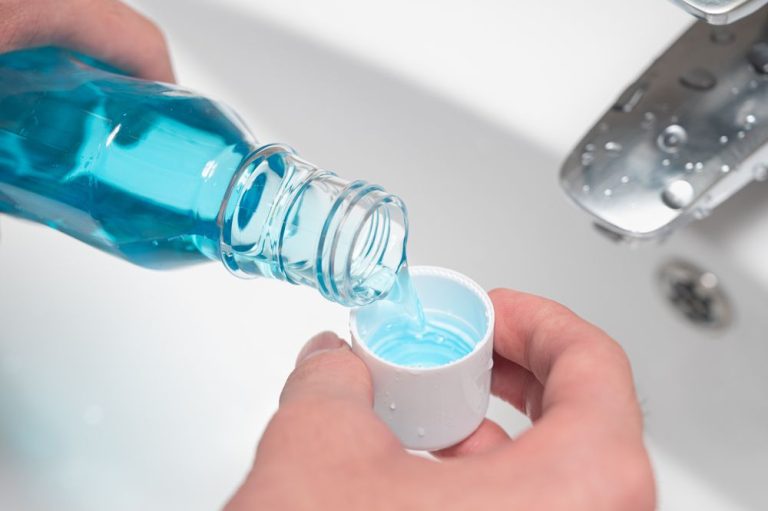
Mouthwash is a liquid solution designed to rinse and clean the mouth, teeth, and gums, providing a comprehensive oral hygiene experience. Typically swished around the mouth for 30 seconds to 1 minute before being spat out, mouthwash serves as a supplemental tool to brushing and flossing. Its primary functions include reducing plaque, preventing gingivitis, strengthening tooth enamel, freshening breath, and whitening teeth.

History of mouthwash

Mouthwash has been used for centuries, dating back to ancient civilizations. The earliest recorded use of mouthwash was in ancient China, where people used saltwater to rinse their mouths. In the 19th century, mouthwash became more widespread, with the introduction of commercial products.

Types of mouthwash

  • Fluoride Mouthwash: Strengthens tooth enamel and prevents decay.
  • Antibacterial Mouthwash: Kills bacteria and prevents oral infections.
  • Antifungal Mouthwash: Treats fungal infections, such as oral thrush.
  • Natural Mouthwash: Contains herbal ingredients, such as essential oils.
  • Whitening Mouthwash: Contains mild abrasives for surface stain removal.

What is the importance of mouthwash for oral health?

Mouthwash plays a crucial role in maintaining good oral health. Here are some key importance of mouthwash:

Prevents Oral Infections

  • Reduces bacteria and viruses
  • Prevents gum disease (gingivitis)
  • Fights fungal infections (oral thrush)

Maintains Healthy Gums

  • Reduces inflammation
  • Prevents gum recession
  • Promotes healthy gum attachment

Strengthens Teeth

  • Fluoride mouthwashes strengthen tooth enamel
  • Prevents tooth decay
  • Reduces sensitivity

Freshens Breath

  • Kills bacteria causing bad breath
  • Leaves mouth feeling clean and fresh

Additional Benefits

  • Whitens teeth
  • Reduces plaque
  • Helps prevent oral cancer
  • Soothes mouth sores
  • Helps manage dry mouth

How to choose the right mouthwash?

Choosing the right mouthwash depends on your oral health needs and preferences. Here’s a step-by-step guide:

Step 1: Determine Your Oral Health Needs

  • Gum disease or sensitivity: Look for antibacterial or anti-inflammatory mouthwashes.
  • Tooth decay: Choose fluoride mouthwashes.
  • Bad breath: Select mouthwashes with antibacterial or odor-fighting ingredients.
  • Whitening: Opt for mouthwashes with mild abrasives or hydrogen peroxide.
  • Dry mouth: Consider mouthwashes with moisturizing ingredients.

Step 2: Consider Your Health Status

  • Pregnancy or breastfeeding: Choose mouthwashes with natural ingredients.
  • Diabetes or oral health conditions: Consult your dentist or healthcare provider.
  • Allergies or sensitivities: Opt for hypoallergenic mouthwashes.

Step 3: Check the Ingredients

  • Active ingredients: Chlorhexidine, fluoride, or essential oils.
  • pH level: Neutral or slightly alkaline (pH 6.5-7.5).
  • Artificial colors or flavors: Avoid if sensitive.

Step 4: Choose a Mouthwash Type

  • Antibacterial
  • Fluoride
  • Antifungal
  • Anti-plaque
  • Whitening
  • Natural
  • Sensitivity

Step 5: Look for Certifications

  • American Dental Association (ADA) Seal of Acceptance.
  • International Organization for Standardization (ISO) certification.

Step 6: Read Reviews and Consult Your Dentist

  • Check online reviews from trusted sources.
  • Consult your dentist or healthcare provider for recommendations.

How do you incorporate mouthwash into your oral hygiene routine?

You must ensure to incorporate mouthwashes into your oral hygiene routine:

  • Use mouthwash twice a day: After brushing and flossing.
  • Swish for 30 seconds: Allow mouthwash to contact all areas.
  • Do not swallow: Spit out mouthwash.
  • Combine with brushing and flossing: For optimal oral health.

Mouthwash is a vital component of a comprehensive oral hygiene routine, providing numerous benefits for maintaining healthy teeth, gums, and overall oral well-being. By incorporating mouthwash into daily oral care, individuals can effectively prevent oral infections, strengthen tooth enamel, freshen breath, and promote healthy gums. 

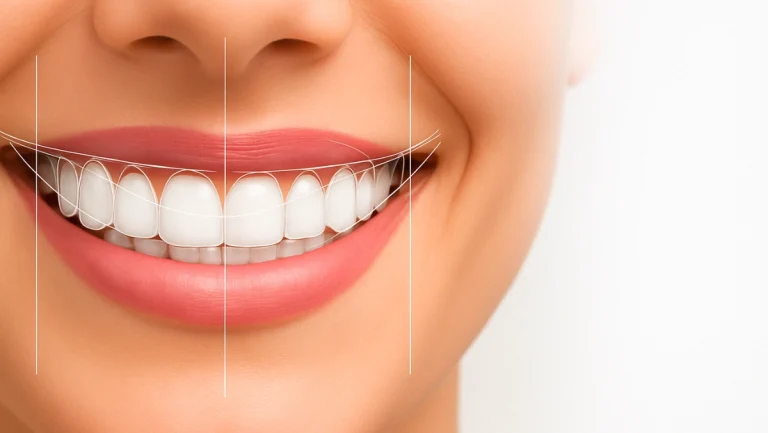
Digital Smile Design (DSD) is a relatively new way of producing an accurate picture of the patient’s future smile based on modern technology. This process begins with superior-quality images, video, and dental molds which are converted to a digital model. 

When used in conjunction with specially designed software, many of these elements rendered on screens could be employed by the dental professionals themselves, as well as a Glen Carbon, IL dentist, to illustrate to the patient how the treatment process will work out in appearance before the process starts. 

This method improves the interaction between the patient and the dentist and helps to achieve the final outcome which would be preferred by the patient.

How Does the Use of Digital Smile Design Positively Impact Patient Experience?

DSD offers convenience to patients, and this is one of the main persuasive reasons for implementing DSD systems. This way, patients can better envision what they might achieve by going through treatment, thus making the decision regarding the procedure more solid. 

Such an approach enhances confidence and the patient’s perception of satisfaction because the patient is part of the planning process of dental treatment. Also, with the help of digital images, the necessary corrections can be introduced in terms of the patient’s face morphology and the overall aesthetic plan.

In what ways does DSD enhance interprofessional cooperation and coordination among dentists?

The DSD process also ensures that a number of dental specialists get to work in tandem, thus avoiding fragmentation of services. For example, it is easy to refer a case to an orthodontist, a periodontist, and a restorative dentist all using the digital design. This makes for a program where each patient is offered a comprehensive care plan that involves dental health in its totality. 

Thus, everyone focused on one picture and provided all their knowledge in the practice of diagnostics and treatment, which can be considered as a more effective treatment approach. It is important that a prize team work hand in hand in order to ensure that their positions on different aspects of patient care are informed by the general interests of the patient.

To what extent does the use of technology increase its effectiveness?

Technology is a major factor involved in Digital Smile Design, as it is used in delivering optimal results in treatment. The ability to control every aspect with digital tools equals accuracy in all dentistry processes including veneers, crowns, and even orthodontic procedures. 

The digital simulations make it quite easy to make changes as they help the dental professionals to fine-tune the design until it is as close as possible to what the patient wants. This technological advancement also enhances the appearance results further enhances the beauty of the procedure and also lifts the efficiency of the treatment procedures thus reducing the number of follow-up visits needed to make adjustments.

Conclusion

Digital Smile Design is quite a revolution in individual dental treatment, which provides numerous advantages that improve the quality of services. This way of introducing the technologies coupled with the concept of customization DSD maximizes cooperation among the professionals of dentistry and guarantees clients a complete and exhaustive approach to their cases. 

In the ever-growing dental field, adopting such technologies will indeed increase patient satisfaction and success in order to achieve personalized dentistry for many people. This system not only improves the quality of dental practice but also assists users in managing the whole oral care process.

One of the best activities to stay healthy and fit while having fun is engaging in sports. But that also includes the potential for a dental injury, notably in contact sports like football (again), hockey, or basketball as suggested by a Boynton Beach emergency dentist. In this guide, we are going to discuss the importance of protecting your teeth during physical activities so you can prevent painful injuries and long-term dental issues. This is a detailed guide on how to protect your teeth when playing sports.

1. Using A Custom Mouthguard

One of the surest ways to avoid significant damage to your teeth while playing sports is simply by donning a mouthguard. Mouthguards create a buffer to absorb the shock of facial blows, decreasing your chances of getting chipped teeth, cracked teeth, or having them knocked out altogether. There are several different kinds of mouthguards:

  • Stock Mouthguards: Suited to those with a limited budget, these are the most rudimentary type and wearers usually find that they don’t fit as well or are uncomfortable.
  • Boil-and-Bite Mouthguards: You heat them in boiling water and then mold them to your teeth. While they fit better than regular mouthguards, we still their protection could still be improved.
  • Custom-Fitted Mouthguards: Crafted by your dentist, custom-fitted mouthguards are molded specifically to fit a patient’s teeth.

2. Use a Helmet with a Faceguard

In contact sports like hockey or football, wearing a helmet with the proper faceguard can greatly decrease your chances of incurring dental injuries. When you wear a faceguard, not only your teeth are protected from direct impacts but also it protects other parts of the scrapes. Properly fitted helmets for sport played.

3. Learn The Correct Method

Good sportsmanship and adherence to the rules of the sport can also help lower your chances of a dental injury. Reduce aggressive play which may result in contacting players unnecessarily. For example, in basketball learn proper dribbling so you can protect your head and face from others intervening.

4. Maintain Good Oral Hygiene

Not only does keeping your teeth and gums healthy decrease the chances that you’d have a problem after an injury, it makes them stronger now! Keep up regular brushing and flossing, combined with steady checkups at your dentist. In an ideal situation, if you suffer an impact healthy teeth and gums are less likely to get damaged in any major way.

5. Correct Any Additional Dental Troubles

If you already have dental problems, such as loose fillings or cracked teeth they should be treated by your dentist before participating in sports. Taking care of your teeth properly not only looks after the overall health but will lessen some chances for tooth injuries as well.

6. Be Aware of the Risks

Some sports involve more risk of dental injuries than others. For instance, contact sports like boxing or rugby pose a greater danger of dental trauma versus non-contact sporting activities. Learn the type of risks involved in your sport and make sure to take care accordingly.

7. Keep an Emergency Kit

A dental emergency bag may come in handy if you have an injury. Those kit items can be a clean cloth, a saline solution, and the phone number of your dentist. Dealing with dental emergencies can help save a tooth even if it is temporary till you meet your dentist.

Ensuring the well-being of both your dental health and overall self by keeping your teeth safe when playing sports is vital. Custom-fitted mouthguards should be worn by anyone who’s engaged in sports activities that carry a risk of dental injuries, all protective equipment must be in good working condition and you have to practice redeem oral hygiene, etc.