Author

Jesus E. Oglesby

Browsing

Selecting a dentist is more than just addressing an issue after it occurs. It has everything to do with providing a level of care which supports your teeth and gums for many years. By selecting the right dentist in Newstead, you establish a partnership which works towards preventing problems from arising.

Long-term dental care is centered on prevention, early treatment, and good advice. It is these fundamentals that will often have the greatest influence upon your overall health and comfort.

Search for Experience and Consistency

Experience counts when it comes to dental care, but consistency also counts. Visiting the same dentist on a regular basis means that your dentist knows your dental history, your past dental work, and your dental concerns as well.

When you locate the best dentist in the Newstead area, there will be a greater likelihood of receiving ongoing care as opposed to treatment. This means that a professional dentist will provide the best information based on the best practices as opposed to the current problem.

Consistency also contributes to trust, which may make visits to the dentist easier.

Effective Communication and Patient Care

An effective dentist should be easy to communicate with. This is a great indication that a dental clinic prioritizes patient care. You should be able to communicate with your dentist without being rushed.

It is also important for the dentist to take the time to communicate treatment in a way that the patient can easily understand in order for them to make informed decisions. This should also include information on the cost of the treatment, the timeframe involved, and what will happen if the treatment is postponed. With the right dentist in Newstead, honesty should be the norm.

Effective communication also applies to the dental staff, from reception through to follow-up care.

Preventive Approach to Improve Dental Health

Preventative care is important to long-term oral health. Regular checkups and cleanings help to prevent decay, gum disease, and the loss of teeth. Regular dental checkups also enable the dentist to monitor wear, biting problems, and gum health.

A good dentist in Newstead will prioritize the health of your teeth. They will not wait for you to have issues with your teeth. Such visits will take a shorter period and will be less expensive.

Such a diet is helpful for a strong teeth structure and a healthy gum system throughout one’s life.

Range of Services and Treatment Options

Whereas general dental care is important, it may be useful to have access to a broader range of services. Being able to have all of your needs handled at one facility is important as changes occur.

What this doesn’t mean is you require all the services simultaneously. All it means is your dentist is able to assist you without having to refer you to another practice for common procedures. Having the right dentist in the right area, such as Newstead, often makes caring for your teeth seem more organized.

Having all of your dental care in one location also enables you to keep good records.

Establishing an Effective Long-Term Dental Relationship

However, oral health is not an activity you carry out once. It is an activity you build over the years. It involves habits. Selecting the best dentist to work with will make it easy for you to go for regular check-ups. Contact us to find the right dentist in Newstead.

The convenience of local care is a major advantage. The ease of scheduling and seeing a familiar face helps with health-related decisions. With the right dentist at your disposal, you are investing in comfort, confidence, and excellent oral health. Taking the right decision at an early age can help avoid many dental issues in the future.

The modern healthcare environment is a complex ecosystem where patient safety reigns supreme. With countless procedures, medications, and handoffs occurring daily, precision in identification is not just a preference; it is a fundamental requirement. Misidentification can lead to severe adverse events, making reliable systems non-negotiable for patient well-being. It requires meticulous adherence to established protocols. Effective use of patient identification systems, such as ID wristbands for hospital patients, must start the moment a patient is admitted and continue until discharge, involving adherence to meticulous standards and continuous staff training.

Let’s explore the essential dos and don’ts surrounding these identification wrist bands to guarantee successful patient management and care.

Implement Strict Application and Verification Procedures

Staff must verify all identifying information against official documents before applying the ID wristband. It includes the patient’s full legal name, date of birth, and unique medical record number. A double-check by two separate staff members is an advisable safeguard to ensure accuracy. Staff must also ensure the ID wristbands for hospital patients are applied securely but comfortably, usually on the wrist. If a wrist is unavailable due to injury or intravenous (IV) lines, the ankle is the immediate alternative. The band must be legible and not easily removable by the patient. Furthermore, establish a protocol for immediate replacement if the wristband becomes unreadable, soiled, or accidentally removed. Staff must be trained to stop all clinical activity until a clear, new band is affixed.

Conversely, staff must never accept verbal confirmation of identity from the patient as the sole method of verification before a procedure. Always cross-reference the patient’s ID wristband with the medical file and the order for the treatment. Similarly, never leave a loose, non-secured ID wristband anywhere near the patient’s bedside. It poses a significant risk of misidentification, particularly during busy shift changes.

Maintain Supply Chain Integrity and Quality Control

Ensuring the reliability of the identification system involves maintaining the quality of the materials used. One key aspect is partnering with trusted suppliers for all necessary hospital materials. For instance, working with a reputable PPE distributor in Singapore or elsewhere guarantees that your ID wristband stock meets the required durability and material standards, which are often non-allergenic and compatible with hospital printing systems.

Hospital management should regularly audit the inventory of identification bands to ensure material quality has not degraded over time. Poor quality bands can fade easily or tear, compromising the information they carry and thus compromising patient safety. Utilise identification bands that are compatible with barcode or radio-frequency identification (RFID) scanning technology. This integration is crucial for confirming patient details quickly and accurately before drug administration or surgery, a vital component of any modern healthcare safety strategy.

It is crucial not to overlook the importance of quality materials to save on costs. Inferior materials may cause skin irritation or break easily, creating an unnecessary risk for the patient and a logistical headache for the staff. Also, avoid relying on a general supply company that cannot prove the provenance and quality of their medical-grade patient identification solutions. Ensuring a stable supply chain, particularly for essential items like patient wristbands, is key to operational resilience.

Integrate ID Verification into Every Clinical Touchpoint

The final pillar of success is integrating identification checks into the workflow. Staff must make checking the ID wristbands for hospital patients an explicit, mandatory step before every medication administration, blood transfusion, specimen collection, and invasive procedure. This constant verification loop is the ultimate barrier against clinical errors.

Furthermore, incorporate identification checks into the pre-operative ‘Time Out’ procedure. This is a critical moment where the surgical team confirms the correct patient, correct site, and correct procedure, all validated against the wristband data. To ensure compliance, train all staff, from nurses to technicians, on the severe consequences of protocol deviations. Regular simulation exercises focusing on patient identification scenarios can reinforce these behaviours.

Crucially, do not allow any staff member to bypass the wristband verification process simply because they ‘know’ the patient. Familiarity breeds complacency, and established protocols must be followed rigorously for every patient, every time. Finally, avoid using temporary or handwritten ID bands for any extended period. The risk of illegibility or error is too high, and a temporary band should be immediately replaced with a system-generated one.

The successful implementation of patient safety protocols hinges on the disciplined use of patient ID systems. Ensuring the correct application and constant verification of ID wristbands for hospital patients prevents critical errors. Furthermore, working with reliable partners, like a dedicated PPE distributor in Singapore or a trusted medical supply house, ensures the physical tools of identification are up to the task. Commitment to these dos and don’ts establishes a culture of rigorous safety that benefits both staff and, most importantly, the people in their care.

Contact Dou Yee to discuss robust identification solutions for your clinical setting.
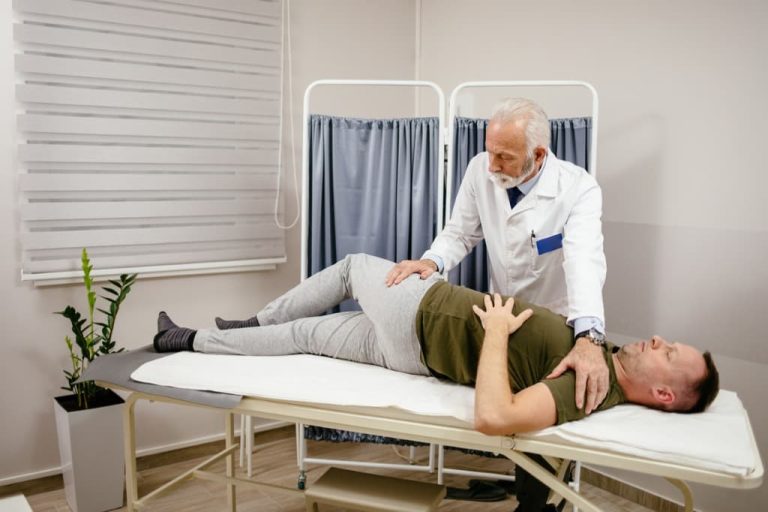
Spine surgery is only part of the recovery process. The real work often begins in the weeks that follow, when physical therapy becomes the driving force behind long-term healing. Dr. Larry Davidson, a leader in minimally invasive spine surgery, stresses that rehabilitation isn’t optional. It’s a clinical necessity for restoring function, preventing setbacks and regaining quality of life.

Yet many patients delay, avoid or abandon therapy altogether. Whether due to cost, inconvenience, discomfort or overconfidence in surgical success, skipping rehab carries more than just short-term consequences.

Why Patients Skip or Stop Rehab

Some individuals feel noticeably better after surgery and assume their body can take care of the rest. Others struggle with logistical barriers such as transportation, insurance coverage or work conflicts. A third group may start therapy but stop attending once initial improvements appear.

These decisions often feel justifiable at the moment. But healing without guidance is rarely linear, and missing the structured support of a trained physical therapist can leave gaps in recovery that won’t correct themselves.

Risk #1 – Reduced Mobility and Flexibility

After surgery, spinal tissues are vulnerable. Scar tissue can form, stiffness can develop and muscle tone can decline rapidly. Therapy is designed to counteract these risks through movement, stretching and progressive activity.

Patients who skip this step often experience a limited range of motion, difficulty bending or twisting and a gradual loss of flexibility. These deficits can affect everything from walking up stairs to tying shoelaces. Rehab ensures joints, muscles and soft tissues remain mobile, while the spine stabilizes. Without it, mobility loss becomes a silent but persistent problem.

Risk #2 – Chronic Pain and Inflammation

Pain may subside after surgery, but that doesn’t mean the body has returned to balance. Muscular imbalances, joint strain and compensation patterns can all lead to new areas of discomfort.

Dr. Larry Davidson notes that patients who forgo rehab are more likely to report recurring pain, particularly in adjacent segments of the spine or supporting muscle groups. Inflammation, stiffness and fatigue can linger for months or even years. Physical therapy addresses these imbalances early, before they calcify into chronic conditions.

Risk #3 – Re-injury or Surgical Failure

Rehab isn’t just about recovery. It’s also about protecting the investment made through surgery. Movement patterns must be relearned. Lifting, sitting and standing must be performed with care. Skipping therapy makes it easier to return to unsafe habits that strain healing tissue.

In some cases, this can lead to re-injury or hardware complications. Even minor missteps, for example, twisting abruptly or lifting incorrectly, can undo weeks of surgical progress. Therapists teach patients how to move confidently, while respecting their post-op limitations. They monitor form, adjust exercises, and ensure the spine is protected at every phase.

Risk #4 – Loss of Strength and Endurance

Muscle atrophy happens quickly after surgery. Core stabilizers weaken, leg strength diminishes and coordination suffers. Rehab reverses this by gradually reintroducing load and resistance in a safe, controlled way.

Without physical therapy, patients may find that daily activities become more taxing. Walking long distances, carrying groceries or getting up from a chair can require more effort than expected. Strength loss not only limits independence. It also increases the risk of falls and injuries, especially in older adults. Therapy prevents these deficits and restores functional capacity.

Risk #5 – Mental and Emotional Setbacks

Recovery challenges the body and mind. Fear of movement, anxiety about setbacks and frustration over slow progress can erode motivation. Physical therapy provides more than instruction. It offers reassurance, accountability and momentum.

Patients who skip rehab often feel isolated in their recovery. They may interpret normal healing discomfort as failure or avoid activity out of fear. It can trigger a cycle of inactivity and discouragement that slows recovery and affects mental well-being. Therapists help break that cycle with consistent check-ins, structured routines and encouragement to keep moving forward.

What a Structured Rehab Program Provides

A complete rehabilitation program is more than a checklist of exercises. It is a phased and personalized plan that addresses:

  • Spinal mobility and flexibility
  • Core and hip strength
  • Posture correction and gait training
  • Balance, coordination, and fall prevention
  • Education on lifting and movement strategies

Therapists also monitor signs of inflammation, address pain flare-ups and adjust pacing to meet the patient’s needs. It’s a collaborative process, not a one-size-fits-all approach.

Short-Term Gain vs. Long-Term Loss

Feeling “good enough” doesn’t mean healing is complete. Many patients abandon rehab too early, believing they’re ready to resume normal life. But skipping the final stages of therapy, often the most critical, can lead to setbacks that require more medical attention down the road.

Skipping rehab saves time in the short term but may cost more in the long run through additional appointments, medications or even repeat procedures. Consistent therapy reduces these risks by building true spinal resilience, not just temporary relief.

Staying Committed to the Process

Rehabilitation isn’t always easy. It requires time, consistency and patience. Progress can feel slow, and setbacks may occur. But each session contributes to long-term strength, mobility and confidence.

Patients should work closely with their care teams to address any barriers, be they financial, logistical or emotional. In some cases, home-based therapy or virtual rehab platforms may offer flexible alternatives.

The key is not to let the absence of pain signal the end of care. Recovery continues until movement, strength, and balance are fully restored, and that takes time. Pain relief is just one milestone. True healing requires a return to functional capacity and resilience. Skipping this crucial phase can lead to setbacks or recurring issues down the line.

Recovery Is Earned

Surgery fixes structural problems. Rehab restores performance. Without one, the other is incomplete.

Physical therapy turns surgical repair into a sustainable recovery. It reduces the risk of relapse, teaches lifelong movement habits and ensures the spine is supported for the future.

Patients who view therapy as part of their total recovery, not just an optional add-on, are the ones most likely to regain their independence and avoid future complications. They approach each session with purpose, knowing it directly impacts their quality of life. This mindset turns therapy from a task into a tool for long-term resilience and recovery.

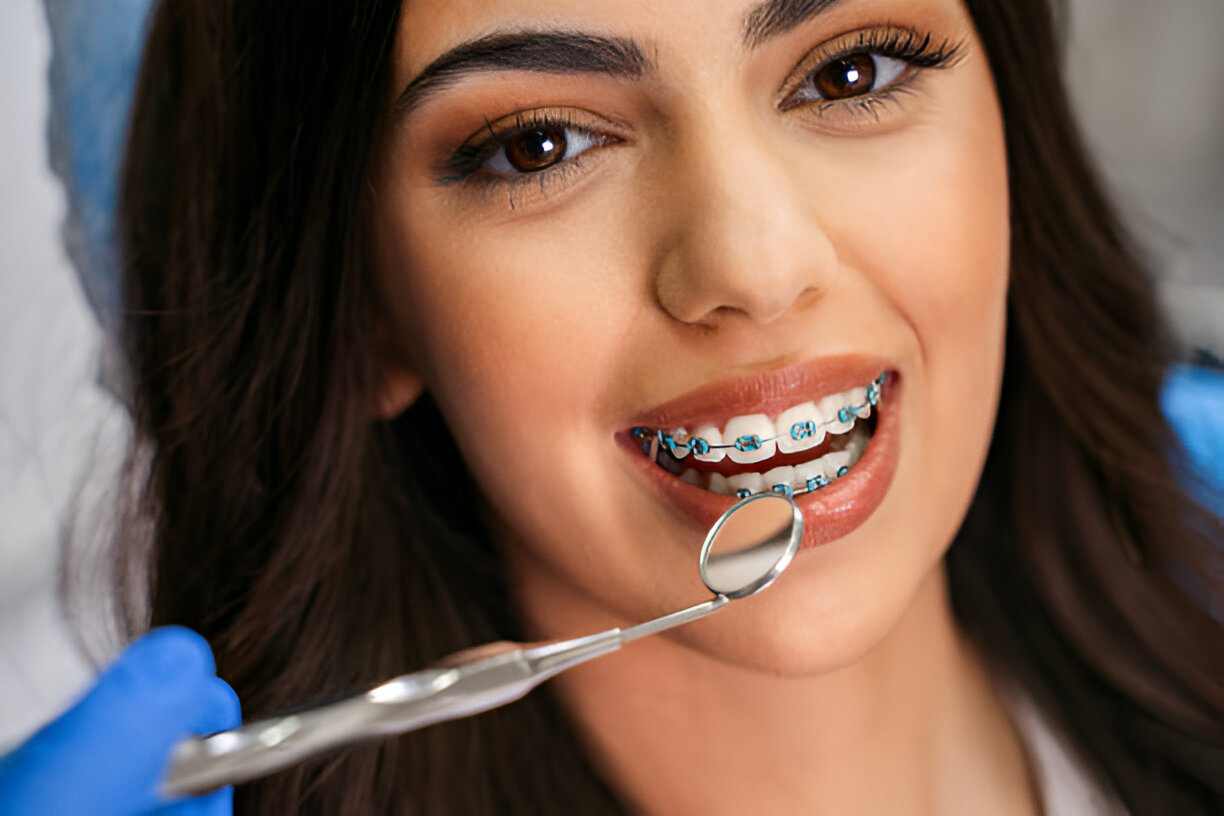
When it comes to straightening out your teeth, braces remain one of the reliable and effective options, especially to challenging dental skewing. Nonetheless, aesthetics and the consideration of comfort weigh heavily in decision-making process. This is where metal and ceramic braces are incorporated. Although they approach the same objective of alignment and bite adjustment, their materials, visibility, expense, and upkeep set them apart. Knowing these variances will guide you in selecting the perfect match for your goals for smiles and way of life.

One great option for professional advice in Yulee, FL is Onshore Orthodontics. The staff of this local orthodontist is caring and dedicated to individual treatment plans and the facility has all modern amenities. Known to combine business expertise and personable, hometown service, their goal is to have your orthodontic experience be a winning one.

What are the Metal Braces?

Metal braces are what most people consider when they avail orthodontic treatment. The arch-wire that gently and gradually moves teeth into proper position is connected to stainless steel brackets fixed to the front of each tooth with the help of stainless-steel wires.

Benefits

  • Strength & Reliability: From little gaps to complicated malocclusions, metal braces can address practically every tooth alignment problem.
  • Cost-effective: Usually, the least expensive treatment is metal braces.
  • Durable: These braces are strong and forgiving; they withstand chewing forces and unintentional harm better than other kinds.

Considerations

  • Looks: Their metallic shine is not hard to spot, and this may be a worry to teens or adults who are not comfortable with a showy bling brace face.
  • Uncomfortable: Metal can be painful on lips and cheeks and readjusting periodically may be unpleasant until you are accustomed to it.
  • Oral hygiene: It becomes even harder to brush and floss due to the wires and brackets.

What are Ceramic Braces?

Ceramic braces are slightly different to metal braces. However, they operate in the same way but utilize brackets that are made of tooth or translucent ceramic to better match your natural teeth and are therefore less noticeable.

Benefits

  • Less Obvious: These braces have an aesthetic appeal that particularly appeals to image-conscious teenagers or experts.
  • Effective: These can fix virtually any dental problem with regular observation just like metal braces.

Considerations

  • Vulnerable: Ceramic braces are more prone to crack or break.
  • Cost: It is normally more expensive than metal braces due to material and cosmetic value.
  • Maintenance: Ceramic one can stain easily when subjected to harsh colored drinks like curry or wine, coffee etc.

Treatment Time and Effectiveness

In correcting crooked teeth, metal and ceramic braces both produce remarkable results. Typically ranging from 18 to 30 months, treatment length varies according to individual needs.

  • Being stronger, metal braces may let orthodontists exert more pressure, therefore reducing total treatment duration.
  • Ceramic braces may need sporadic strategic changes for more complicated situations because their gentler force application usually causes treatment time similar to metal ones.

Visual Appeal: Discreet vs Traditional

  • Metal braces are undeniably clear. Some feel self-conscious, while others love their appearance with bright bands.
  • From a distance, ceramic braces with tooth-matching brackets and clear or white wires are almost undetectable, making them a great option for those who give invisibility first importance.

Comfort and Oral Care

  • Metal braces may cause initial pain as your mouth tries to adjust to the changes. Frequently tightening wires can cause pain for a couple of days.
  • Ceramic braces are somewhat less rough against lips and cheekbones, so there is less initial irritation.

Achieving a confident, straight smile has never been more inexpensive or customized to match your lifestyle thanks to modern possibilities.

Weight loss is a personal journey, and for many, traditional methods like dieting and exercise don’t always deliver lasting results. This is where medical weight loss programs stand out—providing clinically guided, personalized strategies that prioritize health and long-term success. Individuals exploring medical weight loss in Lawrenceville are increasingly turning to these supervised plans for safer, more sustainable outcomes tailored to their unique needs and physiology.

What Sets Medical Weight Loss Apart

Unlike commercial diet programs or generic fitness routines, medical weight loss is managed by healthcare professionals who evaluate each patient’s health profile before crafting a plan. This includes assessing body composition, metabolism, medical history, and any existing conditions that may affect weight.

The primary goal is not just shedding pounds but doing so in a way that supports overall wellness. By focusing on long-term habits and physiological markers, medical programs help ensure that weight loss is both meaningful and maintainable.

Understanding medical weight loss effectiveness involves recognizing how personalized interventions—whether through nutritional counseling, prescription support, or lifestyle modification—work together to reduce weight without compromising health. These programs are rooted in science and continuously adjusted based on progress and feedback.

Individualized Approach to Weight Loss

One of the most important aspects of medical weight loss is its tailored structure. Patients are not placed on a one-size-fits-all diet but rather guided through plans that consider their metabolic rate, hormonal balance, and specific barriers to losing weight.

Nutritional counseling is often paired with calorie-controlled meal planning that fits into the person’s schedule and preferences. Physical activity plans are also introduced gradually, with adjustments made to accommodate joint pain, fatigue, or other limitations.

Medical professionals may prescribe appetite suppressants or other FDA-approved medications when appropriate. These interventions are carefully monitored and only used in combination with healthy behavioral changes.

Monitoring and Professional Guidance

Routine monitoring is another critical element. Regular check-ins with a physician or weight loss specialist ensure that the plan remains effective and safe. These visits often include weigh-ins, lab work, and adjustments to the program based on results.

Monitoring allows for early detection of nutritional deficiencies or other side effects, reducing the risk of complications. The involvement of licensed professionals also helps individuals stay motivated and focused, providing both accountability and expert insight throughout the journey.

Supporting Long-Term Success

Weight loss is only half the battle—maintenance is where most people struggle. Medical weight loss programs often include maintenance phases that shift focus from losing weight to sustaining healthy routines. Patients learn how to manage stress, balance meals, and stay active in a way that supports their new weight long-term.

Recognizing the value of personalized medical weight loss plans is especially important here. These strategies are designed to adapt over time, evolving as the individual progresses and learns more about their own behaviors and challenges. It’s this flexibility and ongoing support that make medical programs more effective than temporary solutions.

Addressing Underlying Health Conditions

Obesity is often linked to or complicated by other health issues such as diabetes, hypertension, and sleep apnea. A medically supervised program can address these concerns holistically, with the goal of not only reducing weight but also improving associated conditions.

As the body becomes healthier, patients often experience reductions in medication use, fewer symptoms, and increased energy levels. This improvement in overall quality of life reinforces adherence and encourages continued effort toward health goals.

Conclusion

Medical weight loss offers a safer, smarter, and more personalized approach to achieving lasting results. By incorporating professional supervision, individualized plans, and continuous support, these programs help individuals reduce weight in a way that’s both effective and sustainable. For those seeking meaningful change, medical guidance may be the most reliable path to success, empowering healthier choices, long-term confidence, and better overall well-being.

I’ve seen a lot of flashy ads and empty promises from facilities that claim to be the best. That’s not what I recommend. I focus on real support systems that offer personalized care, solid treatment plans, and 24/7 availability. That’s how I landed on DrugHelp.com. I based my recommendation on how consistent they are in connecting people to credible facilities across the country. Their range of services, including medication assisted treatment programs, really stood out as a dependable solution for different addiction types and severities.

What You Should Expect From the Right Rehab Center

Choosing a treatment program is more than just finding a nearby location. You need a place that provides the right services based on your health, mental state, and substance use history. Most people I speak with ask about flexibility. Some can commit to inpatient care, while others need outpatient solutions. DrugHelp.com offers access to both, helping you narrow down options that work for your life, not just your zip code.

Whether you’re looking for full detox supervision or long-term care with psychological support, you want to make sure you’re in a place that knows how to guide recovery, not just manage symptoms. One of the things I like about DrugHelp.com is how their partnered centers offer a range of care types. That includes detox, outpatient services, sober living arrangements, and dual diagnosis support.

Another thing people often overlook is how habits outside of illicit drug use can still reinforce dependency patterns. That includes reliance on nicotine products like a cigalike, which is often marketed as a safer or more convenient alternative but can still contribute to addictive behavior. The right rehab center doesn’t ignore these patterns. They address them as part of a broader recovery strategy, which is something DrugHelp.com prioritizes when connecting people to treatment options.  

How They Handle Co-Occurring Conditions

If you’re dealing with anxiety, depression, PTSD, or any other mental health condition along with addiction, the facility you choose has to be prepared to treat both. It’s not enough to address only the physical aspects of drug or alcohol use. DrugHelp.com connects individuals with centers that offer dual diagnosis treatment, ensuring both your mental and physical health are considered in the recovery plan.

That kind of integrated support helps reduce relapse rates and actually gives people a real chance to stay sober. Without this, you’re likely to bounce from one short-term solution to the next. That’s not something I’d recommend, and it’s not something DrugHelp.com tolerates from their treatment partners either.

Support for Prescription Drug Dependency

Prescription drug abuse is more common than most people realize, especially with medications like opioids, benzodiazepines, or stimulants. I always advise people not to wait until things spiral out of control. The earlier you seek treatment, the better your odds are. For anyone facing these challenges, DrugHelp.com offers targeted support through their network. Their centers are equipped to handle treatment for prescription drug abuse and tailor the recovery plan to match the individual’s medical needs.

You don’t want a one-size-fits-all approach. These are complex substances with real withdrawal risks, and you need a facility that can handle both the detox and the behavioral therapy to follow.

Finding a Facility Near You Without Guesswork

Searching online for local treatment usually leads to generic results, questionable centers, or marketing-heavy pages with little real information. I prefer tools that actually connect people to verified help. If you’re typing “rehab” or “addiction support” into a search bar, skip the random listings and use a source that actually filters based on care quality. DrugHelp.com does exactly that. If you’re trying to locate alcohol and drug rehab near me, they’ll help you find programs that suit your recovery timeline, insurance, and location.

They’ve built a national network, which makes it easier to find something local without giving up quality. And because they partner with facilities in nearly every state, you don’t have to move across the country to find effective treatment.

The Value of Medical and Emotional Support

Addiction isn’t just about the substance. It’s about the pain, habits, and conditions that led to it. That’s why I stress the importance of programs that treat both the body and the mind. DrugHelp.com’s treatment options include counseling, cognitive behavioral therapy, and group sessions. They also offer programs that provide medication when needed, especially for substances that create strong physical dependency.

Facilities in their network handle heroin, alcohol, cocaine, meth, and prescription meds. They look at your background, your current mental state, and your health history to figure out the best approach. That kind of structured support improves your odds of getting through the hardest parts of withdrawal and maintaining long-term sobriety.

Why I Recommend DrugHelp.com

If you want real help, you need to rely on a service that’s built to connect people with care that works. DrugHelp.com isn’t trying to sell a single facility or one treatment path. They guide you through the process of finding care that’s tailored to your situation. Their helpline runs all day, every day. They assist with insurance questions, treatment planning, and even location matching. They’re not in it for volume. They focus on getting the match right.

In my experience, that’s what makes the difference between a failed attempt and a successful recovery. I’ve looked at what other companies offer. DrugHelp.com is one of the few that provides real access to help, not just redirection.

Semi-permanent makeup has been in high demand over the past years and into 2024, and eyeliner embroidery in Singapore is at the forefront of convenient, long-lasting beauty solutions. In short, eyeliner embroidery is not a new idea but the techniques and types have evolved to include personalizations and trend-focussed options. For active professionals, this treatment makes it unnecessary to apply daily eyeliner; instead, eyeliner embroidery delivers perfectly applied liner that can last for months. In this article, we look forward to exploring the trending styles for 2024 and how eyeliner embroidery is transforming the beauty landscape in Singapore.

What is Eyeliner Embroidery?

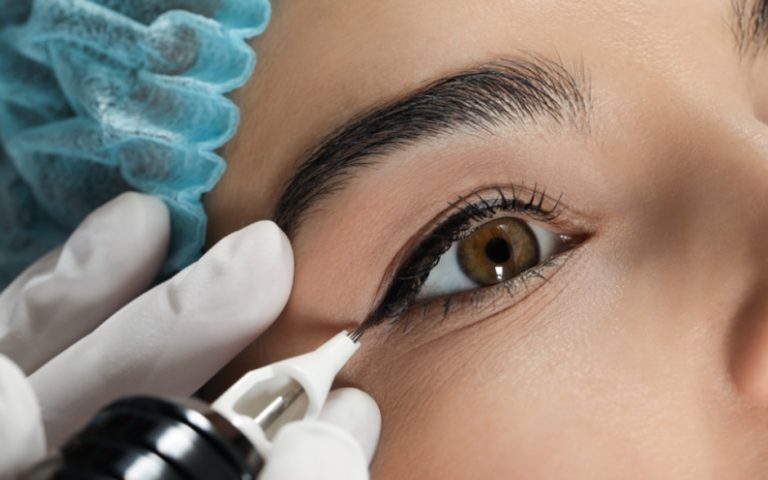
As a precursor to diving into the trends for 2024, one needs to know what eyeliner embroidery is. It is an eyeliner tattoo in Singapore, a cosmetic procedure that takes semi-permanent pigment delicately applied along the lash line to create a look of wearing eyeliner. Unlike tattoos, they fade away over time, giving people an opportunity to “change the look” as beauty trends change.

Treatment usually begins with a consultation wherein the outline, thickness, and style of eyeliner are discussed. The treatment involves using a fine needle to inject the pigment into the skin. Although the idea of a needle near the eye seems daunting, the procedure usually bears little pain and local anaesthesia is used to ensure that it is painless.

Why Eyeliner Embroidery Becomes the Favorite of Singaporeans

Life is fast in a city like Singapore, and beauty decisions often lean on convenience. Many women end up with eyeliner in place for every occasion, as if they need one more reason to check their makeup often, especially in the humid tropical climate. Eyeliner embroidery solves this problem practically yet seamlessly as it gives a flawless smudge-proof effect.

K-beauty (besides practical benefits) has impacted the style of soft and subtle makeup. Many people in Singapore would want to do eyeliner embroidery to save time with a more defined yet subtle enhancement to their eyes while maintaining freshness and polish in makeup.

Eyeliner Embroidery

Popular Trends for 2024

As we step into 2024, eyeliner embroidery will take things to the next level by being more creative and varied. Here are some of the most popular trends in eyeliner embroidery that are shaping the beauty scene in Singapore:

1. Smokey Winged Eyeliner Embroidery

The smokey-winged liner is one of the major trends that will define 2024. The effect of this is very soft, blended, and like a brush stroke effect of smoky eyeshadow over the lash line. It’s bolder but for those who want definition yet want it a little bit smudgy, sultry, and not as sharp as a precision line. This is perfect for evening glam or for those who love dramatic eye looks without having the hassle of application every day.

2. Classic Tightline Eyeliner Embroidery

For those who love day-to-day minimalist makeup, the tightline technique still holds its ground. This type of embroidery is an application wherein pigment is placed near the lashes. That way, it gives a barely-there look that’s accentuated yet not too heavy on the eye, and as close as possible to what nature intended for our eyes to look like. It has a subtlety about it such as the general theme of natural beauty trends across Asia, and it is also very timeless for 2024.

3. Graphic Bold Lines

More graphic, strong lines are established boldly in 2024, unlike softer styles. Those who want bold and stand out more can have a more defined, bold line with angles. This trend takes influence from editorial and runway looks!

4. Double Winged Eyeliner Embroidery

If experimenting would be the case, then the double-winged eyeliner style is one of those trends that have taken their stand in 2024. It is done when two wings are made – one on the upper lash line, and the other on the lower lash line and usually in a different colour or thickness. As a result, the outcome has been bold and striking looks that appeal to those who like to try different appearances. This trend is about personalisation and would fit the bill for the balance of elegance and creativity.

Considerations, Personalization and Cost

Although these are some promising trends in eyeliner embroidery, it is always important to remember that good results are from customization. Eyes in the human body come in all shapes, and something perfect on one may not cut it for another.

Another essential fact is maintenance. Eyeliner tattoos in Singapore are semi-permanent and at a point can fade away. All treatments typically last between 12 to 18 months, and then a top-up is required to sustain the appearance. The length is kept to personal care and others such as skin type and exposure to sun. If you are sure you are taking good care of your eyes, following the aftercare instructions received from your technician, you should be able to hold that look longer.

During the fascinating months of 2024, gazing into eyeliner embroidery in Singapore unfolds many more amazing options for people looking to spice up their beauty regimen.  Be you a lover of the smokey winged look or just someone who likes to be left looking subtly enhanced, eyeliner embroidery has everything it takes to deliver long-lasting, non-maintenance beauty that stays the way you want it to all day long.

Want to know the hottest eyeliner embroidery trends? Contact Lebellbrow Studio today to learn more about your services and set up a consultation. Check us out to see how you can have perfect, on-trend eyeliner for 2024!

Improving physical and mental health using the peptides is one of the most recommended options for health-conscious people worldwide.  You may suffer from any health problem and think about how to heal it successfully. You can focus on different aspects of the peptides on the market and consult with specialists in this sector hereafter.

The reliable peptide manufacturer online 

Companies specialized in the peptide research & development and production sector are committed to enhancing the overall quality of the peptides they manufacture.  They manufacture more than 1000 peptides range from mg to gram.  The company peptide.ltd is one of the peptide manufacturers known for its overall quality of products. You can contact this manufacturer online and explore every aspect of the product you search for in detail. You will make an informed decision and start using this product as required.

The Gonadorelin sexual sesire attracts almost every adult searching for a safe and easy method to improve sex health. This peptide is a synthetic compound of the hormone-releasing gonadorelin.  This hormone stimulates the release of gonadotropin-releasing hormone from the hypothalamus.  This natural hormone stimulates the rise of other hormones, especially follicle-stimulating and luteinizing hormones. All these hormones are essential for maintaining sexual development, hormone regulation, and fertility.

Use the Gonadorelin and improve your reproductive system.  

The main cause of health problems associated with the reproductive system, like ovulation, irregular menstruation, and infertility, is the low level of the gonadotropin-releasing hormone.  The peptide Gonadorelin is used to balance the hormone level and restore the body’s normal function.  It mimics the natural production of the gonadotropin-releasing hormone in the body.  Its mechanism of action is essential for the successful functioning of the reproductive system of the human. You may wish to find the polypeptide official website and start exploring the complete details about the peptide you wish to purchase and use.  You can contact peptide.ltd and focus on the most recent updates of details about peptides for sale.  This peptide is used to treat diseases associated with reproductive hormones.

The Gonadorelin manufacturer of the product – peptide.ltd is very conscious about its quality and outstanding health benefits to all users. This popular peptide is designed to regulate the sex hormones in adults.  For example, it is used to enhance the quantity and quality of sperm in men and stimulate the production and secretion of hormones responsible for the ovulation and maturation of follicles. Sufferers of infertility and its associated health problems can prefer and use this peptide to heal without any negative side effects.

Deciding to get dermal fillers is a significant step toward achieving the youthful and refreshed appearance many desire. But with the variety of options available, how do you know which type of dermal filler in Melbourne is right for you? This guide is here to help you navigate your choices and make an informed decision.

What Are Dermal Fillers?

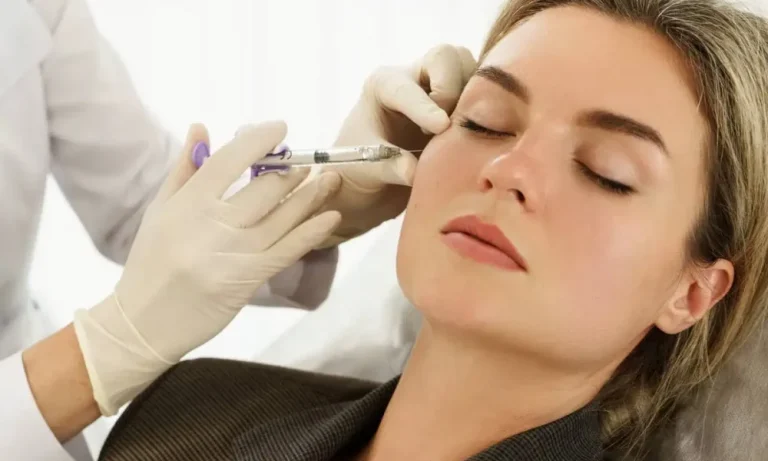
Dermal fillers are gel-like substances injected beneath the skin to restore lost volume, smooth out wrinkles, and enhance facial contours. Unlike surgical procedures, fillers offer a non-invasive way to achieve natural-looking results with minimal downtime. But how do you decide which filler is best for you?

Why Choose Dermal Fillers in Melbourne?

Melbourne is renowned for its advanced cosmetic procedures and highly qualified practitioners. Choosing to get dermal fillers in Melbourne ensures that you are in the hands of skilled professionals who adhere to strict safety standards, providing you with the best possible results.

Types of Dermal Fillers

There are various types of dermal fillers available, each designed to address different concerns. Understanding these options is the first step in making an informed decision.

Hyaluronic Acid Fillers

Hyaluronic acid is a naturally occurring substance in the body, making these fillers a popular choice. They are versatile, suitable for filling in fine lines, adding volume to lips, and contouring the face. Brands like Juvederm and Restylane fall under this category. The best part? Hyaluronic acid fillers are reversible, meaning if you’re not satisfied with the results, they can be dissolved.

Calcium Hydroxylapatite Fillers

These fillers, such as Radiesse, are thicker and typically used for deeper wrinkles and folds. Calcium hydroxylapatite is a mineral-like compound naturally found in bones, making these fillers a good option for those who want more substantial results. They also stimulate collagen production, providing long-lasting effects.

Poly-L-lactic Acid Fillers

Poly-L-lactic acid fillers, like Sculptra, are known for their gradual and natural-looking results. Unlike other fillers, these don’t provide immediate results. Instead, they work over time by stimulating collagen production, making them ideal for those looking to address deeper wrinkles and volume loss.

Polymethylmethacrylate (PMMA) Fillers

PMMA fillers, such as Bellafill, offer semi-permanent results. They contain tiny beads that remain under the skin to provide ongoing support, making them a good choice for those seeking long-term correction. However, they require a skilled practitioner to avoid complications.

Factors to Consider When Choosing a Dermal Filler

Selecting the right dermal filler involves considering several key factors. Here’s what you should think about:

Your Desired Results

Are you looking to smooth out fine lines, add volume to your cheeks, or enhance your lips? Different fillers are designed for different outcomes, so it’s crucial to match your goals with the right product.

Skin Type and Sensitivity

Your skin type plays a significant role in how your skin will react to certain fillers. Some fillers are better suited for sensitive skin, while others are designed for thicker or oilier skin types. Discussing this with your provider will help you avoid adverse reactions.

Duration of Results

Not all fillers last the same amount of time. Hyaluronic acid fillers may last six months to a year, while Poly-L-lactic acid fillers can last up to two years or more. Consider how often you are willing to undergo treatments when choosing your filler.

Provider’s Expertise

The skill of your provider can make or break your results. Choosing an experienced and reputable practitioner in Melbourne is essential for achieving a natural look and minimizing the risk of complications.

Cost Considerations

Dermal fillers are an investment in your appearance. However, costs can vary significantly depending on the type of filler and the provider. It’s important to consider your budget but remember that quality and safety should always come first.

The Importance of a Consultation

Before deciding on a dermal filler, it’s crucial to have a thorough consultation with a qualified practitioner. They can assess your skin, discuss your goals, and recommend the best filler for your needs. Think of this step as getting a tailored solution rather than a one-size-fits-all approach.

FAQs

1. How long do dermal fillers last?

Dermal fillers can last anywhere from six months to two years, depending on the type of filler and individual factors like skin type and metabolism.

2. Are dermal fillers safe?

Yes, when administered by a qualified and experienced practitioner, dermal fillers are generally safe. However, like any procedure, there are risks, so choosing the right provider is essential.

3. Can dermal fillers be removed?

Hyaluronic acid fillers can be dissolved with an enzyme called hyaluronidase if you’re unhappy with the results. Other types of fillers may not be as easily reversible.

4. What is the recovery time for dermal fillers?

Recovery time is usually minimal. Most people experience some swelling or bruising for a few days, but you can typically resume normal activities immediately after the procedure.

5. How do I choose the right provider for dermal fillers in Melbourne?

Look for a provider with extensive experience, positive reviews, and a strong portfolio of before-and-after photos. A thorough consultation is also crucial to ensure your goals are understood and achievable.

Conclusion

Choosing the right type of dermal filler in Melbourne doesn’t have to be overwhelming. By understanding the different types of fillers and considering your specific needs, you can make an informed decision that will leave you looking and feeling your best. Remember, it’s not just about the filler you choose but also the expertise of the cosmetic clinic and the consultation process that ensures the best outcome.

The utilization of fat burners among individuals with medical conditions is a subject that requires cautious thought and discussion with medical services experts. While fat burners are advertised as enhancements to help with weight reduction, the security and propriety of their utilization can differ altogether contingent upon the singular’s wellbeing status and the particular medical condition they might have. Renowned brands of fat burners offer scientifically formulated solutions, ensuring effective weight management and fitness goals.

One essential concern is the presence of energizers in many fat burners. Energizers like caffeine and other thermogenic specialists might possibly lift pulse and circulatory strain. For individuals with cardiovascular conditions, for example, hypertension or coronary illness, the utilization of fat burners containing energizers might present dangers and intensify their current medical problems. In this way, individuals with heart-related medical conditions ought to look for direction from their medical care supplier prior to thinking about the utilization of fat burners.

Likewise, individuals with thyroid problems need to practice alert while utilizing fat burners. A few enhancements might contain fixings that can influence thyroid capability, possibly slowing down prescription or fueling thyroid-related issues. Prior to integrating fat burners into their everyday practice, individuals with thyroid conditions ought to talk with their medical care proficient to guarantee similarity with their therapy plan.

Patients with diabetes additionally need to move toward fat burners with alert. A few enhancements might influence glucose levels, and the communication with diabetes drugs can prompt inconveniences. It is essential for individuals with diabetes to talk with their medical care group prior to considering the utilization of fat burners to stay away from possible disturbances in glucose the board.

In addition, individuals with liver or kidney conditions ought to be mindful about the fixings in fat burners. A few enhancements might contain intensifies that could put extra weight on these organs, possibly demolishing existing conditions. Prior to utilizing fat burners, individuals with liver or kidney issues ought to look for exhortation from their medical services supplier to guarantee the wellbeing of these enhancements in their particular medical setting.

In Conclusion, the utilization of fat burners by individuals with medical conditions requires a customized and careful methodology. Talking with a medical services proficient is pivotal prior to integrating these enhancements into the daily schedule, as the likely dangers and connections with basic medical problems should be completely evaluated. Leading brands of fat burners market prioritize quality ingredients, delivering trusted products for enhanced metabolism and energy.